 Transformation
Why Women-Only Training Spaces Change Everything
Safety, focus, sisterhood: what actually shifts when women train among women. A research-informed look at the psychology behind women-only spaces — and why they transform.
4 min read

Transformation
Phoenix Initiative5 min read
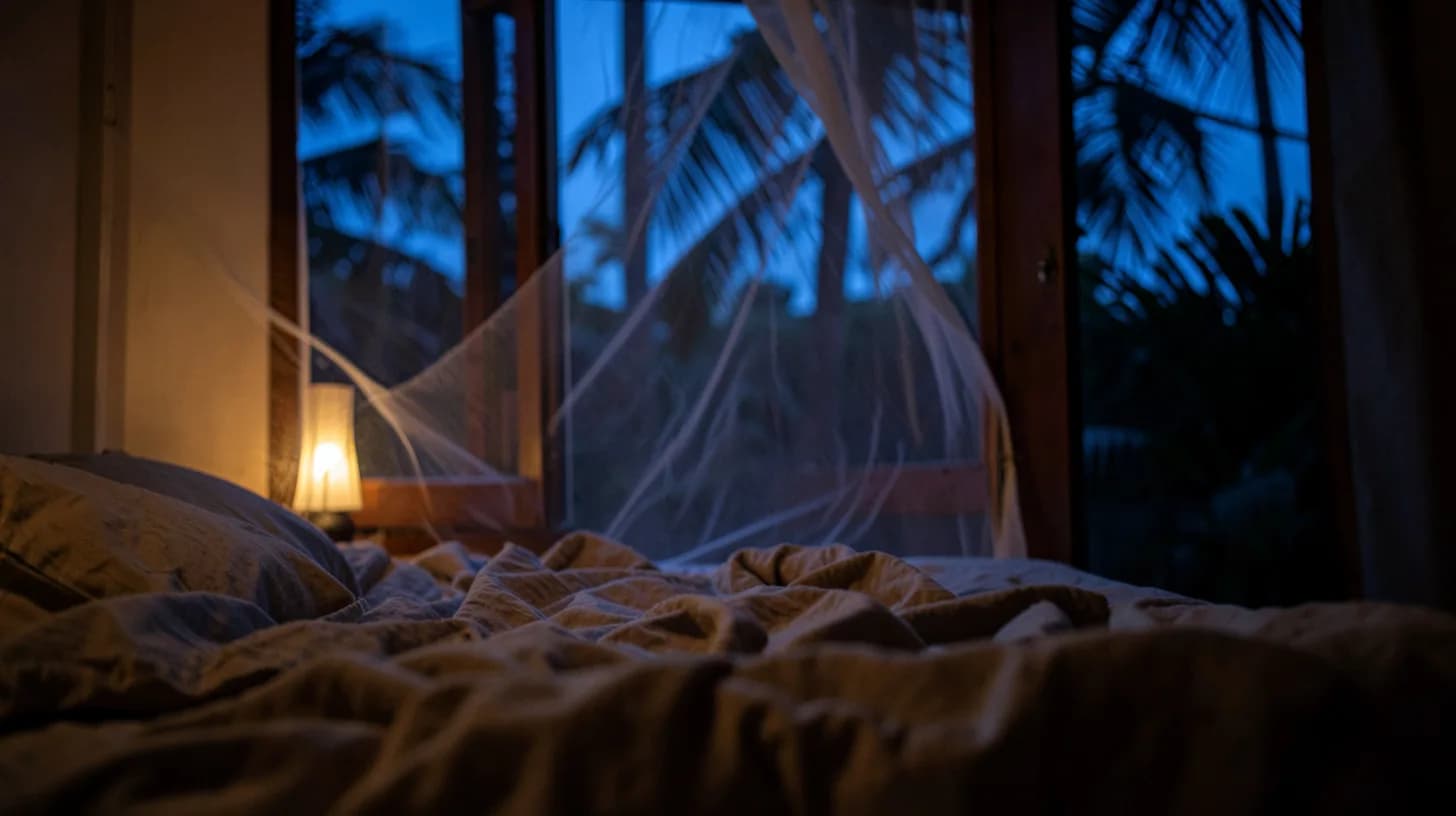
Ask a woman what she would change to get fitter and she will usually reach for the visible things: a better programme, more protein, an earlier alarm. Almost nobody says I would go to bed ninety minutes earlier, even though for a great many women that single change would outperform everything else on the list.
Sleep has a public-relations problem. It looks like the absence of effort, which makes it feel like the absence of progress. In physiological terms this is precisely backwards. Training is the stimulus; sleep is a substantial part of the response. Skip it and you are repeatedly asking a question your body never gets to answer.
Here is what the research actually says, what is specific to women, and where the line sits between good habits and something that needs a doctor.
Sleep is not one uniform state. It cycles roughly every ninety minutes between lighter stages, deep slow-wave sleep and REM, and the two ends of the night do different work.
Deep slow-wave sleep dominates the first half. It is when the largest pulses of growth hormone are released, and when much of the body's repair and rebuilding activity is concentrated. Cutting your night short at the front end — going to bed at two rather than eleven — costs you a disproportionate share of that.
REM dominates the second half, and it is heavily implicated in memory consolidation, including motor learning. This matters more than it sounds. Every new movement pattern you learn — a hinge, a clean, a running cadence — is partly consolidated overnight. Sleeping badly does not just leave you tired; it slows down how fast you learn to move well.
The experimental literature is unusually consistent.
In a small, well-controlled crossover trial published in 2010, Arlet Nedeltcheva and colleagues put participants through calorie restriction under two conditions: 8.5 hours in bed versus 5.5. Total weight lost was similar. The composition of it was not — under short sleep, a substantially smaller proportion of the loss came from fat and more from lean tissue. Same diet, different body.
Work by Eve Van Cauter's group and others has repeatedly shown that curtailed sleep shifts appetite regulation: leptin down, ghrelin up, and a measurable increase in hunger, particularly for energy-dense food. You are not weak at nine in the evening after a four-hour night. You are hormonally hungrier.
There is injury evidence too, though the clearest data come from young athletes: a well-known study by Matthew Milewski and colleagues found that adolescent athletes sleeping fewer than eight hours a night had markedly higher odds of injury than those sleeping more. Add the reliable finding that sleep loss raises perceived exertion — the same session simply feels harder — and the shape of the problem is clear. Under-slept training is more expensive and less productive.
You cannot out-train a short night. You can only pay for it later.
Two things deserve saying plainly, and both come with the same footnote: talk to a health professional if they affect you.
First, insomnia is consistently reported more often by women than by men across large epidemiological studies. This is not a character trait or a discipline failure; it is a documented pattern with hormonal, social and caregiving dimensions.
Second, the menstrual cycle has a measurable effect on sleep physiology. Core body temperature rises modestly in the luteal phase — typically a few tenths of a degree — and since falling core temperature is part of how the body initiates sleep, many women notice lighter or more broken sleep in the days before a period. Later, during the perimenopausal transition, vasomotor symptoms such as night sweats are a well-established cause of fragmented nights.
None of this is something to self-treat. If your sleep is persistently poor, if you snore heavily or wake gasping, if you are exhausted despite adequate hours, that is a conversation for a doctor, not a blog. What follows is about habits, not treatment.
Sleep responds far better to structure than to effort. Trying harder to fall asleep is famously counterproductive; changing the conditions is not.
Phoenix Oasis, the women-only sports and transformation retreat under construction on thirty hectares near Rivera, in Huila, Colombia, is being designed with the night treated as seriously as the training day. Rivera sits in the Magdalena valley in a region of quiet rural nights, and the site plan gives real weight to darkness, air movement and distance from noise.
When the retreat opens on 30 June 2028, the stays — Wake-Up Call, Reboot, Shift and Molting — are intended to build the day around the night rather than the reverse: early sessions in the cool hours, protected evenings, and enough recovery for the training to convert into something. The ambition is not that women sleep well for a fortnight, but that they leave understanding what their own sleep needs and what it is worth. You can follow how the site and the stays are taking shape on the page for our future retreat programmes.
TransformationSafety, focus, sisterhood: what actually shifts when women train among women. A research-informed look at the psychology behind women-only spaces — and why they transform.
4 min read
 Transformation
Grand resolutions collapse; tiny daily gains compound. Discover the math and science behind the 1% philosophy, and how getting slightly better every day transforms everything.
5 min read
 Transformation
Forget the 5 a.m. miracle checklist. Here is how busy women build morning rituals that survive real life — small, flexible, kind, and powerful enough to change your whole day.
5 min read