 Foundation
Why the Social Work Is a Foundation, Not a CSR Department
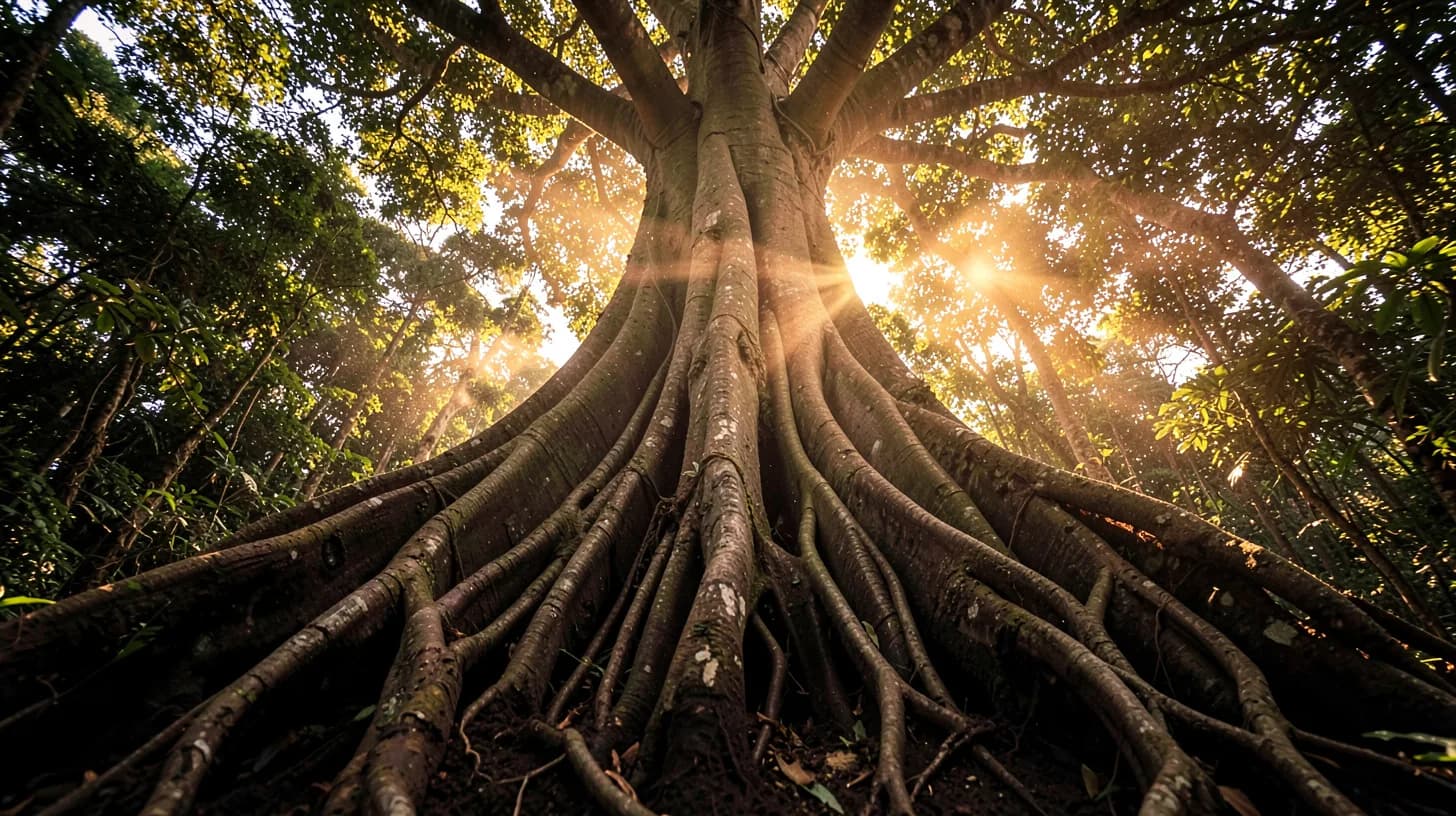
A separate legal entity is slower, costlier and harder to control. That is the argument for it — and the reasons a foundation can fail just as easily.
5 min read

Foundation
Phoenix Initiative4 min read
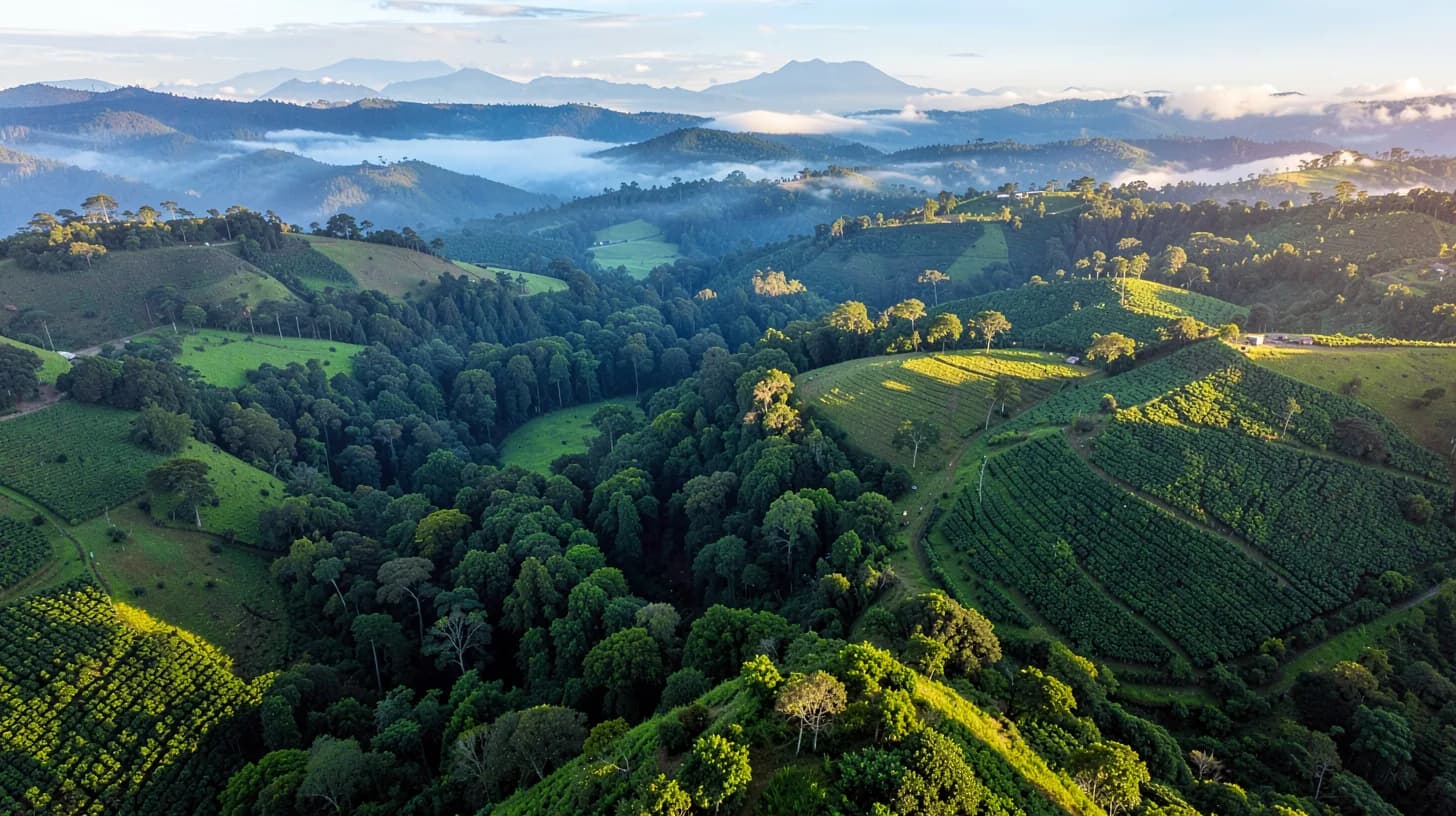
Colombia is one of the most biodiverse countries on earth, and holds more bird species than any other. That sentence gets printed on a lot of brochures. What it rarely comes with is the harder half: most of that richness now lives in fragments, separated by pasture, road and fence, and a fragment is not a habitat if nothing can get in or out of it.
Phoenix Initiative Colombia has planted nothing and restored nothing. There is no corridor, no nursery, no survey. What exists is an intention — one of the foundation's three pillars is land regeneration — and a growing conviction that on this particular land, in this particular valley, the useful contribution is not simply planting trees. It is connection.
This article sets out what that would mean, in the future tense, because that is the only tense honestly available.
Picture two patches of forest a kilometre apart, with cleared pasture between them. Each patch keeps its trees, and for a while it seems to keep its wildlife too. But populations in isolation lose genetic exchange, cannot recolonise after a bad season, and cannot follow their food when flowering shifts. Species that need territory — mid-sized mammals, large birds — simply cannot afford the gap.
Ecologists have a blunt way of putting it: for many species, the second most important thing after habitat quality is habitat connection. A landscape works when animals, seeds and pollen can move through it.
The upper Magdalena valley, where Rivera sits, is a working landscape of cattle, coffee, cane and small holdings. Reconnecting it will never mean returning it to primary forest, and pretending otherwise would be dishonest. It means threading habitat through a landscape that people also need to live from.
Corridors sound grand and are mostly made of modest, unphotogenic things.
We are not going to publish a list of charismatic animals that will return, because we have not surveyed the land and because promising a species is a promise you do not control.
What the plan does include is a proper inventory first — birds, bats, amphibians, and the vegetation itself — recorded by qualified people from outside the project, with camera traps and repeat visits rather than a single pleasant morning with binoculars. Colombia has a strong culture of citizen ornithology and a national biodiversity information system that anyone can consult; the intention is to contribute records to it rather than keep observations private.
For context on what the department already protects: Huila hosts Cueva de los Guácharos, established in 1960 as Colombia's first national park, named for the oilbirds that nest in its caves. The region's ecological seriousness is not a marketing claim. It is a matter of record, and it sets a standard for anyone arriving.
No number of trees planted as a headline. No before-and-after photograph standing in for evidence. No claim of species "brought back" that a specialist would not sign.
The indicator chosen in advance is survival at three years and canopy connectivity, not seedlings distributed. Planting is an event; a corridor is a decade.
Restoration goes wrong in a predictable way: fast-growing exotics, bought cheap in bulk, planted in rows. They green a slope quickly and support almost nothing.
The intention is the slower path — native species suited to this elevation and this soil, propagated from local seed where possible, in a mix rather than a monoculture, with the composition decided by people who know this specific flora. It costs more, it looks worse in year one, and it is the only version that produces habitat rather than decoration.
Phoenix Oasis will open on 30 June 2028, on an estate of 30 hectares that includes six waterfalls, three freshwater springs and one thermal spring. A corridor will not be finished by then, or by 2038. That is not a failure of ambition; it is what the timescale of a forest actually is.
What can exist by opening day is a baseline, a planting plan built on it, and a public commitment to report what survives rather than what was bought. If you want to watch that unfold, the mission and its commitments are set out on the foundation page.
FoundationA separate legal entity is slower, costlier and harder to control. That is the argument for it — and the reasons a foundation can fail just as easily.
5 min read
 Foundation
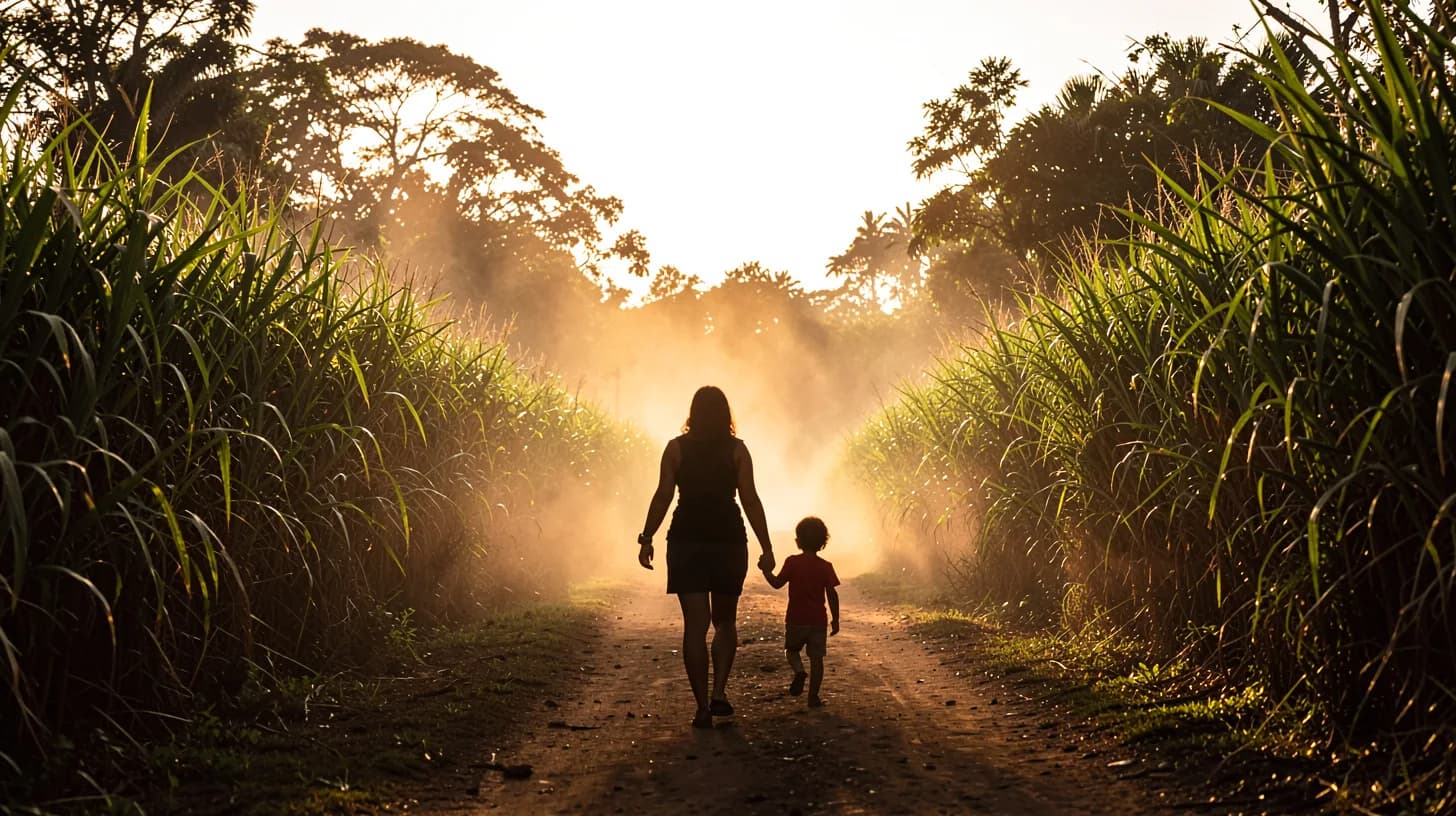
Most programmes lose single mothers at the timetable, not at the door. The Foundation intends to design around care work from the first sketch.
5 min read
 Foundation
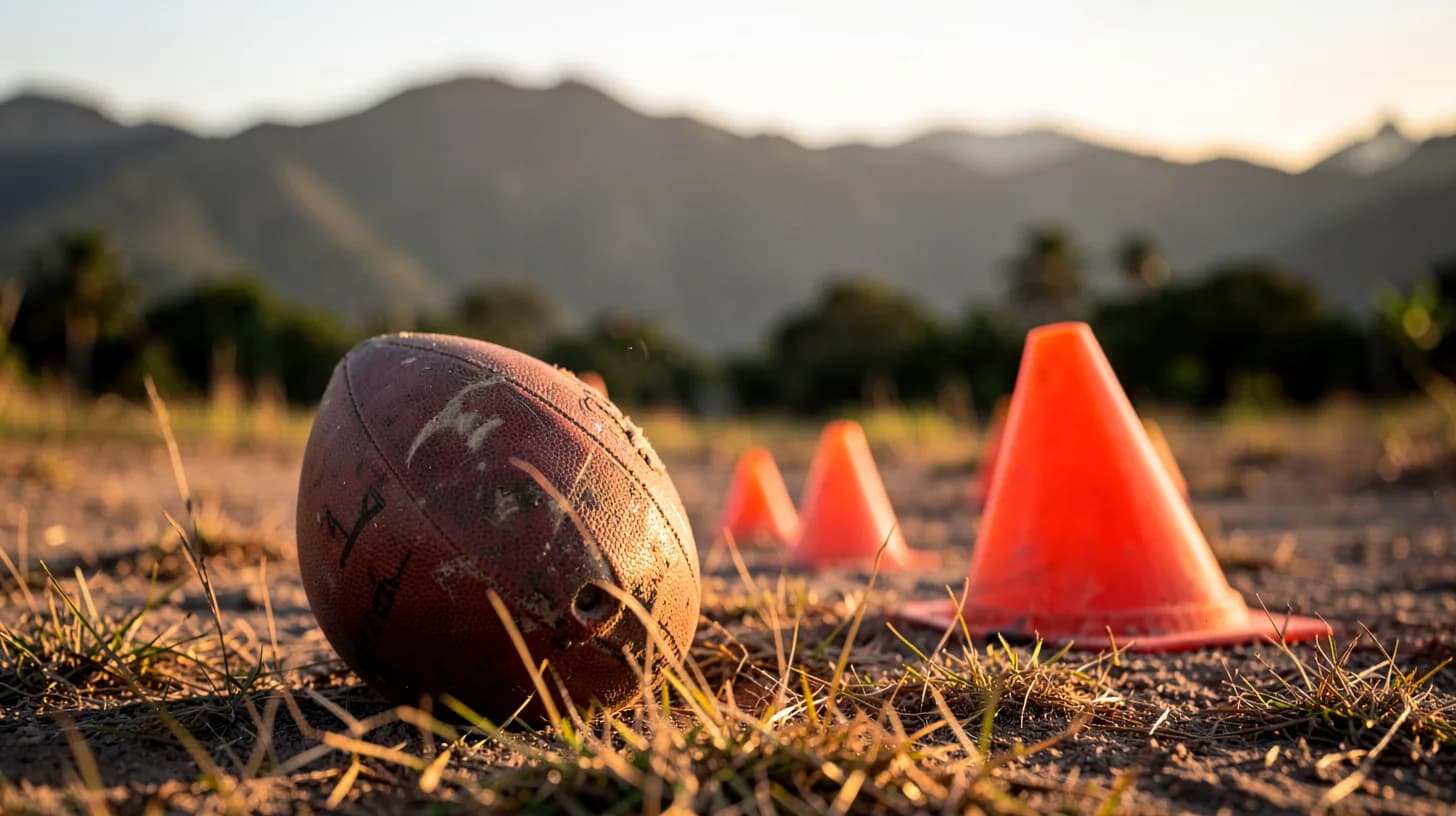
Not a tournament, not a launch event. A design for recurring open days in Rivera — and an honest list of the ways this kind of thing usually fails.
5 min read