 Foundation
Why the Social Work Is a Foundation, Not a CSR Department
A separate legal entity is slower, costlier and harder to control. That is the argument for it — and the reasons a foundation can fail just as easily.
5 min read

Foundation
Phoenix Initiative5 min read

Colombia already knows how to do this, and has for fifty years. Every Sunday, Bogotá closes long stretches of road to cars and hands them to people on bicycles, skates and feet — the ciclovía, which began in 1974 and has been copied by cities across the Americas. Its genius is not athletic. It is that it costs a participant nothing, requires no club, no kit and no fitness, and happens at the same time every week until it becomes simply what one does on a Sunday.
Phoenix Initiative Colombia has not held a sports day. Not one. No date has been set, no permit sought, no partner in Rivera confirmed. What exists is a design, and this article sets it out — including the parts most likely to go wrong.
A tournament rewards people who are already playing. It produces a winner, a photograph and, usually, nothing that survives the weekend.
An open day has a different purpose. It is a low-stakes doorway for people who would never sign up for anything: an hour in the street with friends, a game with rules loose enough that nobody is exposed, a class where being uncoordinated is unremarkable. The intended outcome is not a result. It is that a handful of people come back the following month, and that some of them eventually join something regular.
That is why the plan is recurrence rather than a single event. One spectacular day is an announcement. A modest day repeated is an institution.
It also changes what you have to be good at. A single event rewards spectacle and a large budget; a recurring one rewards reliability, which is cheaper and much harder. The question stops being how many people came and becomes whether the same street knows, without being told, that something happens here on the first Saturday of the month.
The intended shape draws on things that already work in Colombian towns rather than importing a format.
Phoenix Oasis, the retreat centre opening on 30 June 2028, will be women-only. The foundation's community work is a different thing and will be open to the town: children, teenagers, men, older residents.
But "open to everyone" is not neutral. In practice, an unstructured sports day is filled by the people most confident in a sports space, and in most towns that means adolescent boys. So the design includes women's and girls' sessions with their own time, space and coach — not to exclude anyone, but because a space that belongs to nobody in particular usually ends up belonging to whoever shouts loudest.
This is where community events actually succeed or fail, and it is worth being unromantic about it.
Water, in quantity. Shade, or the session is over by nine. Toilets, which is often the real reason women do not stay. A first-aid presence and a clear plan for who calls whom, with the limits of that role understood — a volunteer with a first-aid kit is not a health service. Insurance and municipal permission. Someone whose entire job is the register, because a day nobody records is a day that teaches you nothing. And transport, or the event serves only the streets within walking distance.
Worth writing down before there is any reason to be defensive.
It failed if attendance is high once and never again. It failed if the same twenty confident people come each time and nobody new does. It failed if girls attend at nine and stop attending at fourteen, which is the age at which sport participation among girls tends to fall away in many countries. It failed if the sessions depend on the foundation being present. And it failed if it produced excellent photographs and no ongoing group.
The order of operations matters. The intention is that local coaches are trained first, that the safeguarding rules exist on paper first, and that the town's own institutions — the municipality, schools, existing clubs — are partners rather than an audience. A sports day organised for a town by outsiders is a visit. One organised with it is a start.
Phoenix Oasis will open on 30 June 2028, and the foundation's work in Huila is meant to begin before that and continue long after. None of the days described here has taken place. When the first one does, this article is what it should be measured against — the mission and its commitments are set out on the foundation page.
FoundationA separate legal entity is slower, costlier and harder to control. That is the argument for it — and the reasons a foundation can fail just as easily.
5 min read
 Foundation
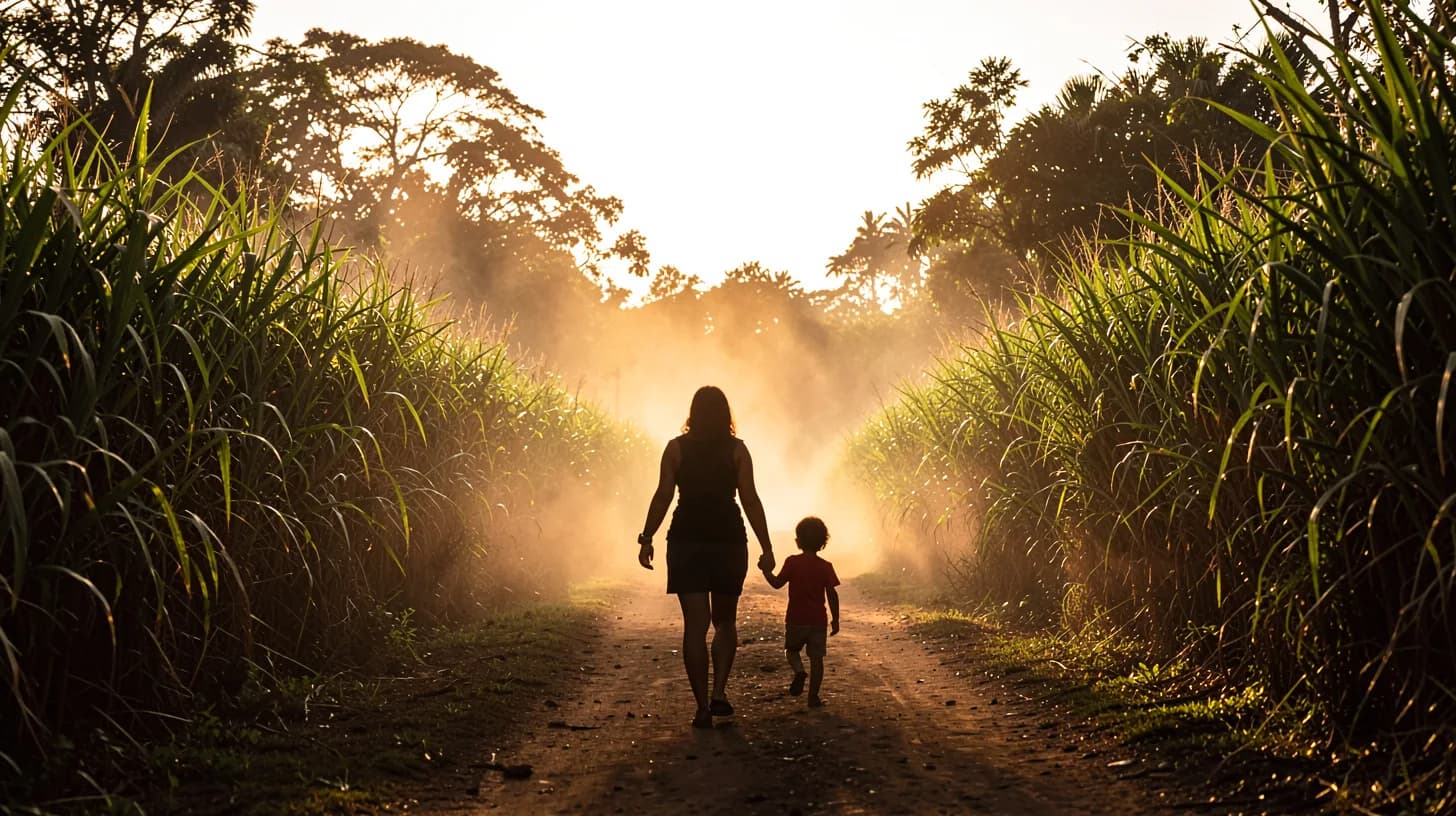
Most programmes lose single mothers at the timetable, not at the door. The Foundation intends to design around care work from the first sketch.
5 min read
 Foundation
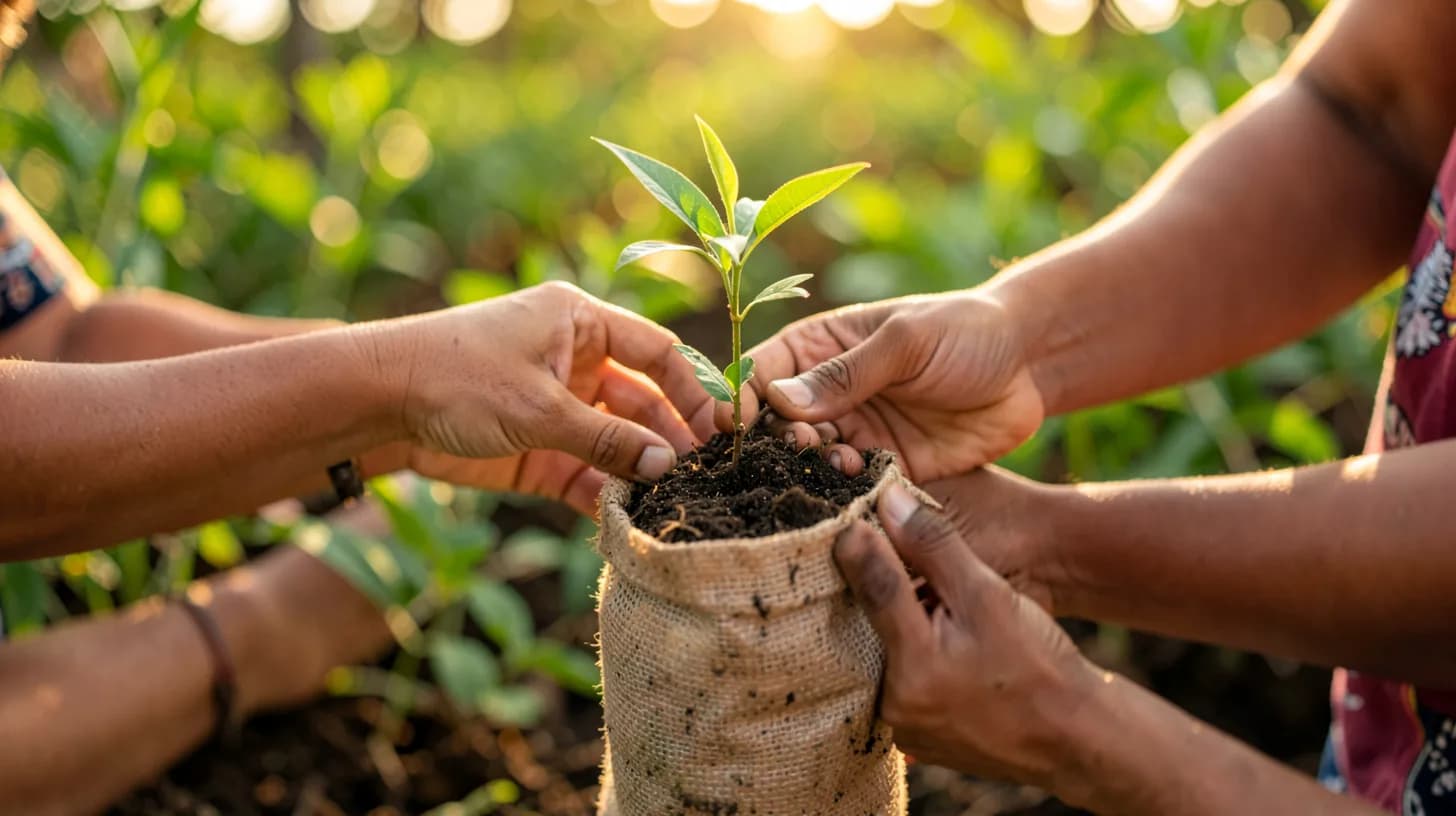
Four women hold the Foundation's four pillars. Here is what the role actually involves, what it can decide, and why it is not an influencer arrangement.
4 min read