If you have heard one piece of Colombian music, it was probably a cumbia. If you go to a festival in Huila, you will hear almost none.
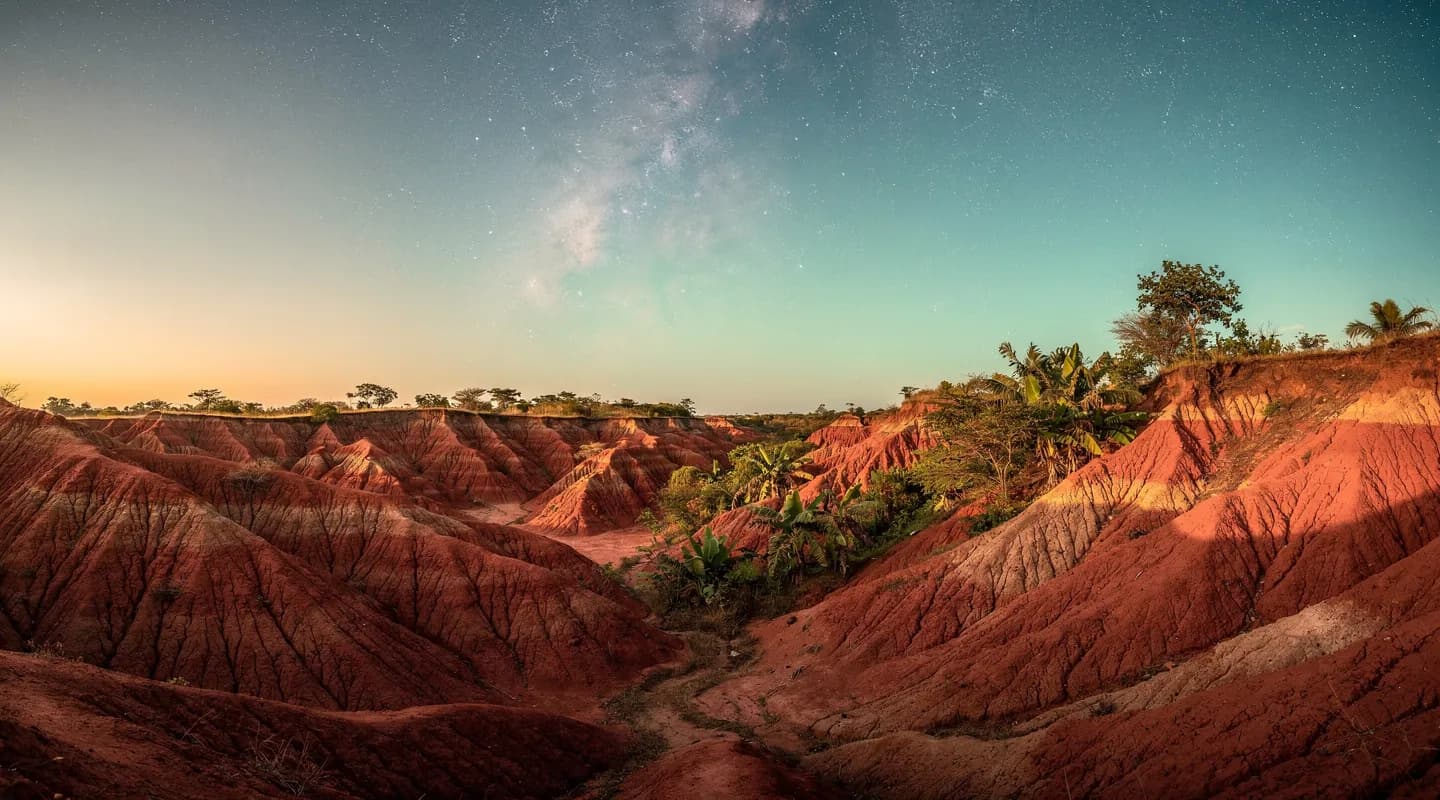
This is one of the most common misunderstandings about the country, and it is entirely forgivable: from outside, Colombia reads as a single tropical block. From inside, it is a place of three mountain ranges, two oceans and a river that separates as much as it connects. Music followed the geography exactly.
Cumbia belongs to the Caribbean coast and the lower Magdalena. Bambuco belongs to the Andean interior — to Huila, Tolima, the coffee highlands. They are not variations on one another. They are different musical civilisations that happen to share a country.
What a bambuco actually is
Bambuco is the emblematic music of Colombia's Andean interior, and it is rhythmically slippery in a way that catches out trained musicians.
It is normally written in 6/8, but it constantly implies 3/4 underneath — two pulses of three, and three pulses of two, at the same time. Musicians call this hemiola. In practice it means a bambuco sounds like it is gently disagreeing with itself, which is precisely the effect. Dancers feel it as a lilt rather than a beat.
The core instruments are all string:
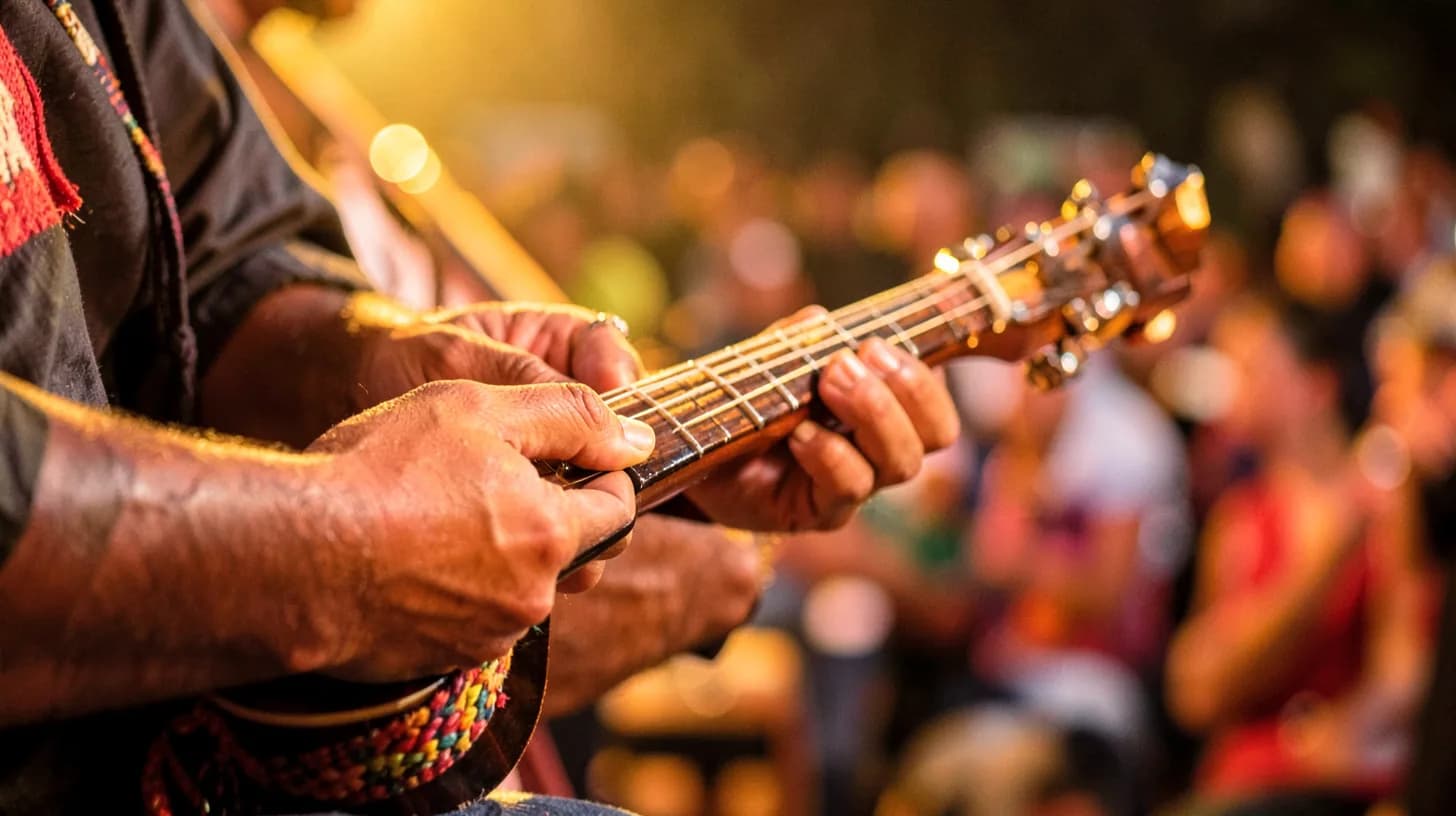
- The tiple, Colombia's national instrument — twelve strings in four triple courses, bright and slightly metallic, doing the rhythmic work.
- The bandola andina, pear-shaped and played with a plectrum, carrying the melody.
- The guitar, holding the bass and the harmony.
Add a voice, usually two in close harmony, and that is the classic ensemble. No drums at all. This is mountain music: cool, contained, made for a house rather than a street.
The Sanjuanero, and the last week of June
Huila's own contribution is the Sanjuanero Huilense, a fast, festive bambuco that functions as the department's musical signature.
The melody is credited to Anselmo Durán Plazas, and the lyrics along with the codified choreography to Sofía Gaitán Yanguas — which is worth noting, because the dance that represents Huila to the rest of Colombia was choreographed by a woman and is still taught exactly as she set it.
It is danced in the last week of June during the Fiestas de San Pedro and the Festival Folclórico y Reinado Nacional del Bambuco in Neiva, one of the country's oldest folkloric festivals. The choreography is a courtship in six figures: pursuit, refusal, a hat placed on the ground, a handkerchief, and a final surrender that is anything but submissive. The skirts are enormous and embroidered, and the footwork is precise to the centimetre after months of rehearsal in every town in the department.
Rajaleña: the verses that come with it
Alongside the polished stage version runs something rougher and older: the rajaleña.
Rajaleñas are sung coplas — short rhymed verses, traded between singers, often improvised, frequently mocking and cheerfully indecent. The accompaniment is a small Huila ensemble of cane transverse flute, tiple, tambora, esterilla, chucho rattle, and the puerca, a friction drum that makes a low grunting sound and gives the music its unmistakable texture.
Rajaleña is the part of Huila's tradition that has not been tidied up for tourists. If you find one being sung in a village during the June festivals, stay.
Cumbia: the coast's gift to a continent
Cumbia comes from somewhere else entirely — the Caribbean lowlands, where the Magdalena spreads out into swamps before reaching the sea.
Its origins are genuinely tri-ethnic, and unusually legible: Indigenous in its flutes, the gaitas and the caña de millo; African in its drums, the tambor alegre, the llamador and the deep tambora; European in melodic and lyrical structure. The traditional dance has women moving in a slow circle holding lit candles, the step shuffling and grounded, the men circling around them.
From that specific origin, cumbia became the most widely adopted popular rhythm in Latin America — reinvented in Mexico, Peru, Argentina and beyond, often by people with no idea it began on a Colombian riverbank. The singer Totó la Momposina, from Mompox on the Magdalena, spent a career carrying the traditional version to international audiences.
Learning to hear the difference
The shortcut is simple. If it is driven by drums, you are on the coast. If it is driven by strings, you are in the mountains. Cumbia is horizontal and hypnotic. Bambuco is vertical and conversational.
Neither is better, and Colombians do not rank them. But knowing which one you are listening to tells you where you are, which in a country this varied is genuinely useful information.
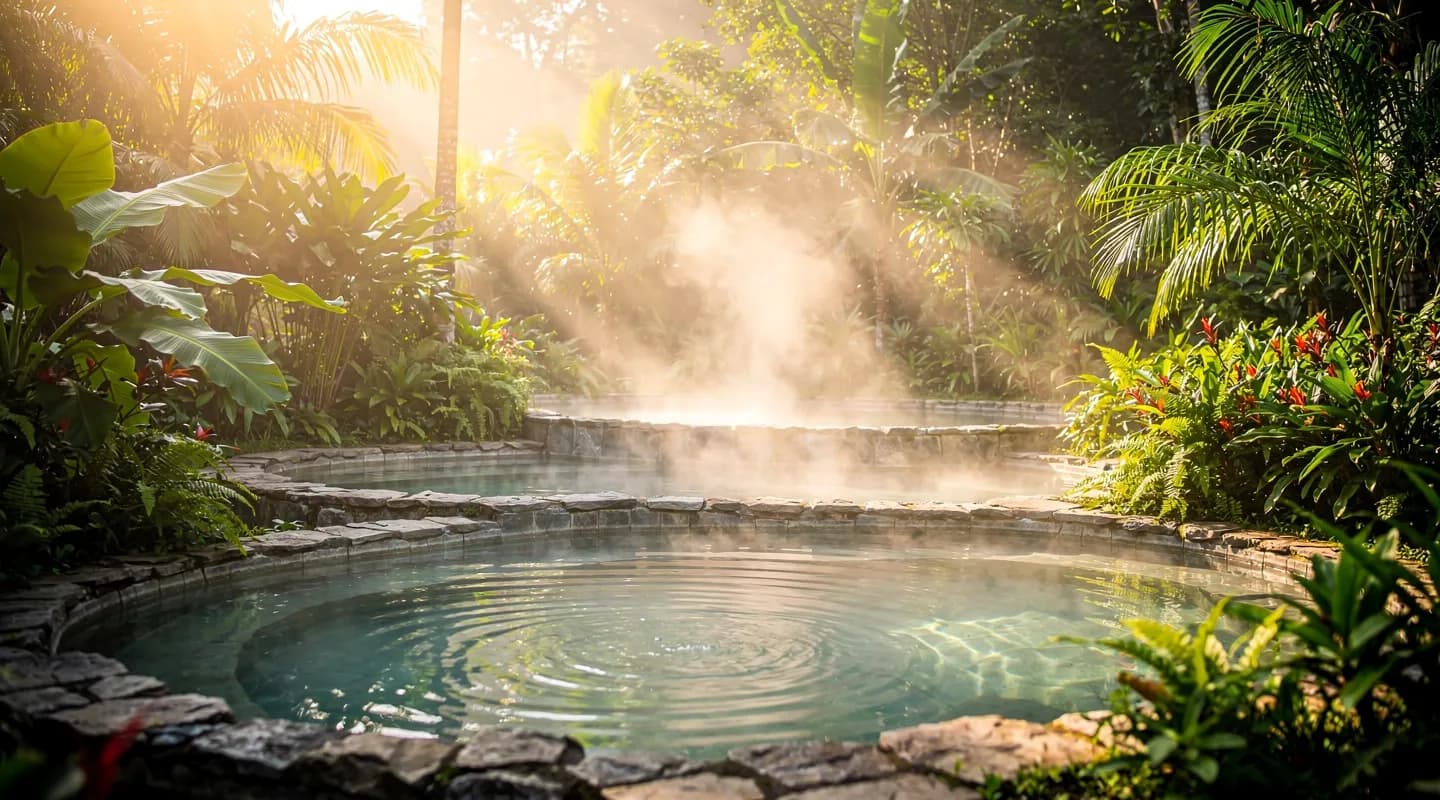
Phoenix Oasis will open on 30 June 2028 in Rivera, twenty-one kilometres from Neiva — which means its opening falls within days of the San Pedro festivities, in the department whose signature dance is a bambuco. That is a coincidence of the calendar, but a fitting one.
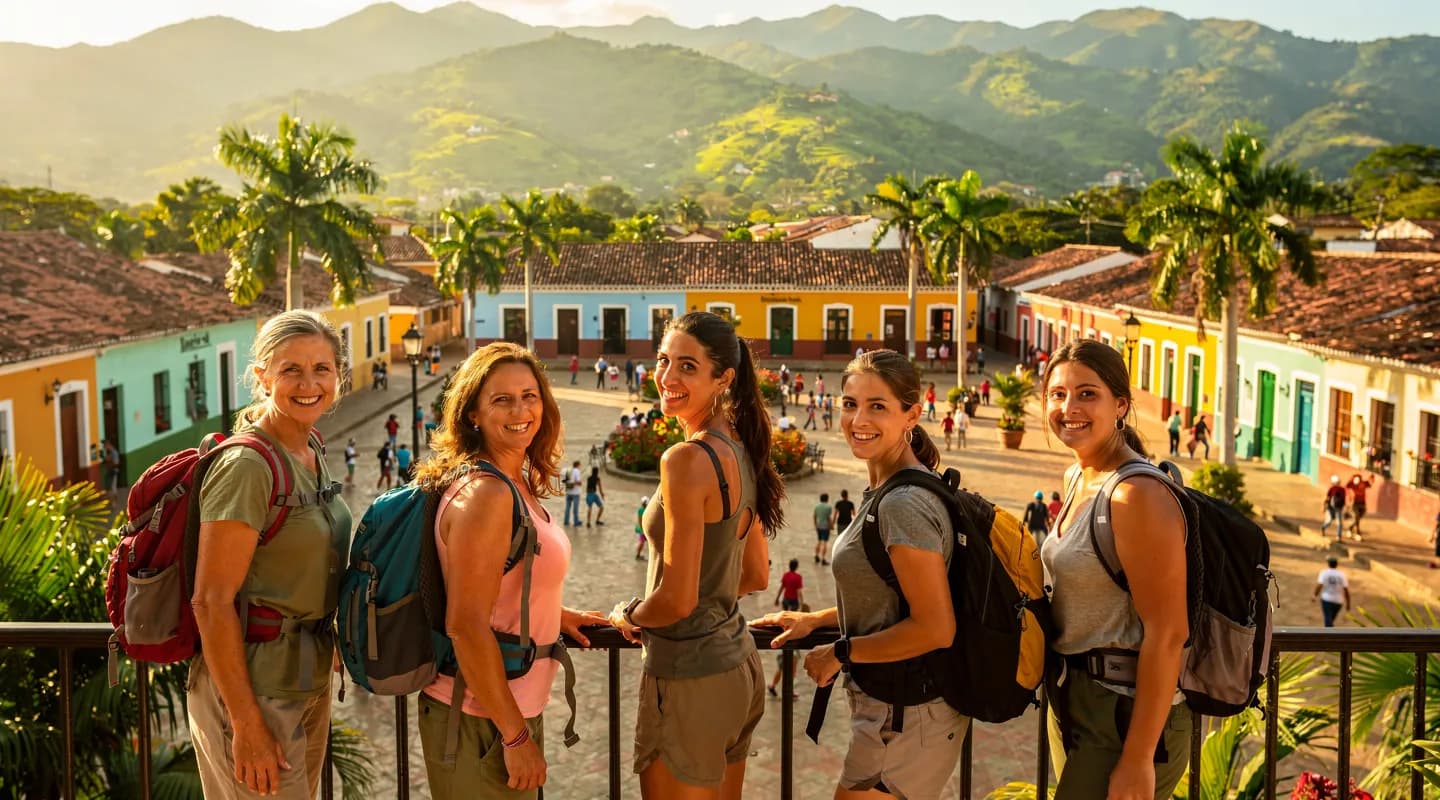
Music here is not background. It is how a region says what it is. Arrive in late June and you will hear it argued out loud, in six-eight, with a tiple in the middle of it.

 Colombia & Surroundings