 Foundation
Why the Social Work Is a Foundation, Not a CSR Department
A separate legal entity is slower, costlier and harder to control. That is the argument for it — and the reasons a foundation can fail just as easily.
5 min read

Foundation
Phoenix Initiative5 min read
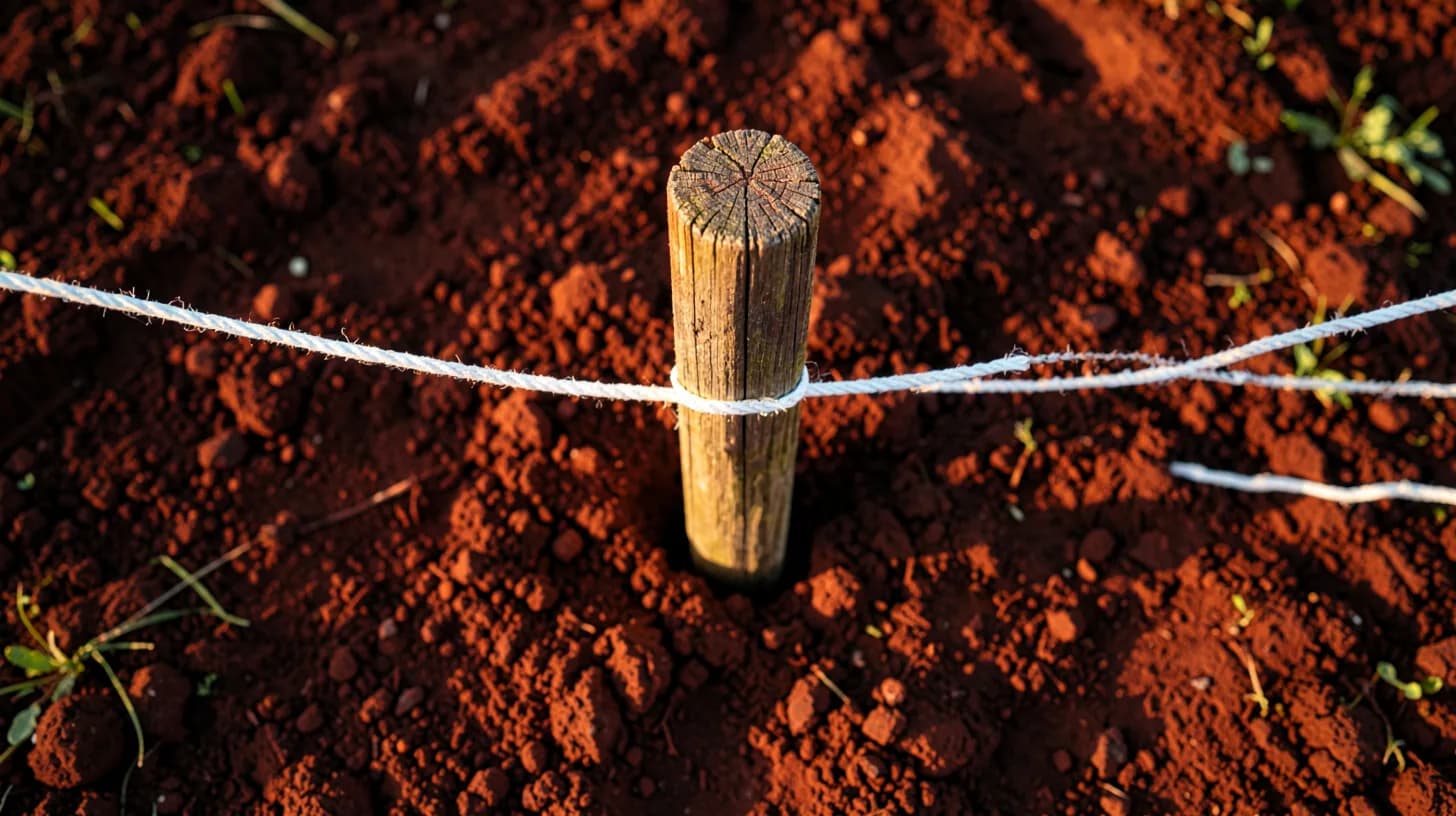
Nothing has happened yet. Phoenix Initiative Colombia, the foundation growing on the same land as the future Phoenix Oasis in Rivera, Huila, has not run a single programme. It has not trained anyone, planted anything, or held a single session. There is no beneficiary to interview, no cohort to follow, no figure to put in a headline.
That is the honest starting position of this article, and it is the reason the article exists. There is exactly one moment when it is easy to choose honest indicators, and it is this one: before you have any results at all. Once a programme is running, every measure you pick is shadowed by the outcomes you already know you can show. Pick the yardstick afterwards and you will — with the best intentions in the world — pick the one that flatters.
So what follows is not a report. It is a commitment written in advance: what the foundation intends to measure, what it refuses to measure, and what it will do when the numbers disappoint. None of it is evidence of anything. All of it is a promise that can be checked later, which is the only kind worth publishing this early.
In clinical research there is a discipline called pre-registration: investigators declare their primary outcome measure before they collect any data. The reason is not bureaucratic. It is that human beings are extraordinarily good at finding a favourable reading after the fact — at noticing, once the results are in, that the interesting finding was over here rather than over there. Declaring the measure first removes the temptation.
Social projects are rarely held to that standard, which is part of why the sector is so crowded with impressive-sounding numbers that mean very little. The economist Charles Goodhart gave us the warning in its most quoted form: when a measure becomes a target, it ceases to be a good measure. A foundation that decides what counts as success only once it has something to show has already lost the argument.
The foundation's answer is to publish its measurement plan while it still has nothing to lose by doing so.
Two families of numbers get confused constantly, and the confusion is usually deliberate.
Outputs are what an organisation does: sessions held, hours of training delivered, seedlings put in the ground, hectares placed under a management plan. They are cheap to count, easy to inflate, and they describe activity rather than change. A busy year and a useful year produce very similar output tables.
Outcomes are what changes for other people: whether someone trained in a craft is still practising it eighteen months later, whether a training group is still meeting a year after the launch photographs, whether the soil on a slope holds more water in the dry season than it did before. Outcomes are slow, awkward and expensive to establish. They are also the only reason to do any of this.
The commitment is simple: the foundation will publish both, and will never let an output stand in for an outcome. When only outputs are available, the report will say so plainly.
Some numbers exist mainly to be shared. The foundation is deciding now, in public, not to lean on them.
The foundation is built on education and training, sport for social impact, and land regeneration. Each pillar gets indicators suited to its own timescale.
For education and training, the honest question is not how many people enrolled but how many are still using the skill a year and two years later, and whether anyone trained here has gone on to teach someone else. A craft that stops when the course stops was a nice week, not a programme.
For sport, the measure chosen in advance is continuity rather than turnout: how many sessions are still running six and twelve months in, and how many of them are led by women from the community rather than by the foundation. Launch day attendance is the easiest number in the world to produce and the least informative.
For land regeneration, the indicator will be survival, not planting. Trees put in the ground are an event; trees alive at three years are a result, and the gap between the two numbers is where most reforestation claims quietly live. Alongside survival, the plan is to track water infiltration and species counts recorded by an outside surveyor rather than by us.
None of these indicators mean anything without a starting point. Before any programme opens, the state of things has to be recorded: what skills exist in the area, what sports provision already runs, what the soil, water and species picture looks like across the estate. A baseline is uncomfortable precisely because it is the one number nobody can retroactively improve.
This is also the least visible work the foundation will do, and the easiest to skip. Writing it down here makes skipping it harder.
The intention is an annual public account: indicators as declared, results as found, and disappointing results given the same prominence as encouraging ones. Where an external body can verify something, the foundation will ask it to, and will say so when no such verification exists.
Phoenix Oasis will open on 30 June 2028. The foundation's work in Huila is meant to begin before that and continue long after, which is exactly why the measurement question had to be settled first. When the first real figures exist, this page is the one to compare them against — you can follow the mission and its commitments on the foundation page.
FoundationA separate legal entity is slower, costlier and harder to control. That is the argument for it — and the reasons a foundation can fail just as easily.
5 min read
 Foundation
Most programmes lose single mothers at the timetable, not at the door. The Foundation intends to design around care work from the first sketch.
5 min read
 Foundation
Not a tournament, not a launch event. A design for recurring open days in Rivera — and an honest list of the ways this kind of thing usually fails.
5 min read