When people picture Colombian coffee, they usually picture the Zona Cafetera — Salento, wax palms, jeeps painted like carnival floats. Meanwhile, the coffee world's judges have been quietly looking further south. For years now, when Colombia's Cup of Excellence competition publishes its winning lots, one department dominates the list again and again: Huila. This green, mountainous region in the country's southwest is not just Colombia's largest coffee producer by volume — it's the origin many specialty roasters name first when asked where the country's most exciting cups come from.
Here's why, and how to taste it at the source.
The geography that flavor is made of
Coffee quality is written into a landscape long before anyone roasts a bean. Huila's setup is close to ideal:
- Altitude. Farms commonly sit between 1,200 and 2,000 meters. Higher, cooler slopes make coffee cherries ripen slowly, concentrating sugars and developing complex acidity.
- Volcanic soil. The shadow of the Nevado del Huila and the region's volcanic past left mineral-rich soils that feed healthy, expressive plants.
- The Magdalena valley effect. Warm days and cool nights, with the great river's valley funneling distinct microclimates into every fold of the mountains.
- Water everywhere. Springs and rivers make careful washing and processing possible on even the smallest farms.
The result in the cup: coffees frequently described as sweet and juicy, with red fruit, caramel and citrus notes and a bright, clean acidity. If a barista has ever handed you a pour-over that tasted like cherries and made you reconsider everything you knew about coffee, there's a fair chance it was a Huilan lot.
Small farms, huge care
The other half of the story is human. Huila's coffee is grown overwhelmingly on small family farms — a few hectares each, tens of thousands of them, many led or co-led by women. On farms that size, coffee isn't an industrial crop; it's a craft practiced by people who know individual trees the way you know your neighbors.
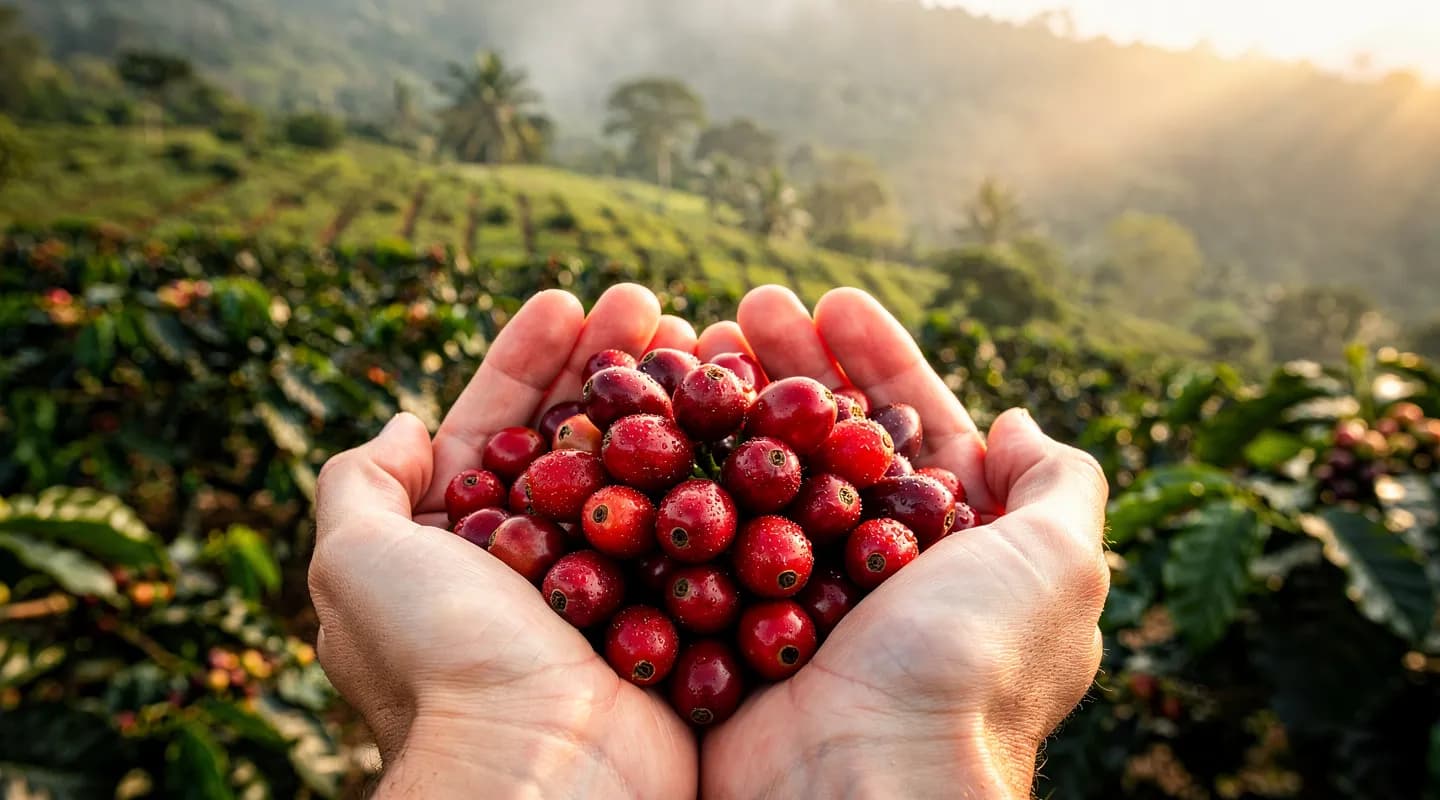
Cherries are picked by hand, and only the ripe ones. Many producers ferment and dry with the precision of winemakers, experimenting with honey and natural processes, tracking hours and temperatures in worn notebooks. This obsessive, small-scale care is exactly what competitions like the Cup of Excellence — a rigorous, blind-judged contest of a country's best lots — are designed to reward. When Huilan farms win, and they often do, the prize money and recognition flow straight to families whose names appear on the bag. Specialty coffee, at its best, is one of the fairest deals in agriculture, and Huila is one of its capitals.
How to visit a finca (and do it well)
Coffee tourism in Huila is younger and more intimate than in the Zona Cafetera — less polished, more personal. Around Garzón, Pitalito, Palestina, San Agustín and the hills near Neiva, many farms welcome visitors for half-day tours. A good visit usually includes:
- Walking the rows — learning to spot a perfectly ripe cherry (and tasting one raw; the fruit is sweet).
- The beneficio — seeing pulping, fermentation tanks and drying beds, where most of a coffee's character is decided.
- Roasting and cupping — the ceremonial slurp-tasting that lets you compare lots side by side like a judge.
- Time at the table — because no finca lets you leave without conversation and something to eat.
A few tips: arrange visits a day or two ahead through your guesthouse or local guides, aim for the harvest peaks (roughly April to June and October to December, varying by altitude), bring cash to buy beans directly, and ask questions — producers light up when visitors care about the details. Even a little Spanish goes a long way; enthusiasm goes further.
Drink it like a local, think like a farmer
There's a lesson in Huila's coffee story that goes beyond the cup. Nobody wins a Cup of Excellence with one heroic gesture. These farms win through thousands of small, unglamorous decisions made well: picking only ripe cherries, cleaning the tank again, turning the beans on the drying bed one more time. Excellence here is simply consistency, compounded.
That's precisely the philosophy we've built Phoenix Oasis around — our women-only sports and transformation retreat center under construction in Rivera, in the heart of this coffee country, opening June 30, 2028. We call it the 1% philosophy: one percent better every day, compounding like interest — 1.01 to the power of 365 is nearly 38. Huila's farmers have been living that math for generations. And through the Phoenix Initiative Colombia foundation, we're committed to the same soil they are — with education and training programs, sport for social impact, and regeneration of the land in the region we now call home.
So when you drink a Huilan coffee — here or wherever you are — you're tasting patience, altitude and daily discipline in a cup. Not a bad ritual to start your own 1% with.
Want to see what we're building alongside this community? Discover the Phoenix Initiative Colombia foundation.

 Colombia & Surroundings