Ask most travelers to name a Colombian destination and you'll hear Cartagena, Medellín, maybe the coffee axis around Salento. Almost nobody says Huila. That silence is exactly why you should pay attention. Tucked into the southwest of the country, where the Andes split into three cordilleras and the Magdalena River begins its long journey north, Huila is the Colombia that Colombia keeps for itself — and it is quietly becoming one of the most exciting regions in South America.
A landscape that refuses to pick one identity
Huila doesn't do subtle transitions. In a single day of driving you can move from the misty páramo highlands near the Puracé volcano to sugarcane valleys, from coffee farms clinging to steep green slopes to the ochre canyons of the Tatacoa desert. The department is crowned by the Nevado del Huila, one of Colombia's highest peaks, and cut through its heart by the Magdalena, the river that shaped the entire country's history.
This compression of ecosystems is rare anywhere in the world. It means waterfalls and thermal springs an hour from cactus-studded badlands. It means you can hike cloud forest in the morning and watch a desert sunset the same evening. For travelers who measure a destination by how much it can surprise them, Huila delivers on a scale that few regions can match.
San Agustín: a mystery carved in stone
At the southern end of the department lies San Agustín, home to the largest collection of megalithic sculptures in South America and a UNESCO World Heritage Site since 1995. More than 500 monumental stone statues — jaguar-fanged guardians, serene birthing figures, eagles clutching serpents — stand scattered across rolling green hills, carved by a civilization that vanished centuries before the Spanish arrived.
Archaeologists still debate who these people were and what the statues meant. That open question is part of the magic. Walking the mesitas of the archaeological park, or riding horseback to the more remote sites of La Chaquira and El Tablón, you're not consuming a packaged story. You're standing inside an unanswered one. Few places on the continent offer that feeling with so few crowds around you.
The quiet rise of a region
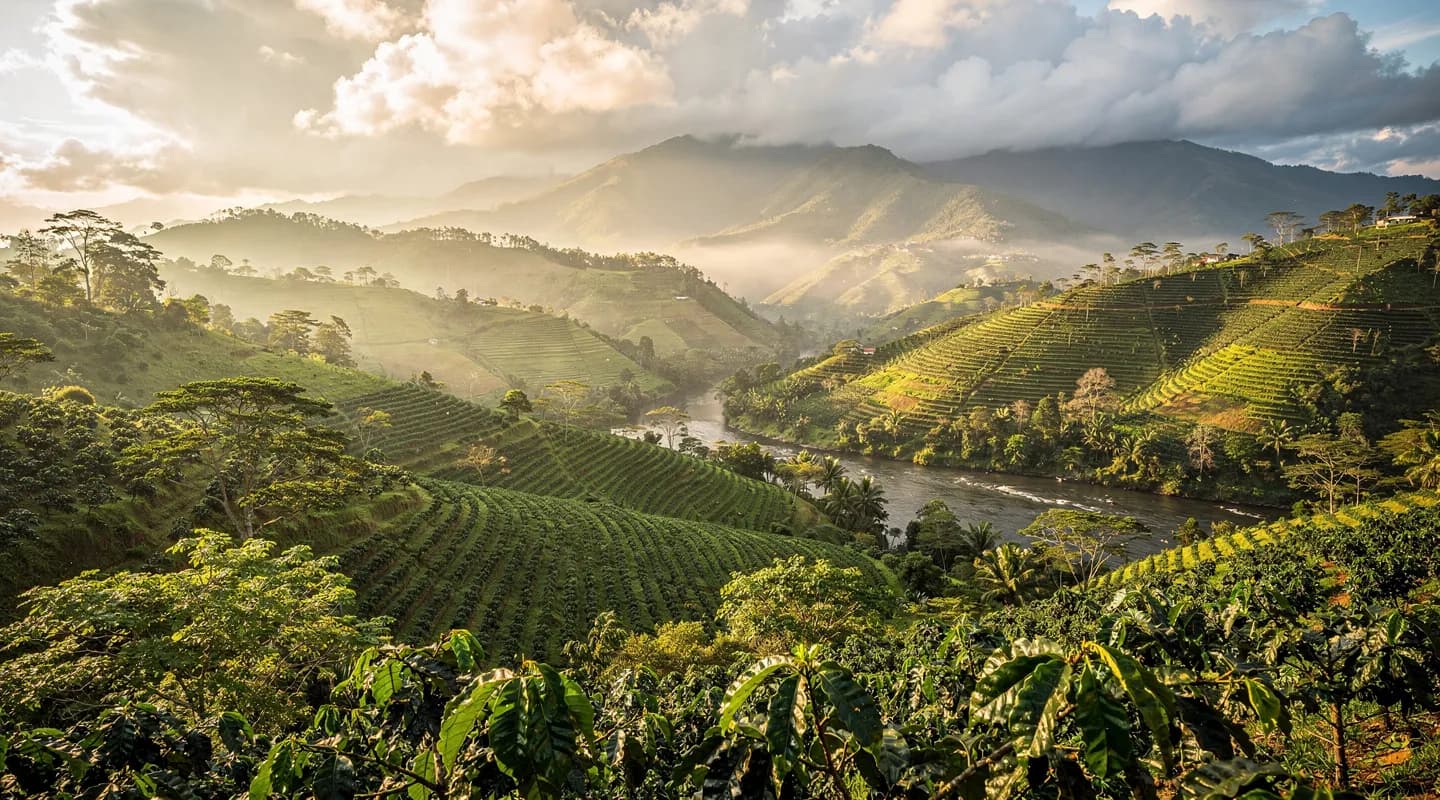
For decades, Huila stayed off international itineraries — a consequence of Colombia's difficult years and simple lack of infrastructure. That has changed, and fast. Roads have improved dramatically, Neiva's airport connects easily through Bogotá, and a new generation of local entrepreneurs — many of them women — are opening guesthouses, leading tours, and exporting some of the best coffee on the planet. Huila is now Colombia's largest coffee-producing department, and its beans regularly dominate the country's Cup of Excellence competitions.
Tourism boards talk about "emerging destinations" so often that the phrase has lost meaning. Huila is the real thing: the visitor numbers are still low, the prices still local, the welcome still genuinely curious rather than transactional. You are early — and being early here feels like a privilege, not a compromise.
What a journey through Huila actually looks like
A well-paced route through the department might look like this:
- Neiva, the riverside capital, as your arrival point and a first taste of Huila's heat, music and river culture.
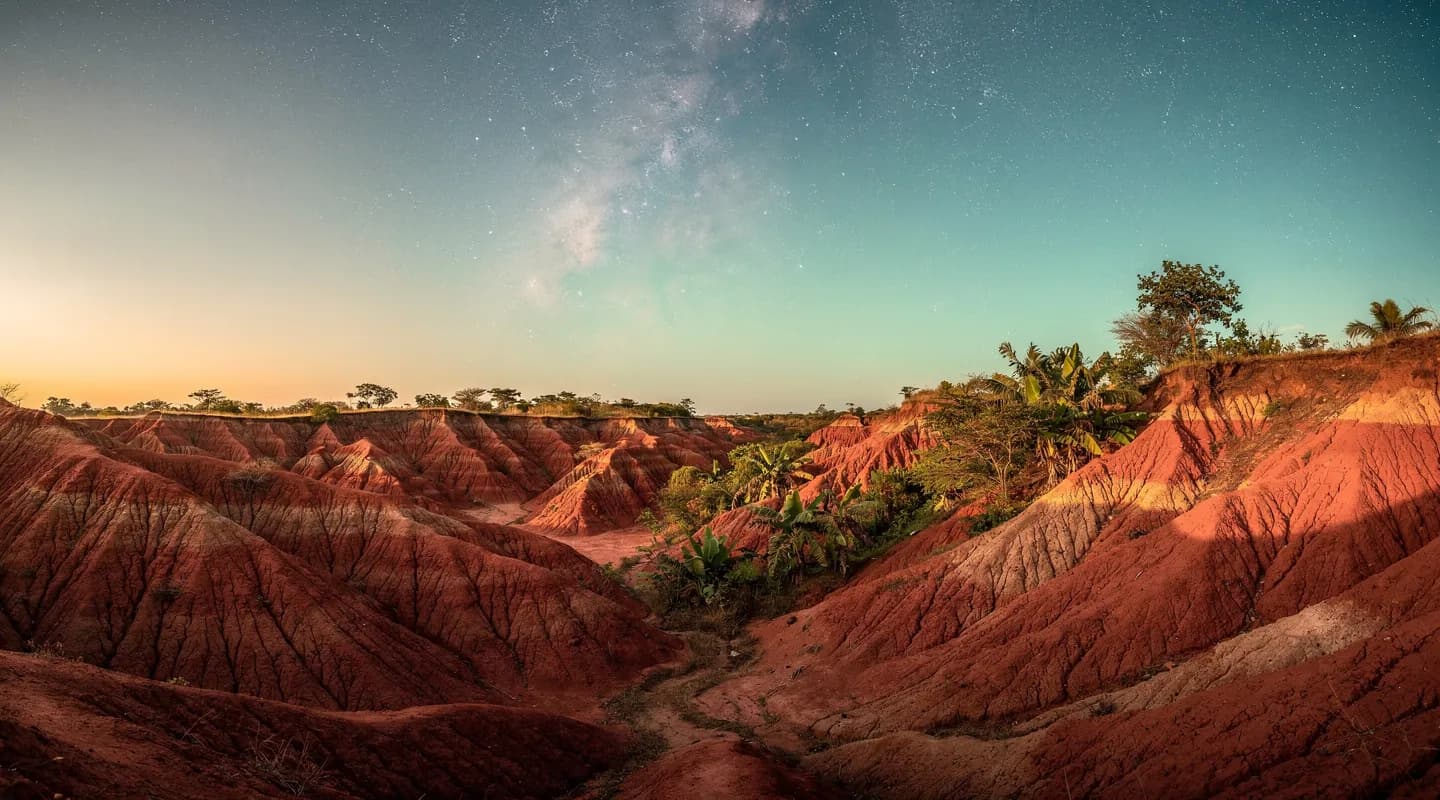
- The Tatacoa desert, two hours north, for red canyons, grey lunar valleys and some of the clearest night skies in Colombia.
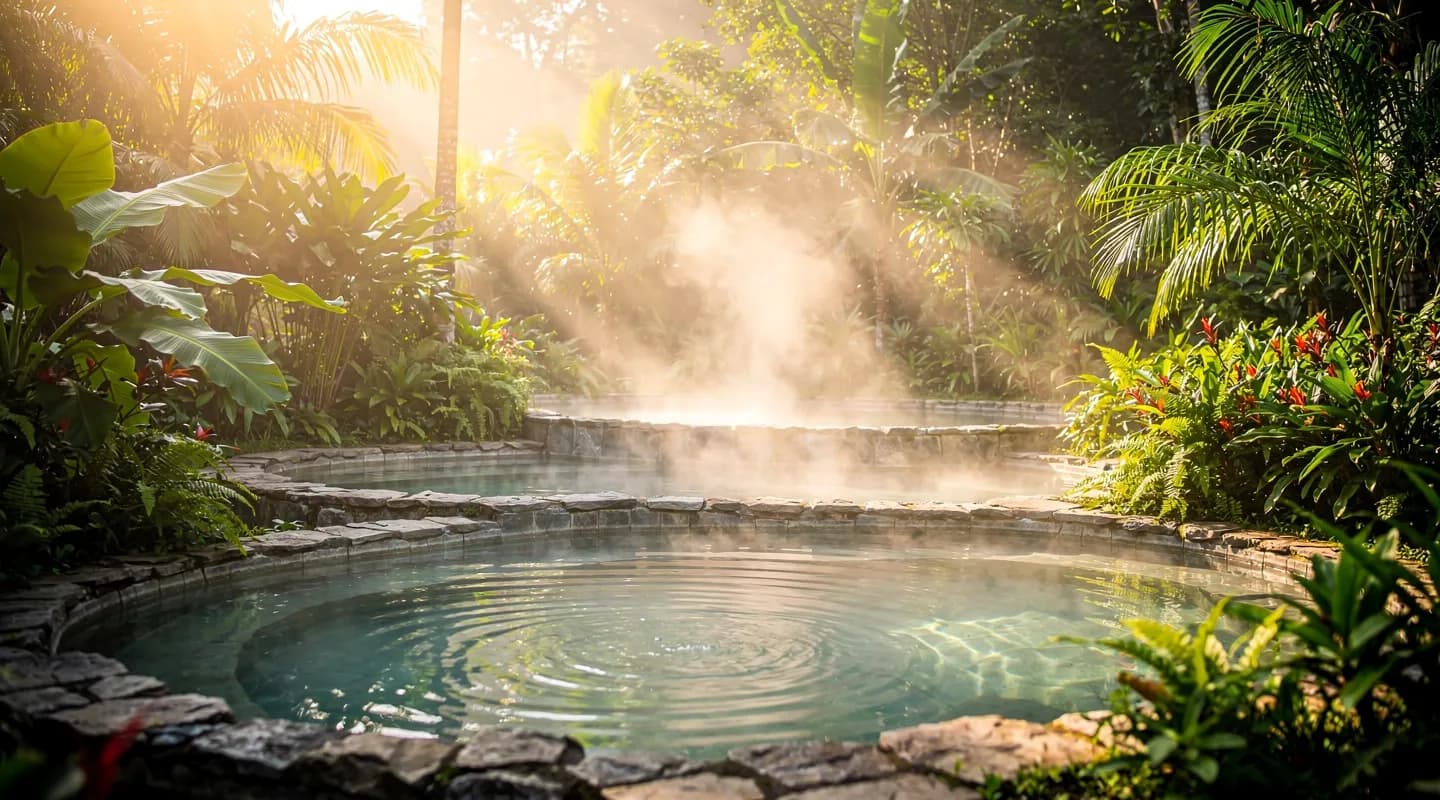
- Rivera, a small town known as the garden of Huila, where thermal springs bubble out of the hills and the evenings smell of orange blossom.
- San Agustín, in the green south, for the statues, the canyon of the Magdalena and horseback rides between archaeological sites.
- Coffee country throughout — fincas around Garzón, Pitalito and Palestina welcome visitors for tastings that rival anything in the better-known coffee axis.
Each stop feels like a different country. Together they form one of the most complete travel experiences Colombia offers.
Why this matters to us
We didn't choose Huila by accident. When we searched for the place to build Phoenix Oasis — the world's first 100% women-only sports and transformation retreat center, now under construction in Rivera and opening June 30, 2028 — we were looking for land that could hold both intensity and softness. Thirty hectares with six waterfalls, three freshwater springs and a thermal spring, in a region where nature itself seems to practice the art of transformation: desert into starlight, mountain into river, stone into story.
Huila is a place that rewards the traveler who shows up before the crowds do. It asks a little more effort and returns it several times over — in silence, in landscapes, in the feeling of discovering something real. That is exactly the spirit we want your future stay to begin with: the decision to go where your growth actually happens, not where everyone else already is.
The region is rising. The question is whether you'll meet it on the way up.
Curious what a transformative stay in the heart of Huila will look like? Explore our planned retreat programs and start imagining your own arrival.

 Colombia & Surroundings