 Foundation
Why the Social Work Is a Foundation, Not a CSR Department
A separate legal entity is slower, costlier and harder to control. That is the argument for it — and the reasons a foundation can fail just as easily.
5 min read

Foundation
Phoenix Initiative4 min read
A project that arrives in a rural area always brings the same promise with it, usually in the form of a number: jobs. It is the easiest thing to say and the hardest thing to be held to, because by the time anyone checks, the number has been quietly redefined — a week of day labour counted the same as a career.
So this article contains no number. Phoenix Initiative Colombia has not hired anyone. Not one contract has been signed, not one position filled, not one training place taken. Phoenix Oasis, the retreat centre being built at Rivera in Huila, will open on 30 June 2028, and the whole employment story is ahead of us.
What follows is the set of rules the project intends to hire by. They are being published early on purpose. Commitments made before there is any pressure to bend them are the only ones worth anything.
Every hiring decision looks reasonable at the moment it is made. It is only in aggregate, a year in, that a pattern becomes visible: the skilled roles all went to people who arrived with the project, the local jobs were all seasonal, the women were all in cleaning and the men were all in construction. Nobody decided that. It simply happened, one reasonable decision at a time.
The way to avoid it is to write the constraints down before the first decision, in a document that outlives the person making it.
These are two different labour markets and they should be spoken about separately, because conflating them is how projects inflate what they offer.
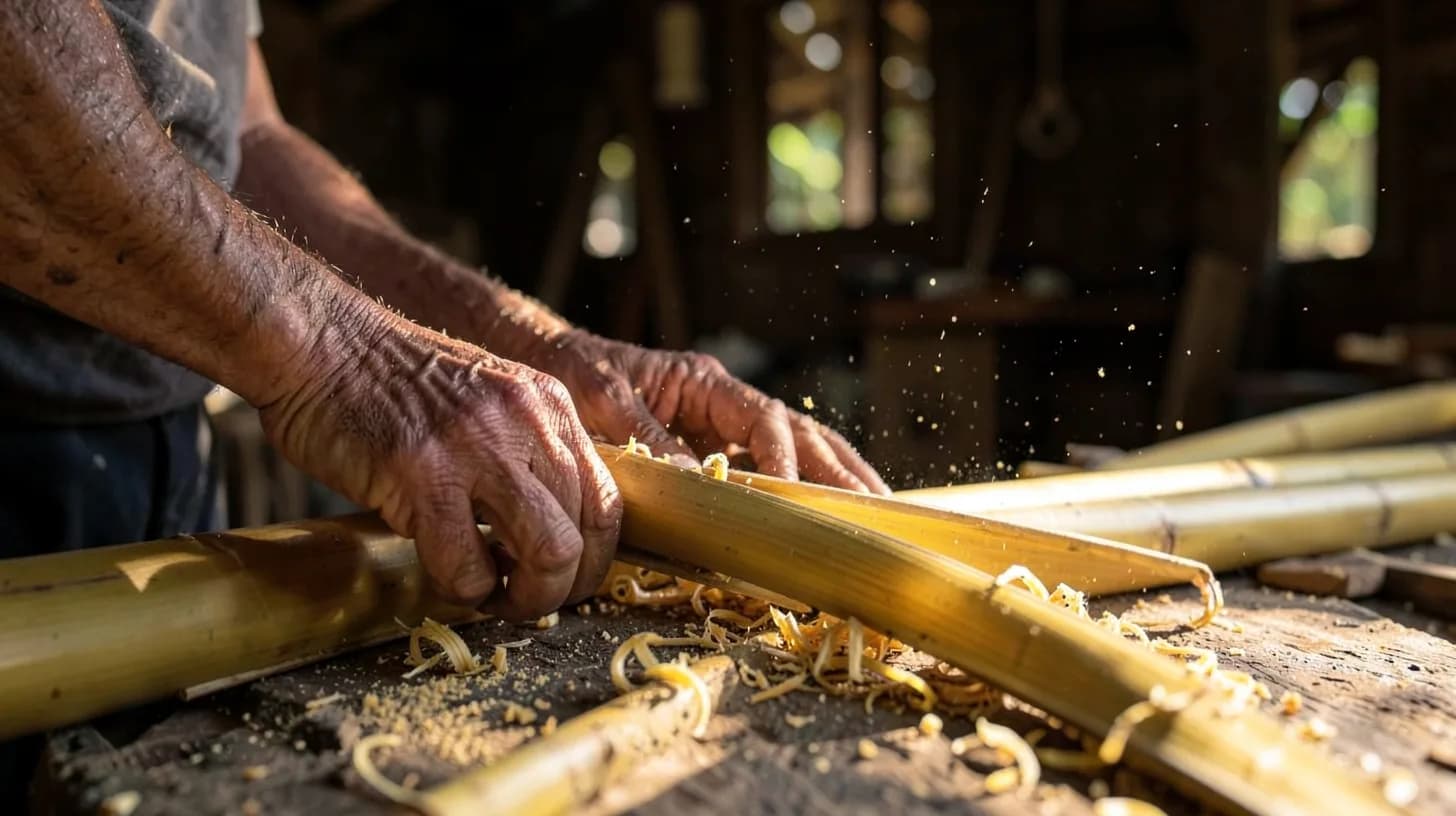
Construction work is intense, skilled and finite. It ends. Treating a building phase as if it were lasting local employment is a familiar sleight of hand, and the honest framing is the opposite: a construction phase is a chance to leave behind skills and certified experience that outlast the site. Guadua, wood and volcanic stone — the materials planned for the eco bungalows — sit inside a real Colombian building tradition, and working with them is a transferable craft, not a temporary task.
Operation is the longer story: hospitality, maintenance, kitchen, grounds, training. Different skills, different seasonality, and the phase where a project either becomes part of a local economy or remains a compound with a gate.
Rural employment schemes have a predictable set of blind spots, and naming them in advance is cheaper than discovering them later.
Women with young children are excluded by shift patterns rather than by policy. People without transport are excluded by geography. Those without a formal work history are excluded by recruitment habits that reward paperwork over capability. Older workers are excluded by assumptions nobody says out loud.
The intention is to design against each of those: schedules planned around school hours where the role allows, transport considered part of the job design rather than the employee's private problem, and recruitment that tests what someone can do rather than what they can document.
Not "jobs created." That phrase will not appear.
The plan is to report the number of people employed with their status — permanent, fixed-term, construction phase — the proportion who are from the municipality and the department, the distribution of women across pay categories rather than across the total, and how many people moved from a training place into a paid role. Uncomfortable distributions will be published as they are.
Here is the honest measure of whether any of this worked, and it will not be available for years: when someone leaves the project, do they leave with more than they arrived with? A certificate that means something elsewhere, a skill, a formal work history, a reference.
Phoenix Oasis will open on 30 June 2028. Every commitment above concerns a future that has not started yet, and each one is written in a form that can be checked against reality later. That is the point of publishing it now — the mission and its commitments are set out on the foundation page.
FoundationA separate legal entity is slower, costlier and harder to control. That is the argument for it — and the reasons a foundation can fail just as easily.
5 min read
 Foundation
Most programmes lose single mothers at the timetable, not at the door. The Foundation intends to design around care work from the first sketch.
5 min read
 Foundation
Not a tournament, not a launch event. A design for recurring open days in Rivera — and an honest list of the ways this kind of thing usually fails.
5 min read