The heat arrives before the city does. You step off the plane at Benito Salas airport, forty-five minutes out of Bogotá, and the air is a physical event — thirty-something degrees at four in the afternoon, and thick with it. Half an hour earlier you were in a capital at 2,640 metres wearing a jacket. Now you are at 442 metres, on the floor of the upper Magdalena valley, and the jacket is already ridiculous.
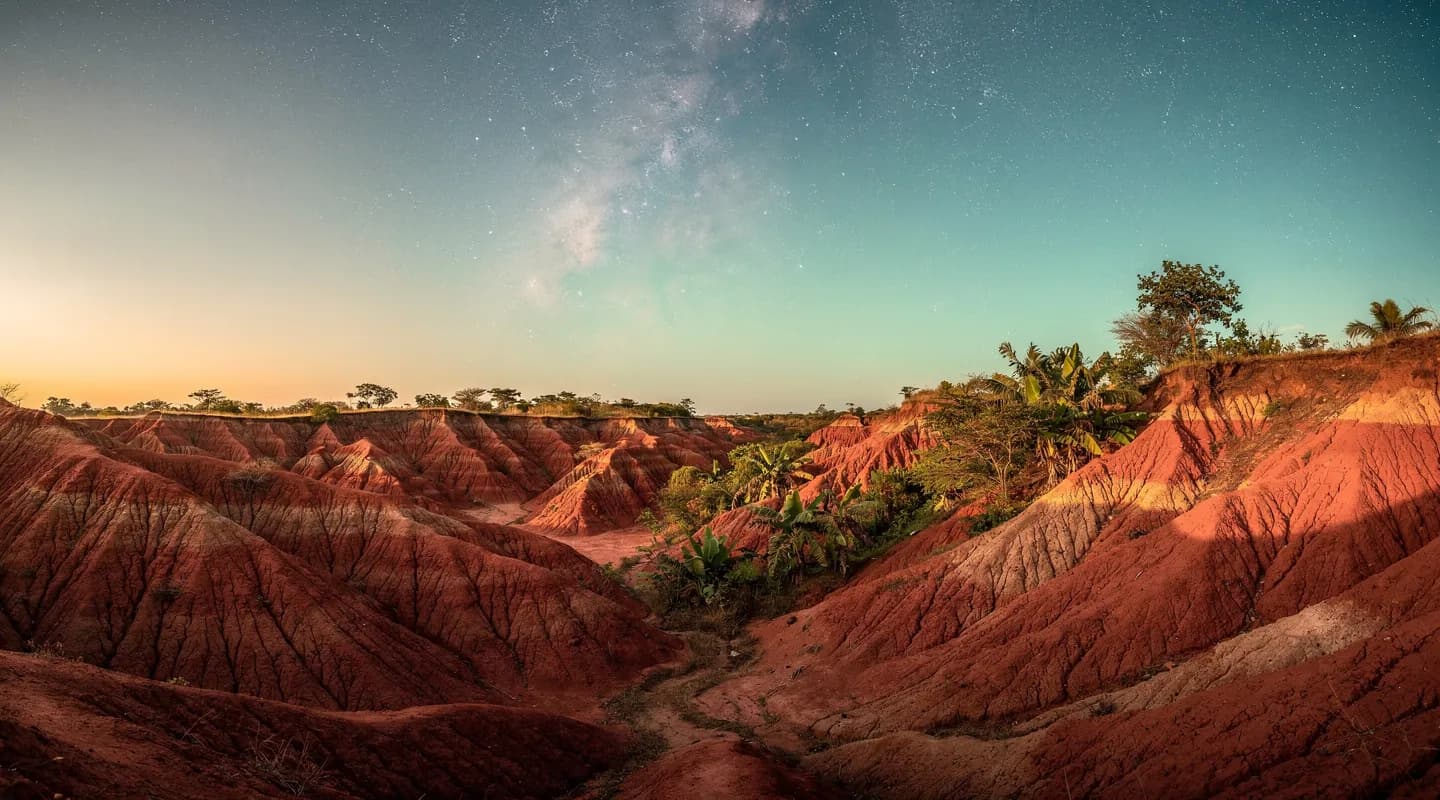
Most people treat Neiva as a corridor. They land, they find a car, they leave — for the Tatacoa desert two hours north, for San Agustín five hours south, for the thermal hills of Rivera twenty minutes down the road. That is understandable, and it is a small loss.
Neiva is not a beautiful city in the postcard sense. It is something more useful: an honest one, built on a river, in a heat that organises everything about how people live.
A city that took three attempts to exist
Neiva is older than it looks. The Spanish tried to found it in 1539, and again around 1550, and both attempts were destroyed by the Indigenous peoples of this valley, who did not intend to be settled upon. The city that survived was established in 1612 by Diego de Ospina y Medinilla, on the site it still occupies on the eastern bank of the Magdalena.
That history is not decorative. The resistance in this valley was serious and prolonged, and the memory of it sits in the middle of the city's self-image rather than at the edges. Huila does not present itself as a place that was simply taken.
What a river does to a city
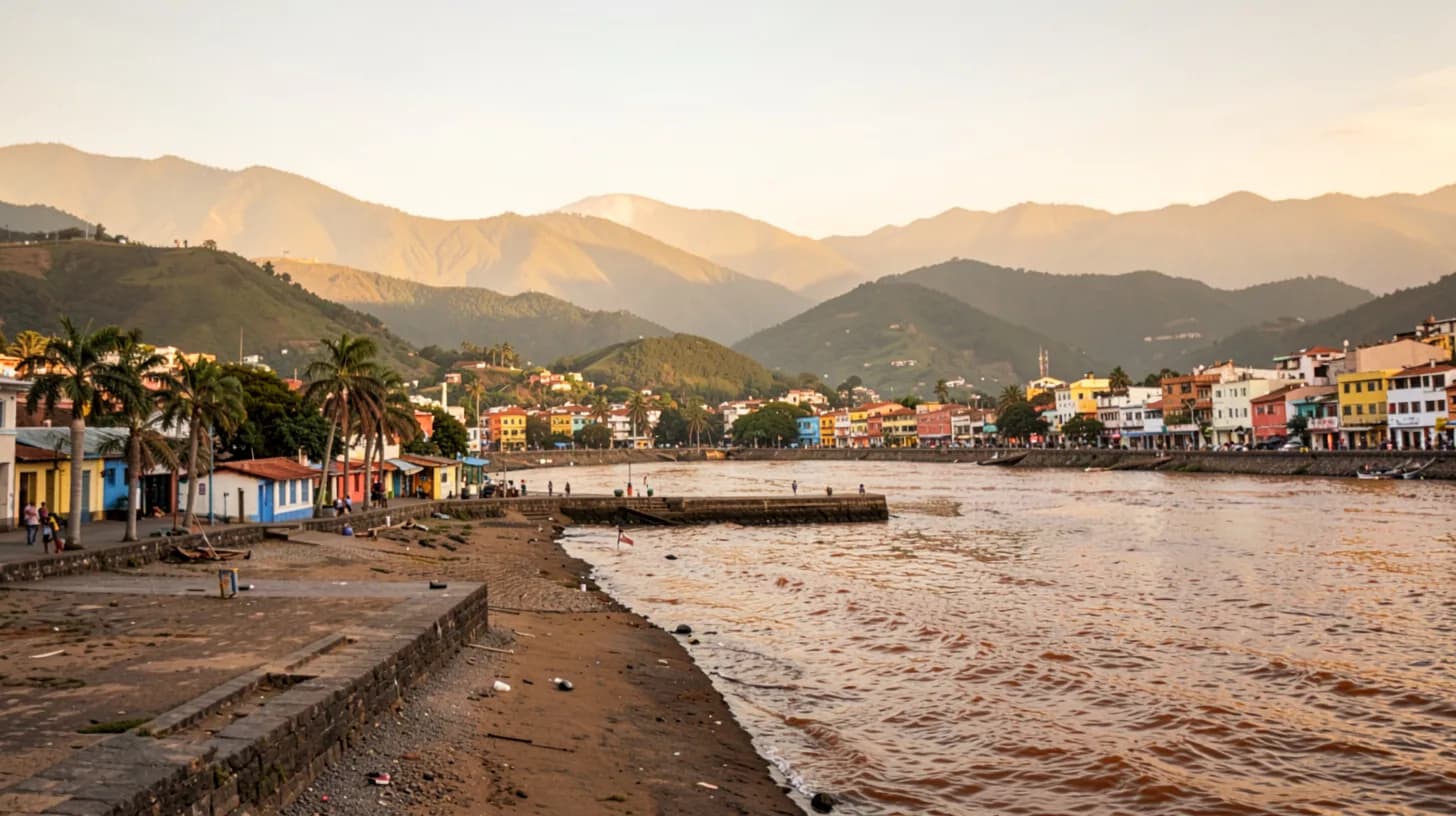
The Magdalena runs along Neiva's western flank, wide and brown and unhurried, carrying sediment down from the Colombian Massif — which begins inside this very department — towards the Caribbean, 1,528 kilometres away.
The malecón, the riverside walk, is where the city goes when the sun finally lets go. From about five in the afternoon the temperature becomes tolerable, then pleasant, and the whole social life of Neiva relocates outdoors: joggers, families with pushchairs, vendors with coolers of jugo de cholupa, teenagers doing nothing in particular with great commitment. Sit there for an hour and you will understand more about this region than any museum will tell you.
La Gaitana, in bronze, at the entrance
At the northern approach to the city stands one of Colombia's most striking public sculptures: the monument to La Gaitana, by Rodrigo Arenas Betancourt.
La Gaitana was a cacica — a chieftain — of the Yalcón people, who led an uprising against the conquistador Pedro de Añasco in 1539 after he had her son killed. The historical record is thin and partly legendary, and Colombian historians debate the details. What is not in doubt is what she means here: a woman who organised a coalition, fought a colonial force, and became the region's founding figure of refusal.
Arenas Betancourt's version is not gentle. It is a twisting, agonised, upward-driving bronze, and it is the first thing many visitors see. A department that chooses that as its welcome is telling you what it values.
Late June, if you can manage it
If you have any flexibility in your dates, aim for the last week of June. The Fiestas de San Pedro and the Festival Folclórico y Reinado Nacional del Bambuco take over Neiva completely: parades, rajaleña verse-singing, and above all the Sanjuanero Huilense, the dance that Huila regards as its signature — the women in vast embroidered skirts, the choreography precise to the centimetre after months of rehearsal in every town in the department.
It is loud, hot, crowded and genuinely local rather than staged for outsiders. Book accommodation early; the city fills.
Eat here before you go up
Neiva is where you should do your eating, because the flavours of Huila are concentrated in it:
- Asado huilense — pork marinated for hours and slow-roasted, the department's most famous dish, usually eaten late morning into afternoon.
- Tamal, wrapped and steamed in plantain leaves, the standard weekend breakfast.
- Achiras, small crisp baked biscuits made from sagú starch and cheese, a Huila speciality sold in every bakery and bus station.
- Quesillo, fresh cheese wrapped in a plantain leaf and tied with fibre, eaten with sweet bocadillo.
- Jugo de cholupa, made from the Huila passion fruit that carries its own protected designation of origin — tart, floral, and hard to find outside the department.
Drink more water than you think you need. The valley dehydrates people who are used to temperate climates, and the first day is always the hardest.
The doorway, and what lies beyond it
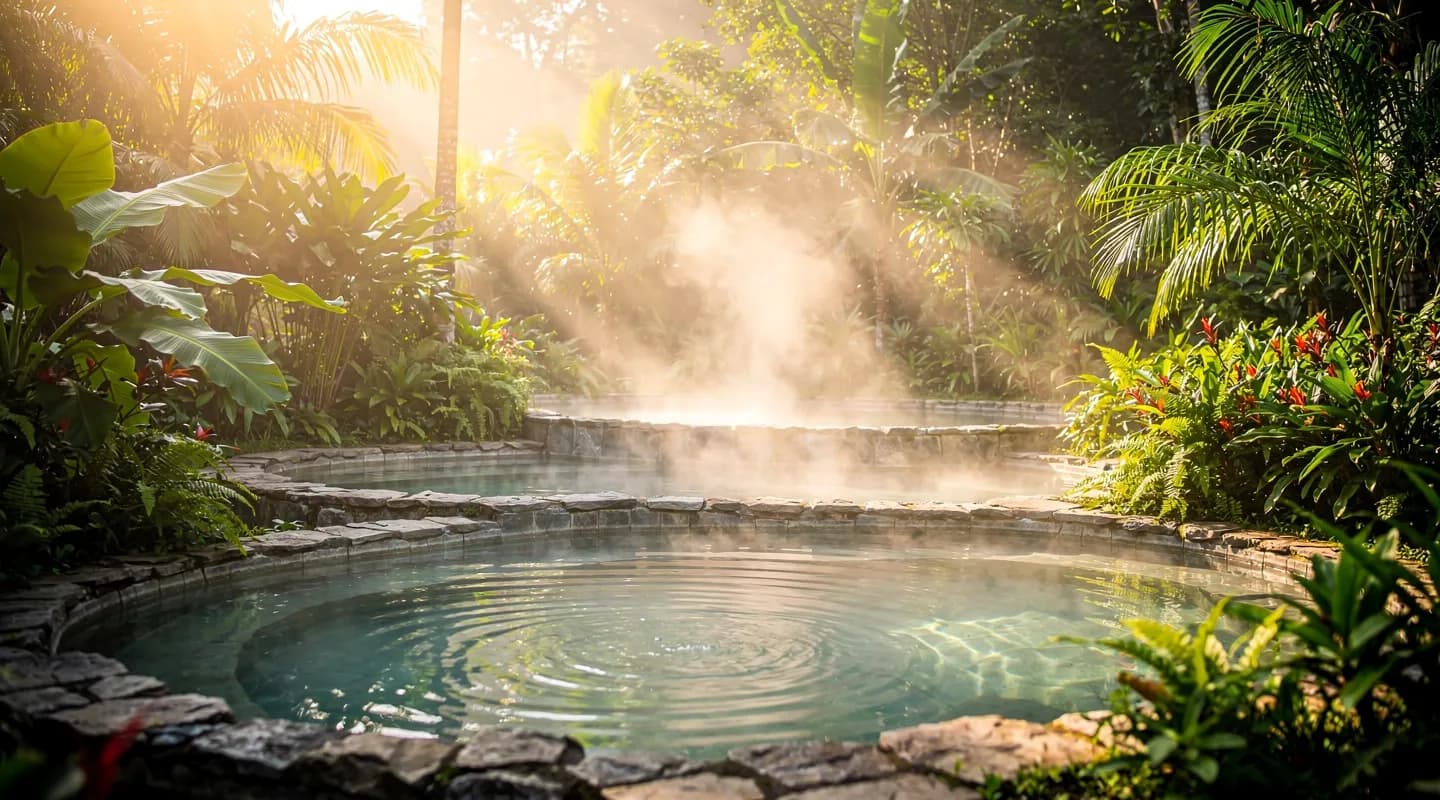
From Neiva, the region opens fast. Villavieja and the Tatacoa desert lie about two hours north; the Betania reservoir sits to the south; San Agustín and its megalithic statues are a long but spectacular drive into the green highlands. And twenty-one kilometres south, roughly half an hour, is Rivera — a small town of thermal springs known locally as the garden of Huila.
Rivera is where Phoenix Oasis is being built: thirty hectares that will open on 30 June 2028 as the world's first sports and transformation retreat centre exclusively for women. When it opens, most guests will arrive exactly the way you would — the flight from Bogotá, the wall of heat, the road south through sugarcane and rice.
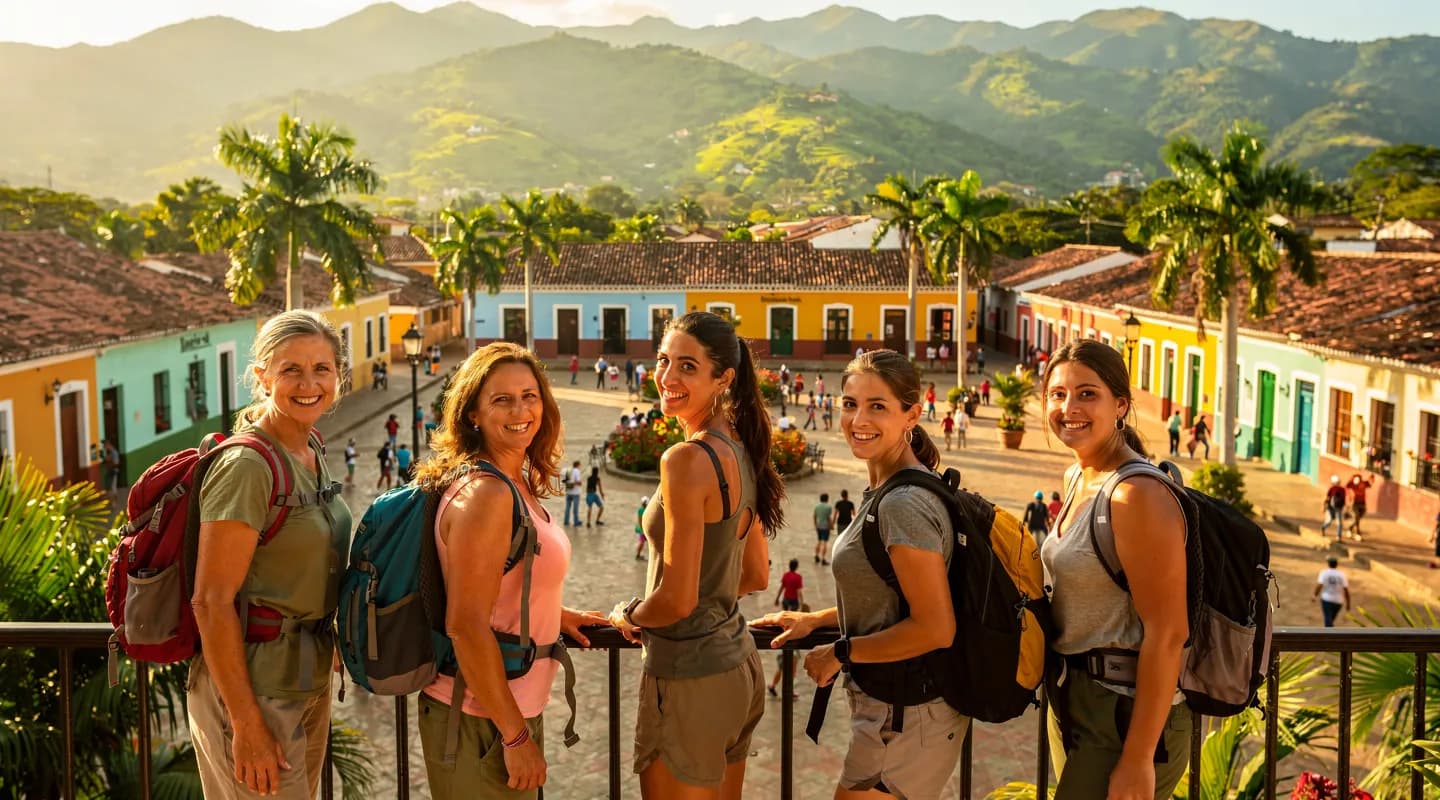
That arrival is deliberately part of it. You will not be delivered into a bubble. You will land in a real city, in a real valley, and travel the last half hour into the hills with the Magdalena somewhere behind you.
Give Neiva one evening on the way. The hills will still be there in the morning.

 Colombia & Surroundings