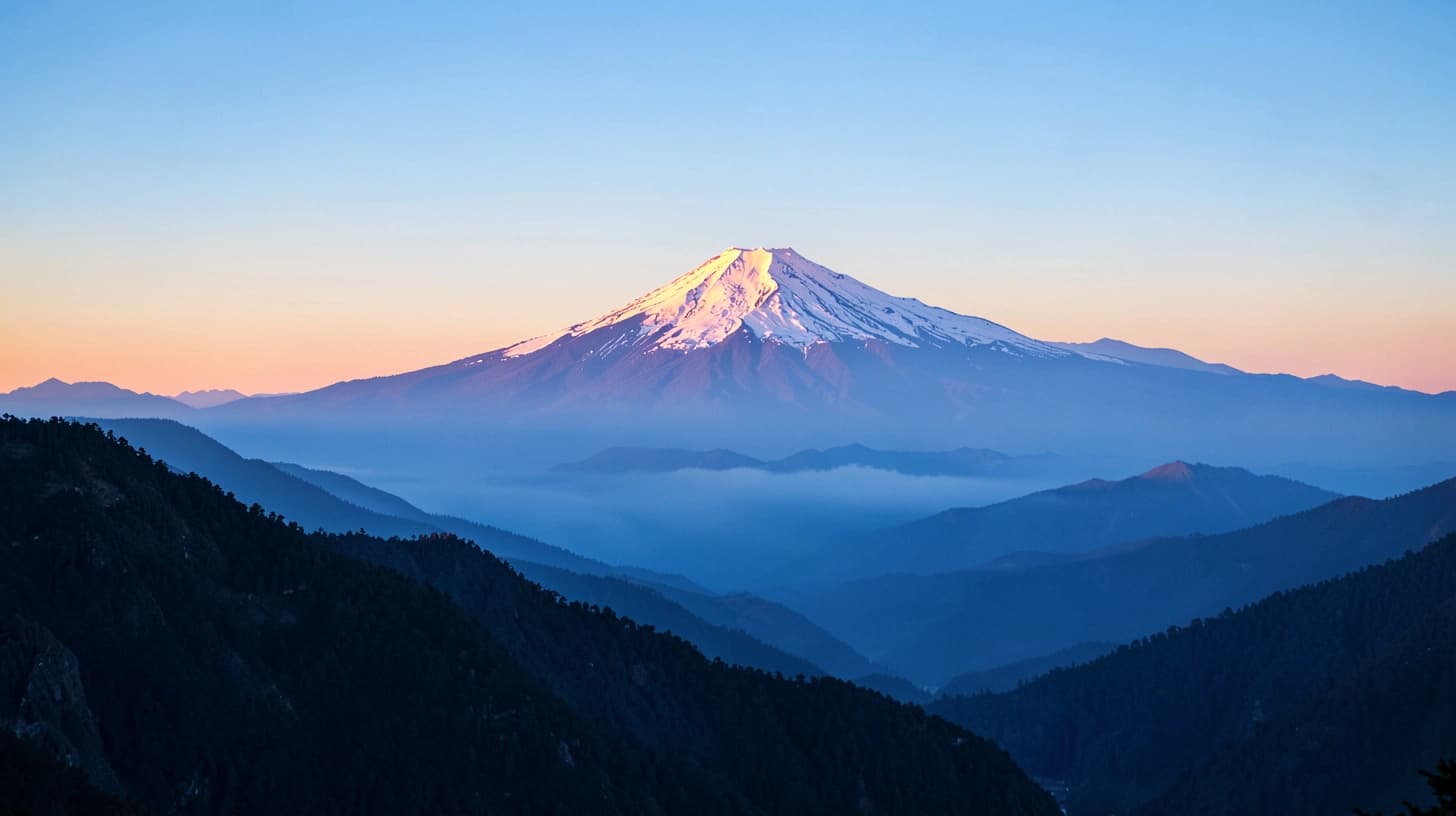
On a clear morning, from high ground in the upper Magdalena valley, looking west, you can sometimes see something that makes no sense two degrees from the equator: snow. It sits about ninety kilometres away, on a long ridge rising to 5,364 metres, and it belongs to the highest volcano in Colombia — Nevado del Huila.
The department and the mountain share a name, and a good deal of the region's geology. The volcano is also the reason that anyone writing about the hot water of Rivera reaches sooner or later for the word "volcanic". That instinct is broadly right and worth examining precisely, because the relationship between a distant snow-capped volcano and a warm spring in a valley is more interesting than a simple line from one to the other.
The mountain itself
Nevado del Huila is not a single cone but an elongated volcanic complex, a north–south ridge carrying several summits, the highest of them the tallest point of Colombia's Central Cordillera. It stands at the meeting point of three departments — Huila, Cauca and Tolima — and lies within a national park created to protect it, in a region that is largely Nasa indigenous territory.
Its summit carries a glacier, and that glacier is the crucial detail. At the beginning of 2007 the ice covered roughly eleven square kilometres. It has been shrinking for decades, like every tropical glacier in the Andes, and the events of the following two years accelerated the loss dramatically.
What happened in 1994, and then in 2007
The mountain has two modern reputations, and it earned them in different ways.
In June 1994, a strong earthquake with its epicentre in the Páez region shook these slopes. It did not erupt anything. What it did was collapse waterlogged soil off the mountainsides all at once, sending an enormous debris flow down the Páez River. Around a thousand people died, most of them from Nasa communities in the Tierradentro area. It remains one of the deadliest landslide disasters in Colombian history, and it happened without a single gram of new magma.
Then, after centuries of quiet, the volcano itself woke up. On 19 February 2007 it produced its first confirmed eruption in modern times, followed by another on 18 April 2007, and a larger event on 20 November 2008. These were not spectacular explosive eruptions in the Hollywood sense; the danger was of a different kind. Hot material met glacial ice, melted it, and sent lahars — fast-moving slurries of water, ash and rock — down the Páez valley again, damaging towns and forcing evacuations along the river.
Both stories teach the same lesson, which anyone who lives under a snow-capped volcano already knows: in the tropical Andes, the hazard is usually water, not lava.
Does it actually heat the springs at Rivera?
Here is where accuracy matters more than a good line.
Rivera sits on the other side of the valley, at the foot of the Eastern Cordillera, some ninety kilometres from the volcano. There is no underground pipe running from one to the other, and it would be wrong to say that Nevado del Huila heats Rivera's water in any direct sense.
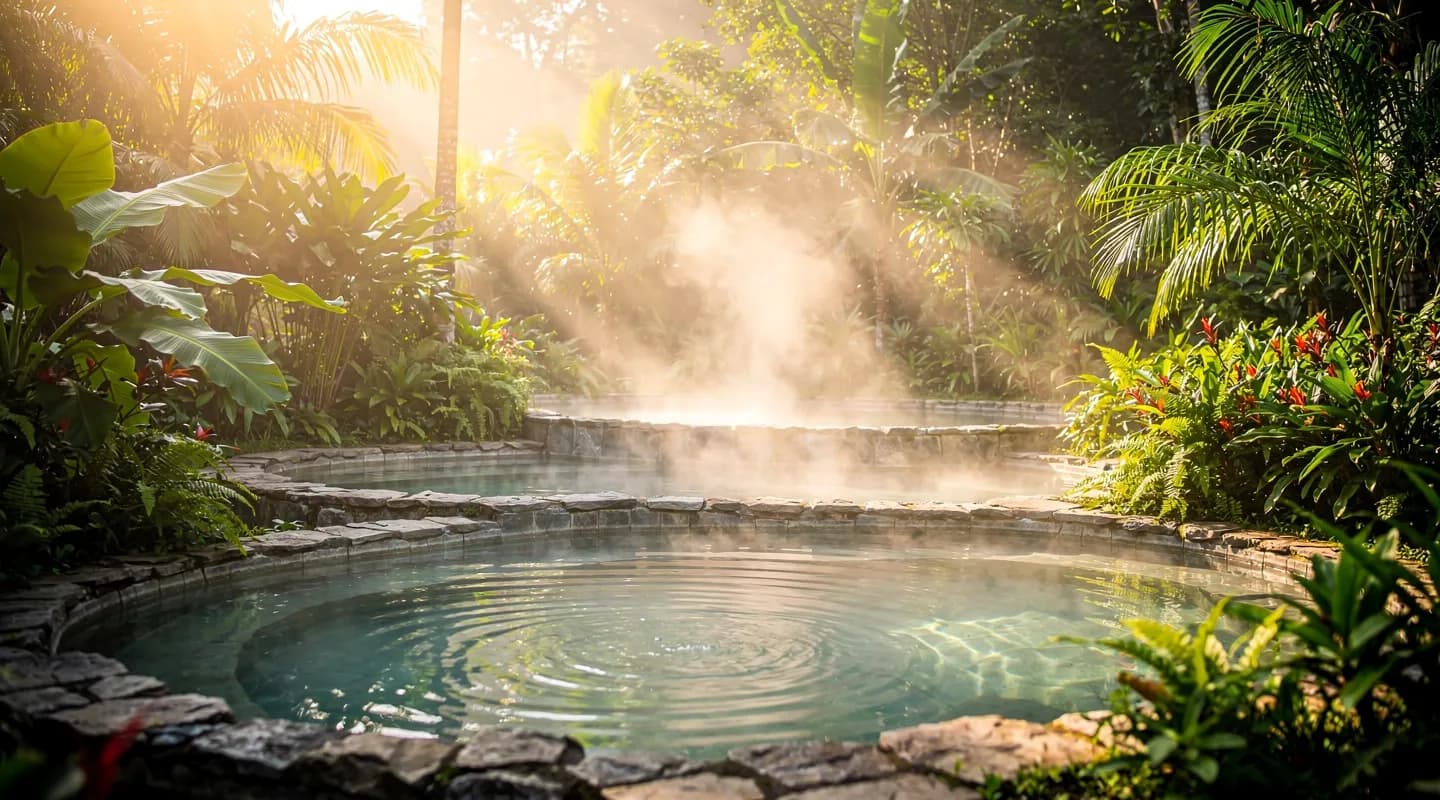
What is true is the shared cause behind both. This whole region sits in a tectonically active corridor where the earth's crust is fractured by deep faults and where heat from below reaches nearer to the surface than it does under a stable plain. Rainwater seeps down along those fractures, sometimes to considerable depth, warms against hot rock, dissolves minerals on the way, and returns to the surface as a thermal spring. The volcano and the spring are two different expressions of the same restless geology — cousins rather than parent and child.
That is a less tidy story than "the volcano heats the springs", and a more accurate one. It also explains why thermal water appears in several parts of Huila and not only near the peaks.
Living beside a monitored volcano
Colombia takes its volcanoes seriously. Nevado del Huila is watched continuously by the national geological service, from the volcanological observatory in Popayán, with seismometers, deformation instruments and gas measurements feeding a public alert-level system that anyone can consult online. Communities along the Páez have evacuation routes and drills, and the 2007 and 2008 events were, from a civil-protection standpoint, a demonstration that monitoring works: people moved before the lahars arrived.
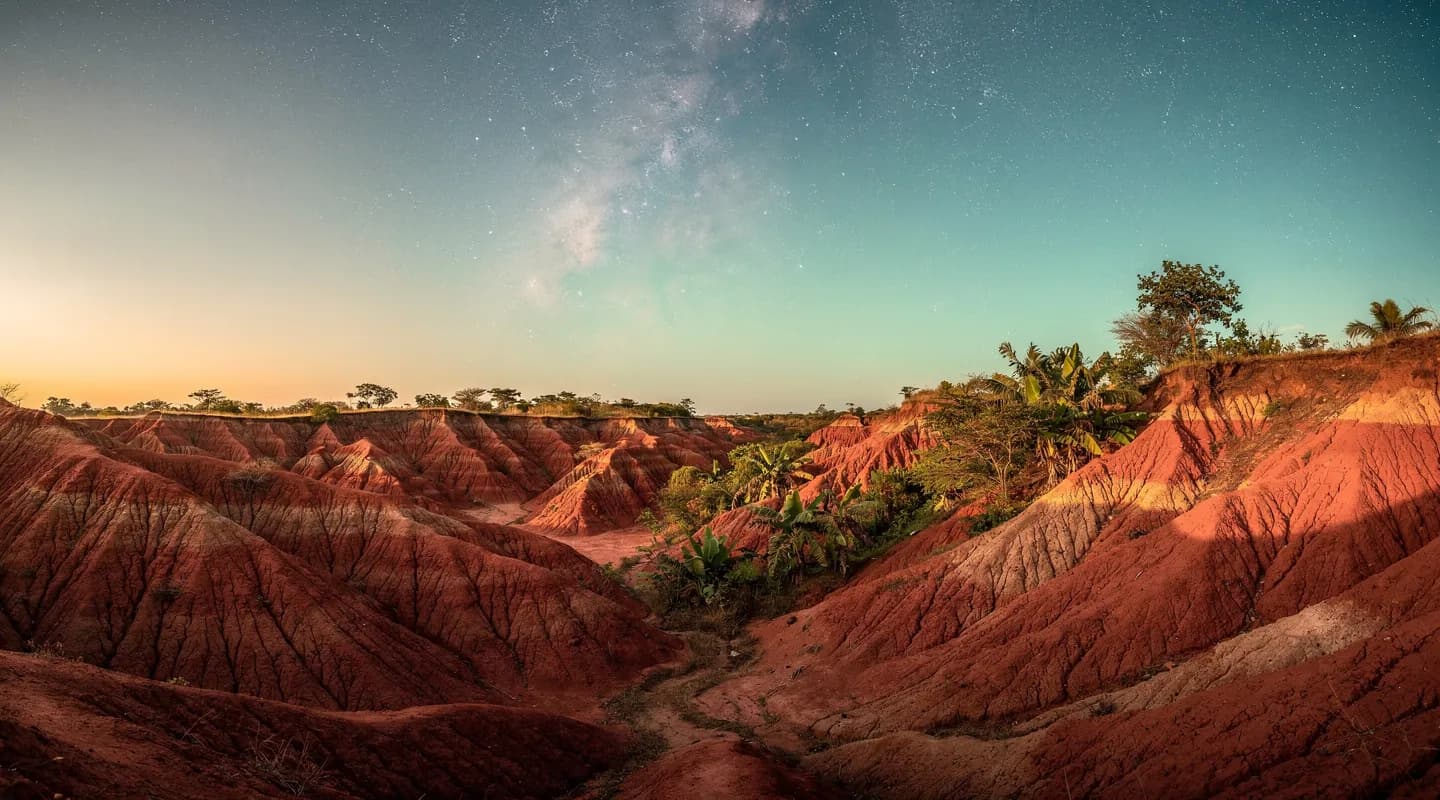
For a traveller in Rivera or Neiva, the practical implications are essentially nil. The valley is far from the hazard zones, which follow the river drainages on the volcano's own flanks. What the mountain gives the valley is not risk but heat, minerals, and some of the most fertile volcanic soils in the country.
Seeing it, and not climbing it
Do not plan an ascent. Access to the summit area is restricted for volcanic-risk reasons and much of the surrounding territory is indigenous land with its own protocols. This is not a peak to be collected.
What you can do is watch for it. From high roads on the western side of the valley, early in the morning before the cloud builds, the ridge occasionally shows itself — white, improbable, and gone again by ten o'clock.
The valley below
Phoenix Oasis will open on 30 June 2028 on 30 hectares near Rivera, on land the project describes as holding six waterfalls, three freshwater springs and one thermal spring. That thermal water is the local face of everything described above: rainfall that fell on these mountains, went down, got warm, and came back.
The centre is still under construction, and the geology it is being built on will outlast every plan drawn for it. Understanding where the warm water actually comes from feels like the right way to arrive somewhere — knowing what you are standing on.
More on the region in the Journal, and on the future stays on the retreats page.

 Colombia & Surroundings