 Training
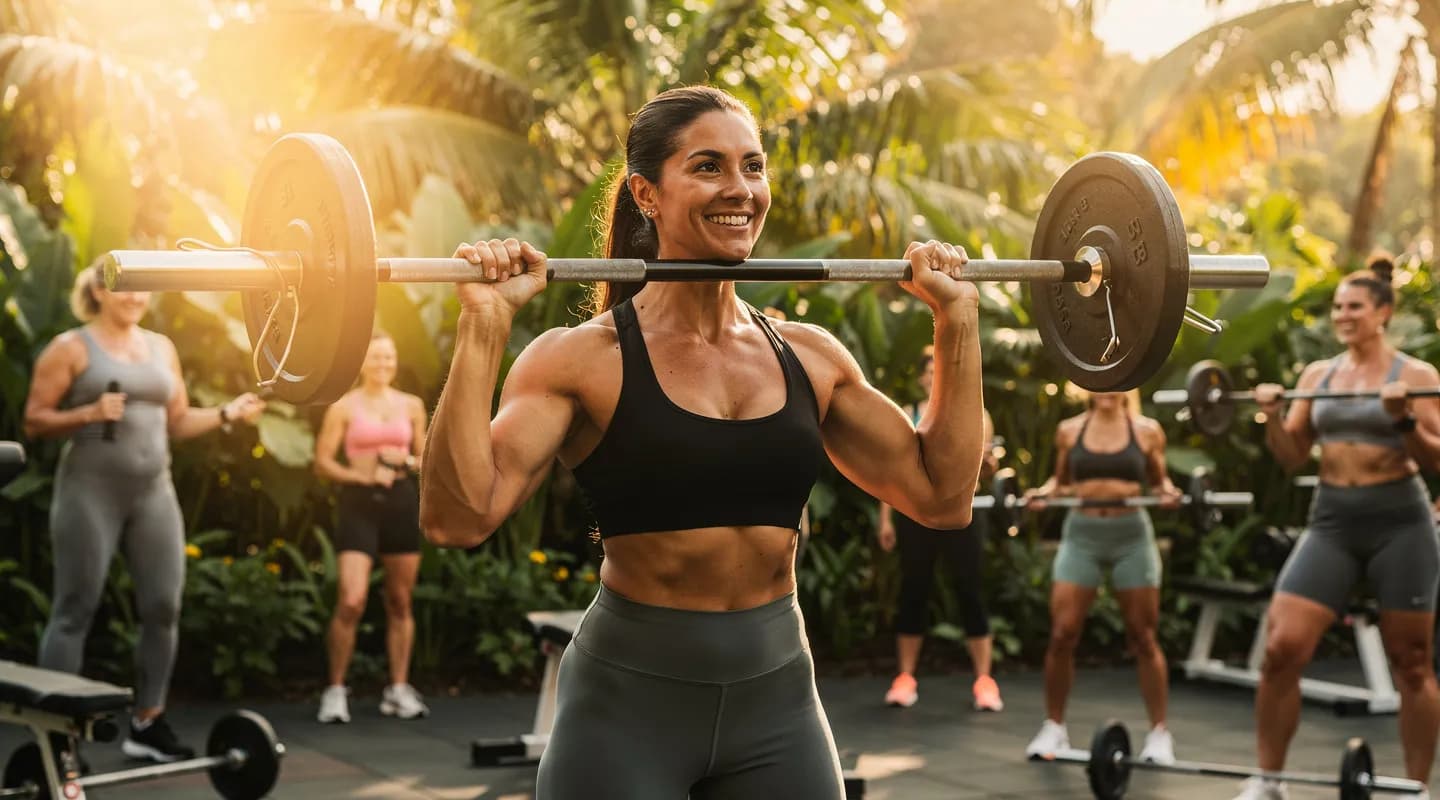
Strength Training Myths That Hold Women Back
You won't get bulky, heavy weights are not dangerous, and it is never too late to start. Let's dismantle the myths keeping women away from the barbell, one by one.
5 min read

Training
Phoenix Initiative4 min read
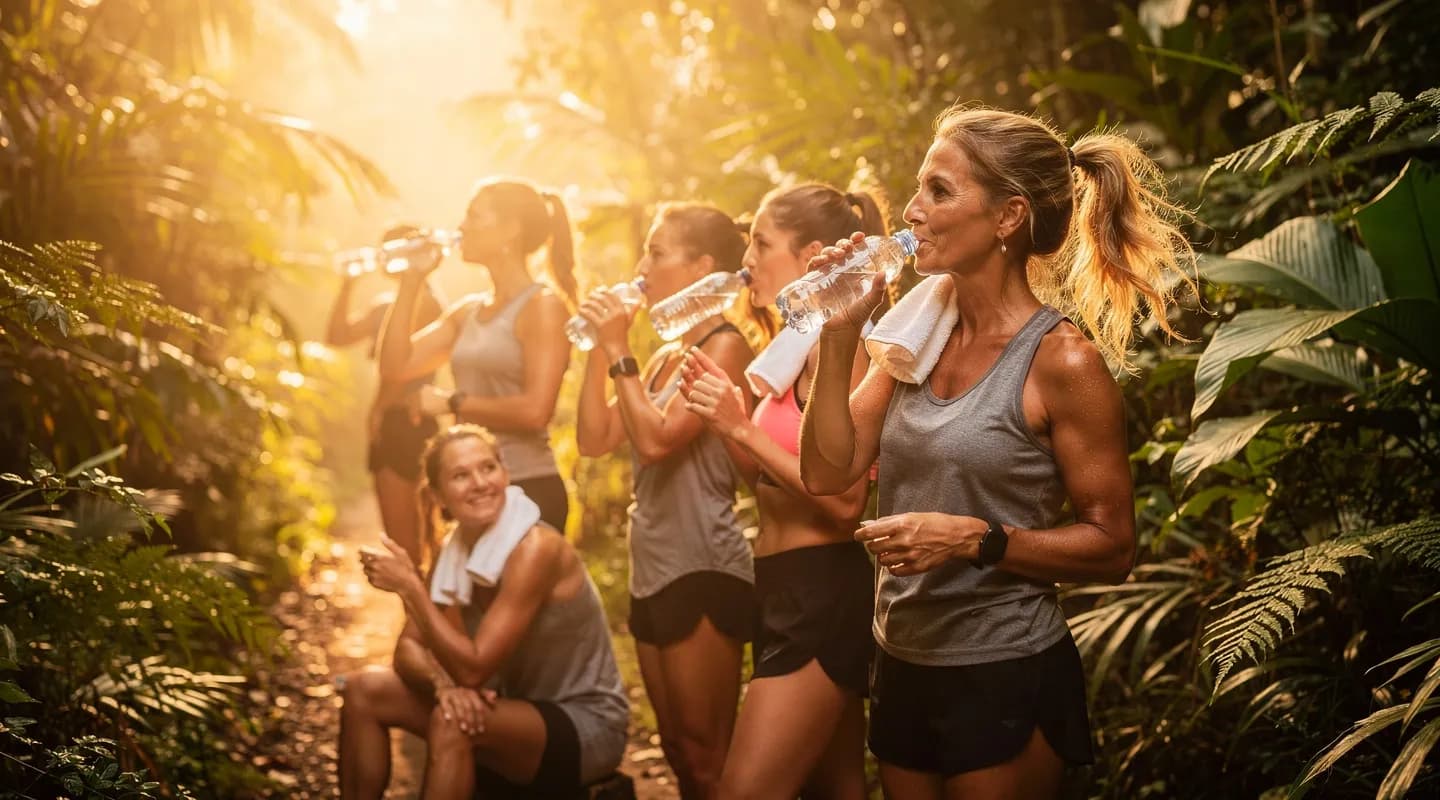
There is a particular moment every traveler knows: you step off the plane somewhere tropical, the air wraps around you like a warm towel, and you think — how does anyone run here? The answer is: differently, and often beautifully. Training in a tropical climate is not harder in some vague, discouraging way. It follows specific rules, and once you know them, the tropics can become one of the most rewarding places to move your body — sunrise sessions, green mountains, air full of birdsong. This is your guide to working with the climate instead of against it.
When you exercise, your muscles produce heat, and your main cooling system is sweat evaporating off your skin. Here is the catch: in humid air, sweat evaporates slowly. You still sweat — often more — but you cool less. Your body compensates by sending more blood to the skin, which means your heart works harder at any given pace. That is why your easy jog suddenly feels like tempo effort at the same speed.
This is not weakness. It is physiology, and it affects everyone from beginners to elite athletes. The practical consequences:
In the tropics, the difference between training at 6 a.m. and 11 a.m. is the difference between a glorious session and a survival exercise. The sun's intensity, air temperature and humidity all peak through the middle of the day.
The golden windows are early morning and late afternoon into dusk. Take the region around Huila in southern Colombia, where our Phoenix Oasis site is under construction: near the equator, the sun rises around six every morning, year-round. Dawn brings the coolest, freshest hours — mist on the mountains, temperatures at their daily low — and it is exactly when locals walk, run and work the land. An equatorial rhythm worth copying: move early, rest and eat lightly through the hottest hours, and if you train twice, save the second, gentler session for the hour before sunset. There is a reason a siesta culture exists across the tropics — it is climate intelligence, not laziness.
In tropical conditions you can lose well over a liter of fluid per hour of vigorous exercise. The mistake most people make is starting to drink only when they are already thirsty and depleted.
A simple protocol that works:
One warning worth taking seriously: drinking enormous volumes of plain water while sweating heavily can dilute your sodium levels. More is not always better — regular and balanced is better.
Here is the most encouraging fact in heat science: your body adapts, and it adapts fast. Over roughly 10 to 14 days of regular, moderate exercise in the heat, you start sweating earlier and more efficiently, your blood plasma volume expands, your heart rate at a given effort drops, and the same session that wrecked you on day two feels manageable.
The protocol is simple: for your first two weeks in a tropical climate, deliberately reduce intensity and duration — think 60–70% of your normal training — and let the adaptations come to you. Rushing this phase is the classic new-arrival mistake. Respecting it is the 1% philosophy applied to climate: small, patient daily exposures that compound into a body that genuinely thrives in the heat.
Heat illness is rare when you train sensibly, but every woman exercising in the tropics should know the escalation: heavy fatigue, headache, goosebumps or chills during exercise, dizziness, nausea, or confusion. If any of these appear, stop, find shade, drink, and cool your skin with water. Feeling lightheaded is not a test of character — it is data. The strong move is the early exit and a better-planned session tomorrow.
Once you respect its rules, a tropical climate gives back generously: sunrise workouts in extraordinary light, an environment that forces genuine hydration and recovery habits, and the quiet satisfaction of a body that has learned to work with nature rather than against it. That partnership is exactly what we are designing at Phoenix Oasis in Rivera, Huila — where morning training will meet mountain air, waterfalls and springs across 30 hectares built for women. See how the stays are planned to picture your own sunrise session there.
TrainingYou won't get bulky, heavy weights are not dangerous, and it is never too late to start. Let's dismantle the myths keeping women away from the barbell, one by one.
5 min read
 Training
You do not get stronger during workouts — you get stronger recovering from them. Sleep, thermal water, active rest and deload weeks are training. Here is how to do them well.
5 min read
 Training
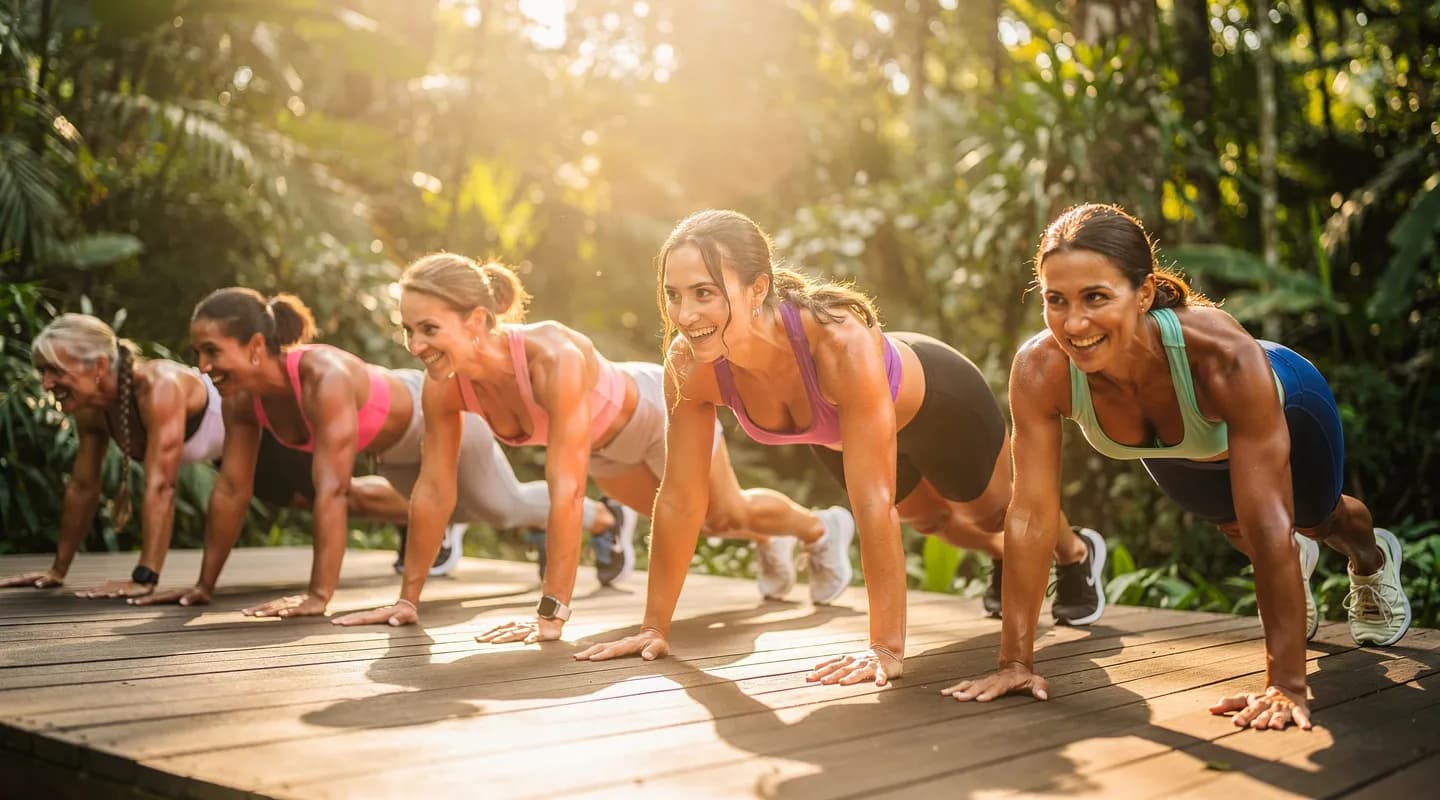
New to interval training? Here is what HIIT actually is, why form comes before intensity, and how to build a realistic routine you can sustain without burning out.
4 min read