 Foundation
Why the Social Work Is a Foundation, Not a CSR Department
A separate legal entity is slower, costlier and harder to control. That is the argument for it — and the reasons a foundation can fail just as easily.
5 min read

Foundation
Phoenix Initiative5 min read
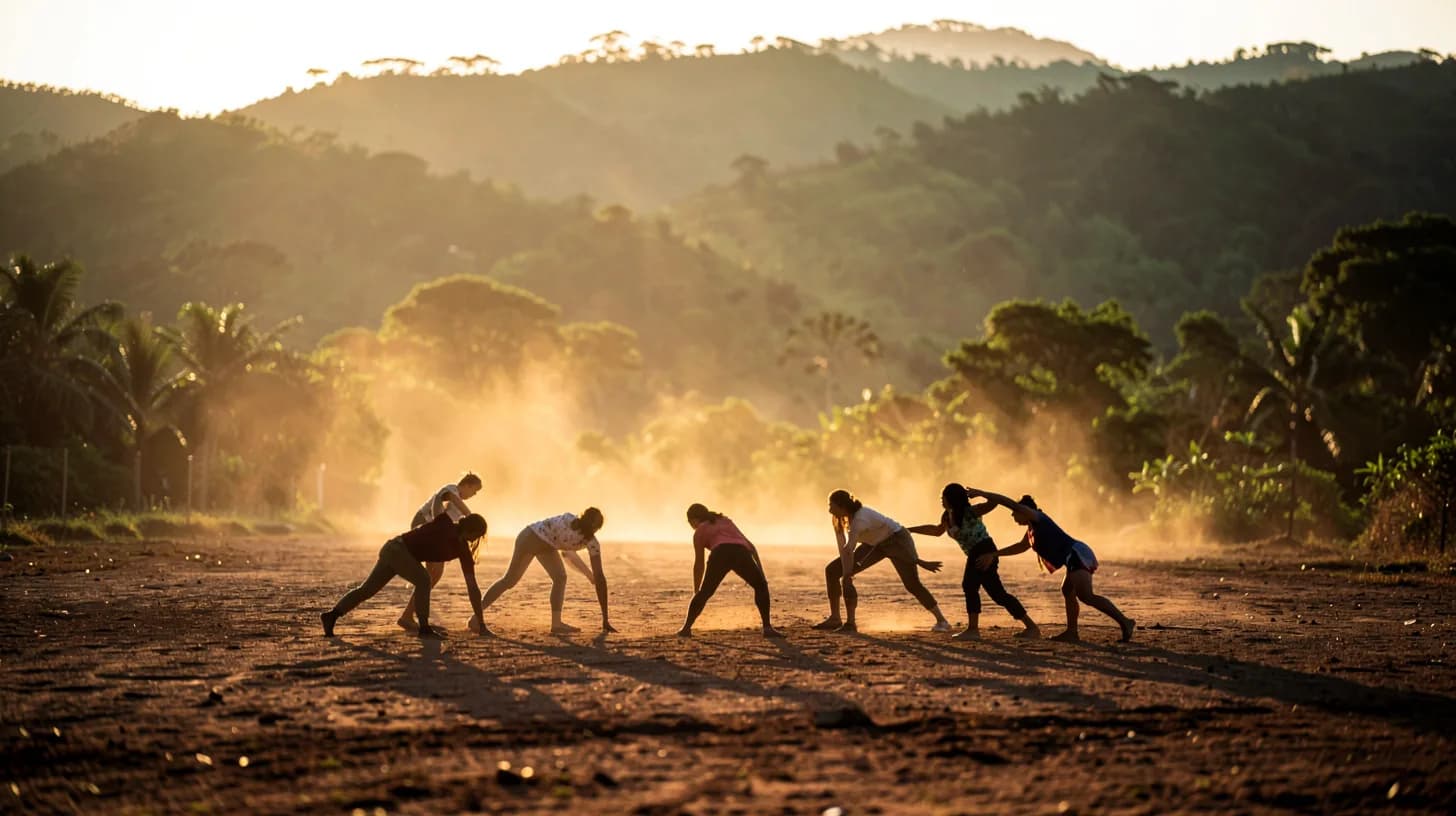
Every community sports programme faces the same quiet test, and it does not come on launch day. It comes eighteen months later, when the funding cycle turns, the visiting instructor moves on, and someone has to decide whether Tuesday evening still happens. Programmes that pass that test have one thing in common: the people running them live nearby.
Phoenix Initiative Colombia, the foundation attached to the future Phoenix Oasis in Rivera, Huila, has not yet trained a single coach. No course has run, no participant has enrolled, nothing has been delivered. What exists at this stage is a design decision, taken early and stated publicly: the coaching will be local, it will be women, and the training of those coaches will not be an afterthought bolted on once the programme is popular.
This article explains what that decision means in practice, and why it is being made before anything else.
Bring in an instructor and you can run sessions. Train someone from the town and you can run sessions after the instructor leaves — and, eventually, sessions you never planned, in places you were never invited.
That difference is the whole game. A visiting coach produces attendance; a local coach produces capacity. The first can be counted immediately, which is exactly why so many projects stop there. The second takes years to show up and then keeps compounding, because coaches train coaches. It is the same arithmetic that runs through everything at Phoenix: small, repeated additions that look modest for a long time and then become the thing itself.
There is a second reason the coaches should be women. In most of the world, coaching remains a role where women are markedly underrepresented, and the effect on who feels welcome in a sports space is not subtle. A woman leading a warm-up in a small town is doing two jobs at once: running the session, and quietly widening the definition of who gets to lead one.
The word suggests technique, and technique is the smallest part of it.
A community coach plans a session that works for mixed ability without humiliating anyone. She keeps a register and notices who stopped coming, then finds out why. She manages a space, a schedule and equipment that always seems to be missing something. She sets the tone that decides whether a beginner comes back. She knows what to do when someone turns an ankle, and — just as importantly — knows where her competence ends and a health professional's begins.
Very little of that is taught by playing a sport well. All of it can be taught deliberately, which is what a coaching curriculum is for.
The plan is a course built in modules rather than a single intensive week, because skills that are taught once tend to leave with the certificate.
The intended modules are practical: session design and progression; leading groups of mixed age and ability; basic movement literacy and safe technique; first-response basics and the clear limits of a coach's role; safeguarding; the administrative side of keeping a group alive — registers, schedules, communication, small budgets.
Where recognised credentials already exist, the intention is to route towards them rather than invent a private certificate that means nothing outside the project. Colombia has public vocational training infrastructure — SENA, the national training service, offers free programmes across the country — and national and departmental sports bodies run their own accreditation paths. A certificate that a woman can put on a CV and use elsewhere is worth more than a badge that only counts inside our own programme. If she leaves us for a better job, the training worked.
This one is worth saying plainly, because it is where a lot of community sport quietly fails.
Coaching a weekly group is work. It takes preparation, travel, and hours that could have gone to earning. Asking women — often the ones with the least spare time in a household — to provide that work indefinitely for free is not community spirit; it is a subsidy flowing in the wrong direction, and it selects for whoever can afford to donate their evenings.
The commitment is that coaching roles created through the foundation will be paid roles, on proper terms, with the training provided at no cost to the woman taking it. Where a volunteer stage exists, it will be short, honest about what it is, and it will lead somewhere.
Any programme working with young people and women in a small town has to answer safeguarding questions before it opens, not after an incident forces the conversation.
The intention is that no session runs before there is a written code of conduct, a named person to report to who is not the coach, clear rules on adult-minor contact and communication, and a documented process for complaints — including complaints about the foundation itself. Training on all of it will be part of the coaching course, not a form signed once and filed.
It means the coaching course is not a later phase. It means the first budget line for sport is training people, not buying equipment. And it means accepting a slower opening, because a programme designed to outlast us cannot begin with a shortcut.
Phoenix Oasis will open on 30 June 2028, and the retreat and the foundation share one conviction: strength that depends on someone else showing up is not strength yet. Nothing described here has happened, and when it does you will be able to check it against what was promised — the mission and its commitments live on the foundation page.
FoundationA separate legal entity is slower, costlier and harder to control. That is the argument for it — and the reasons a foundation can fail just as easily.
5 min read
 Foundation
Most programmes lose single mothers at the timetable, not at the door. The Foundation intends to design around care work from the first sketch.
5 min read
 Foundation
Not a tournament, not a launch event. A design for recurring open days in Rivera — and an honest list of the ways this kind of thing usually fails.
5 min read