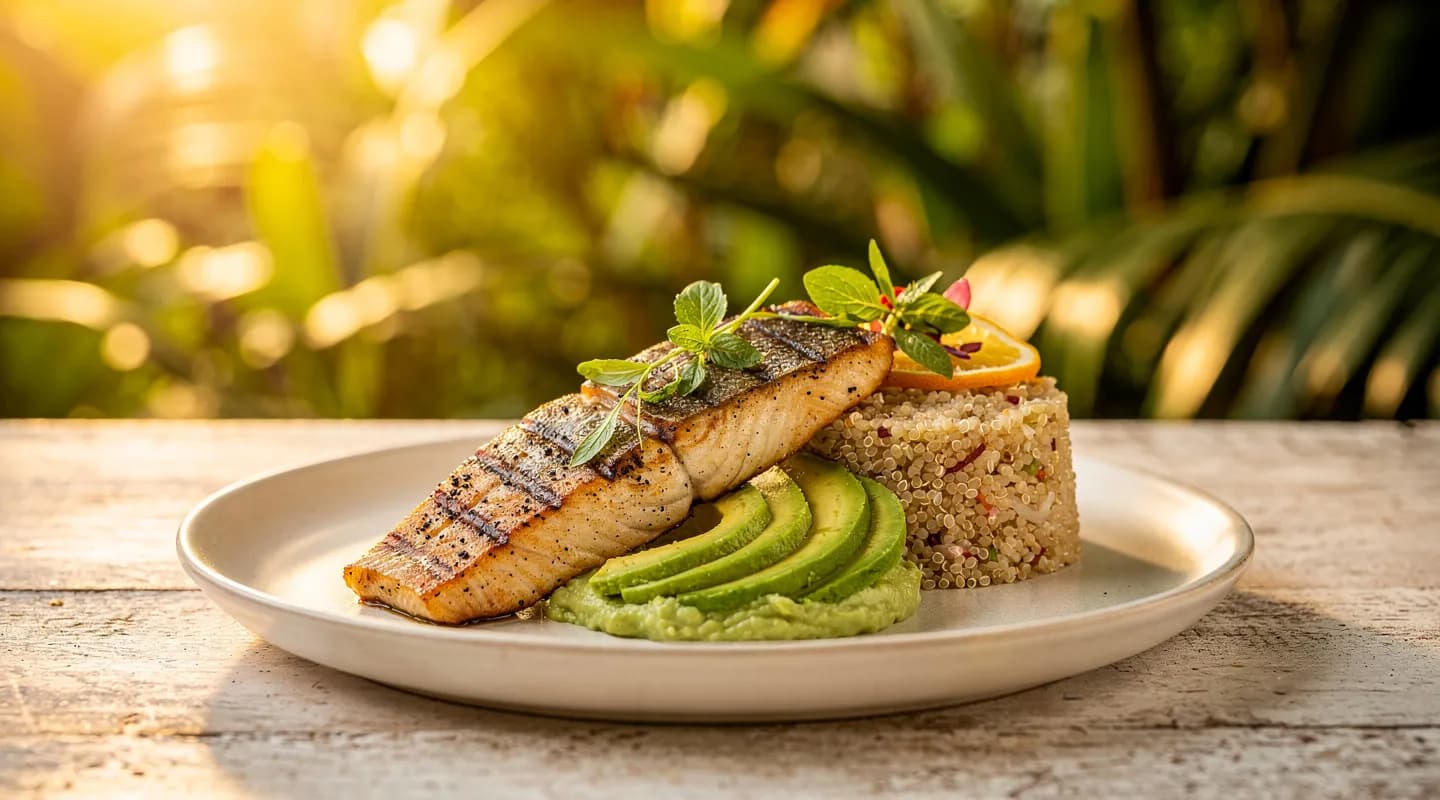
 Nutrition
Protein for Active Women: Needs, Sources and Timing Myths
How much protein do active women really need, where should it come from, and does the post-workout window matter? A calm, evidence-informed guide without the bro-science.
5 min read

Nutrition
Phoenix Initiative5 min read
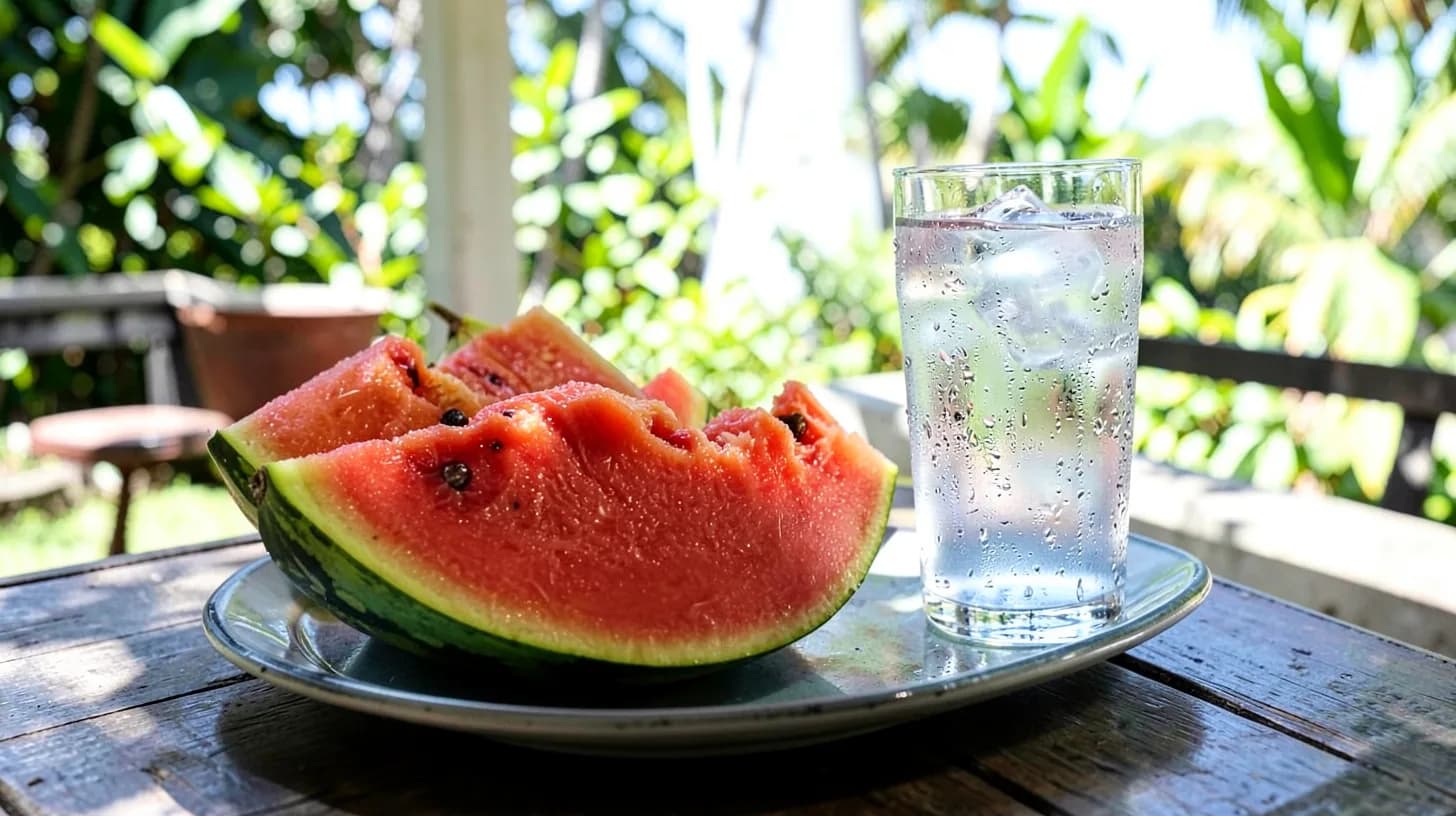
The first thing most travellers notice in a hot country is that they are not hungry. Not in an alarming way — just a general disinclination. Breakfast feels ambitious, lunch feels like a formality, and by evening you realise you have eaten a mango and half a bread roll since morning while walking, sweating and training in thirty degrees.
This is a genuine physiological effect, not a failure of appetite or discipline. It is also worth taking seriously, because the days when heat suppresses appetite most are usually the days your body has the most to recover from.
Several mechanisms overlap.
The most important is blood flow. Thermoregulation is expensive. When core temperature rises, the body redirects blood towards the skin to shed heat by convection and evaporation, and away from the digestive tract. With splanchnic circulation reduced, digestion is a lower priority and the sensation of hunger fades. It is the same reason a heavy meal feels unappealing immediately after hard exercise.
Second, there is central signalling. Temperature-sensing regions of the hypothalamus sit close to the circuitry involved in appetite regulation, and body temperature is one of the inputs to feeding behaviour. Experimental work on eating in hot versus cold environments consistently finds that people eat less when hot and more when cold.
Third, thirst masquerades as fullness. Fluid losses in heat are large and easily underestimated. Sweat rates vary enormously between individuals and conditions, and can reach a litre or more per hour during sustained effort in heat. A body chasing fluid does not read as a body wanting food.
For someone on holiday in the shade, eating a bit less in the heat is unremarkable. For someone training daily, it is the beginning of a spiral that is easy to recognise once you know the shape of it: appetite drops, intake falls below what the days demand, recovery suffers, sleep gets shallower, the next session feels harder, and appetite drops further because fatigue itself blunts hunger.
The signs to watch for are practical, not mystical. Sessions that feel disproportionately hard. Persistent light-headedness on standing. Poor sleep in an environment that should produce excellent sleep. Irritability with no cause. Any of these, particularly together, is a reason to pause and eat properly rather than to push harder. Persistent symptoms — or anything involving fainting, confusion, or a stopped period — are reasons to see a doctor, not to adjust a meal plan.
Two things are worth knowing and neither involves a fixed number of glasses.
Thirst lags behind fluid loss, particularly during exertion and as we get older, so it is a late signal rather than an early one. And requirements are individual — body size, sweat rate, humidity, acclimatisation and effort all move the figure enormously, which is why a universal daily target is not a useful instrument.
Urine colour is a rough, free indicator: pale straw generally suggests adequate hydration, dark yellow suggests catching up. It is imperfect, since some supplements and foods change the colour, but it is more informative than counting bottles. Anyone with a kidney or heart condition, or taking diuretics, should take fluid advice from a doctor, because for them the calculus genuinely differs.
The encouraging part: the body adapts. Over roughly one to two weeks of repeated heat exposure, plasma volume expands, sweating begins earlier and becomes more dilute, heart rate at a given effort falls, and the whole experience becomes noticeably less punishing. Appetite tends to come back with it. The first days in a hot climate are the hardest, and they are not representative.
Phoenix Oasis will open on 30 June 2028, on thirty hectares in Rivera, Huila — in the warm floor of the Magdalena valley, where afternoons are hot and the day naturally organises itself around that fact. The plan is for training to sit in the cooler ends of the day, for the middle to belong to shade, water and rest, and for the kitchen to lean on cold, hydrating, appetising food rather than hoping people will eat a heavy plate at two in the afternoon.
If you are heading anywhere hot before then, take one habit with you: eat breakfast like you mean it. More about how the days are being shaped is on the retreats page.
NutritionHow much protein do active women really need, where should it come from, and does the post-workout window matter? A calm, evidence-informed guide without the bro-science.
5 min read
 Nutrition
Most of us eat on autopilot — at desks, over screens, in cars. Here is what happens when you slow the meal down, and how to bring the retreat table home with you.
5 min read
 Nutrition
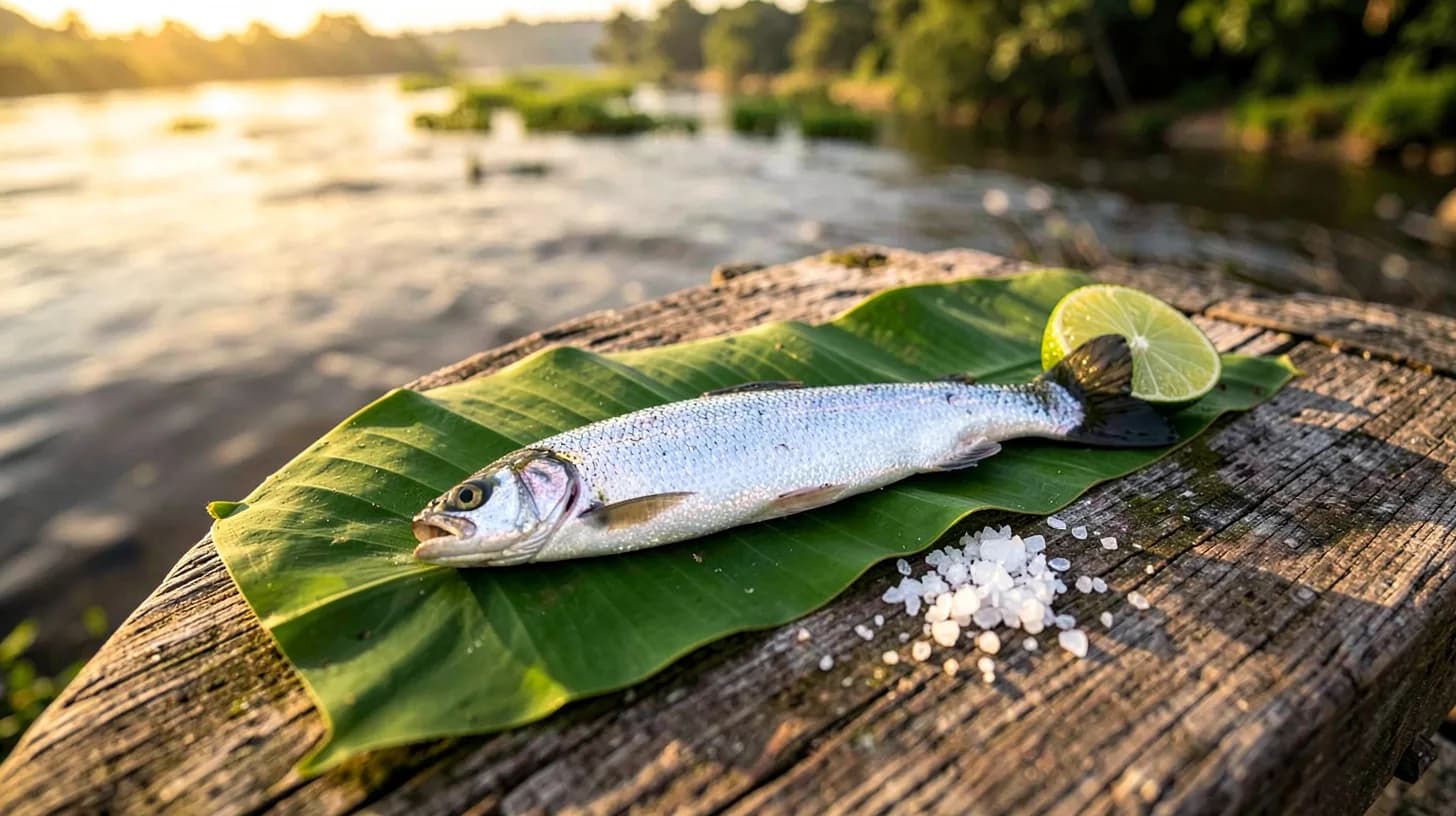
Bocachico, capaz, tilapia from Betania. What Huila's river actually feeds people, what that fish gives your body, and why the catch is getting harder to find.
5 min read