 Nutrition
Mindful Eating: What a Retreat Table Teaches About Slowing Down
Most of us eat on autopilot — at desks, over screens, in cars. Here is what happens when you slow the meal down, and how to bring the retreat table home with you.
5 min read

Nutrition
Phoenix Initiative5 min read
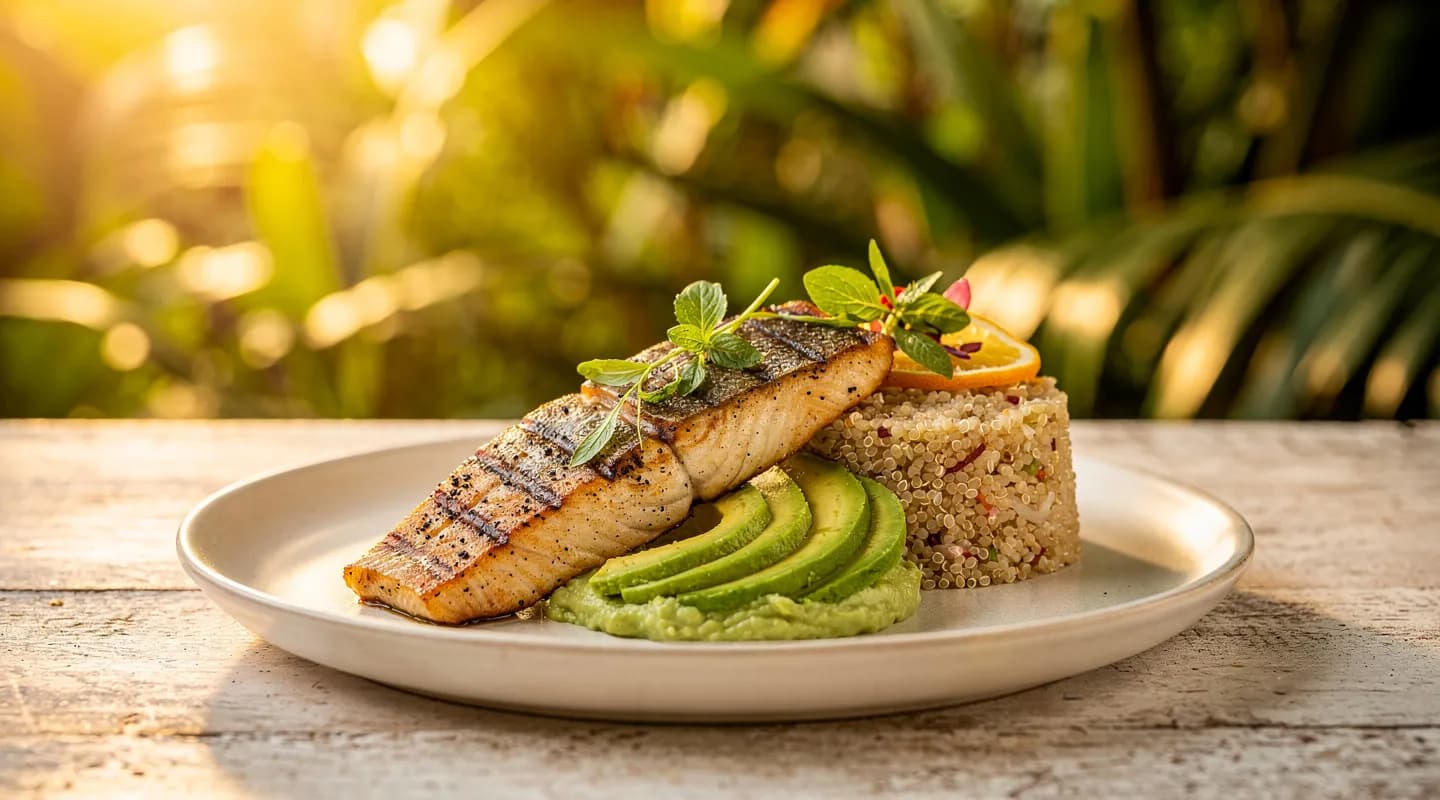
Protein has become the internet's favorite nutrient — and somewhere between the shaker bottles and the 40-gram breakfast influencers, the actual picture got blurry. If you train regularly, protein genuinely matters: it is the raw material your body uses to repair and build muscle, and it plays a role in nearly everything from enzymes to immunity. But the conversation around it is crowded with myths, most of them inherited from male-centric gym culture. Let's clear the table and set it again, calmly.
Every strength session, boxing class or long hike creates microscopic stress in your muscles. Recovery is where the magic happens: your body repairs those fibers slightly stronger than before — the biological version of the 1% philosophy. That repair requires amino acids, and amino acids come from dietary protein.
For women, there is an extra reason to care. Muscle is not just about aesthetics or gym numbers — maintaining it supports metabolism, bone health and long-term strength, and it becomes progressively harder to build and keep from midlife onward. Eating enough protein, alongside training, is one of the most practical investments an active woman can make in her future self.
General guidance for sedentary adults hovers around 0.8 grams per kilogram of body weight per day. For people who train regularly, sports nutrition bodies commonly suggest more — often in the range of roughly 1.2 to 2.0 grams per kilogram, depending on training load and goals. For a 65-kilogram woman, that lands somewhere between about 80 and 130 grams a day at the active end.
Two honest caveats. First, these are population ranges, not prescriptions — your ideal intake depends on your training, age, health and goals, and anyone with specific medical conditions should talk to a professional rather than a blog. Second, more is not endlessly better: beyond your needs, extra protein is simply extra food. The goal is sufficiency, not maximalism.
The practical shortcut: include a solid protein source in each main meal, roughly a palm-sized portion or more, and you will land close to the active range without weighing a single chicken breast.
Protein does not have to mean sad shakes and rubbery fillets. Some everyday sources worth rotating:
If you eat mostly or fully plant-based, you can absolutely meet an athlete's needs — it simply takes a bit more intention: bigger portions of legumes, variety across the day, and soy products or tofu doing some heavy lifting.
Now for the folklore. Three beliefs deserve a respectful burial:
What does matter with timing is simple: total daily intake first, reasonable distribution second, everything else a distant third.
The best protein strategy is the one that runs on autopilot:
No tracking apps required. Attention, repeated daily, outperforms perfection performed occasionally.
At Phoenix Oasis, the women-only retreat we are building in Rivera, Huila, days will be built around exactly this pairing: training that asks something of your body, and a table designed to answer it — local Colombian ingredients, generous plates, protein woven naturally through every menu. Strength is not carved out of restriction; it is fed, meal by unglamorous meal.
Want to see what a week of training and eating like it matters could do for you? Have a look at the retreat programs we are creating. Your future self is already at the table.
NutritionMost of us eat on autopilot — at desks, over screens, in cars. Here is what happens when you slow the meal down, and how to bring the retreat table home with you.
5 min read
 Nutrition
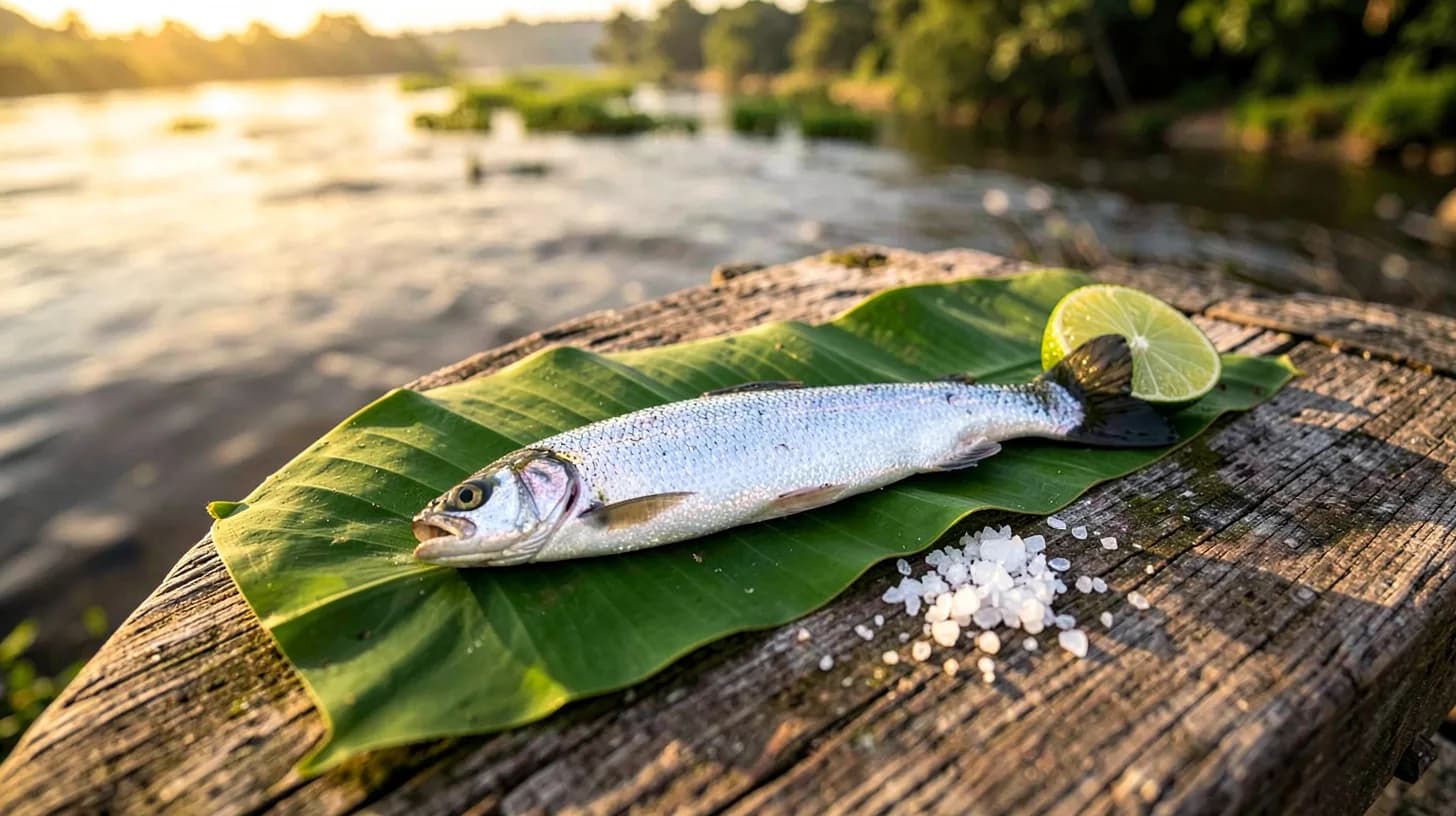
Bocachico, capaz, tilapia from Betania. What Huila's river actually feeds people, what that fish gives your body, and why the catch is getting harder to find.
5 min read
 Nutrition
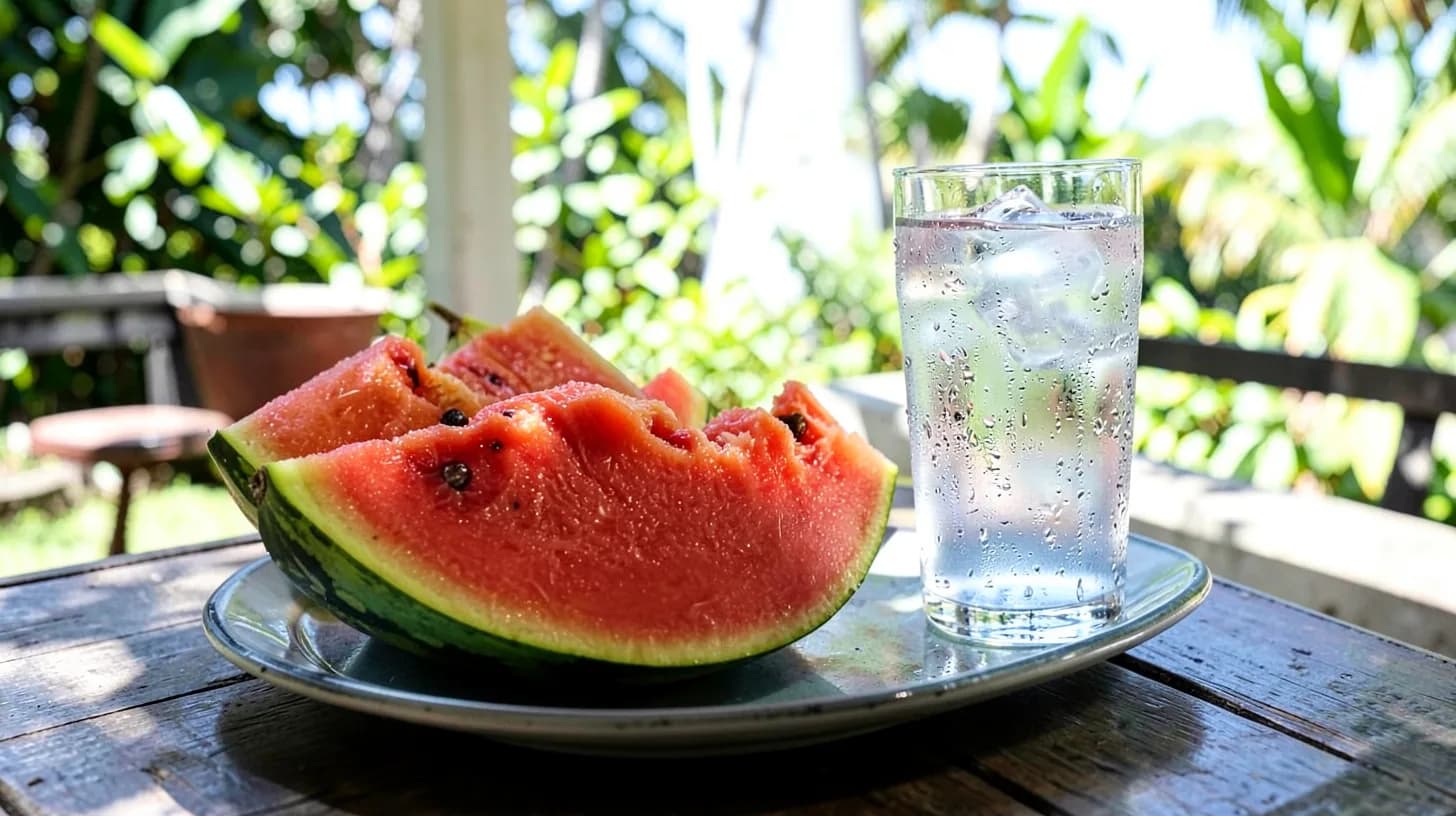
Blood flow, the hypothalamus and thirst dressed up as fullness: the real reasons hunger fades in the tropics, and seven practical moves for eating regardless.
5 min read