 Nutrition
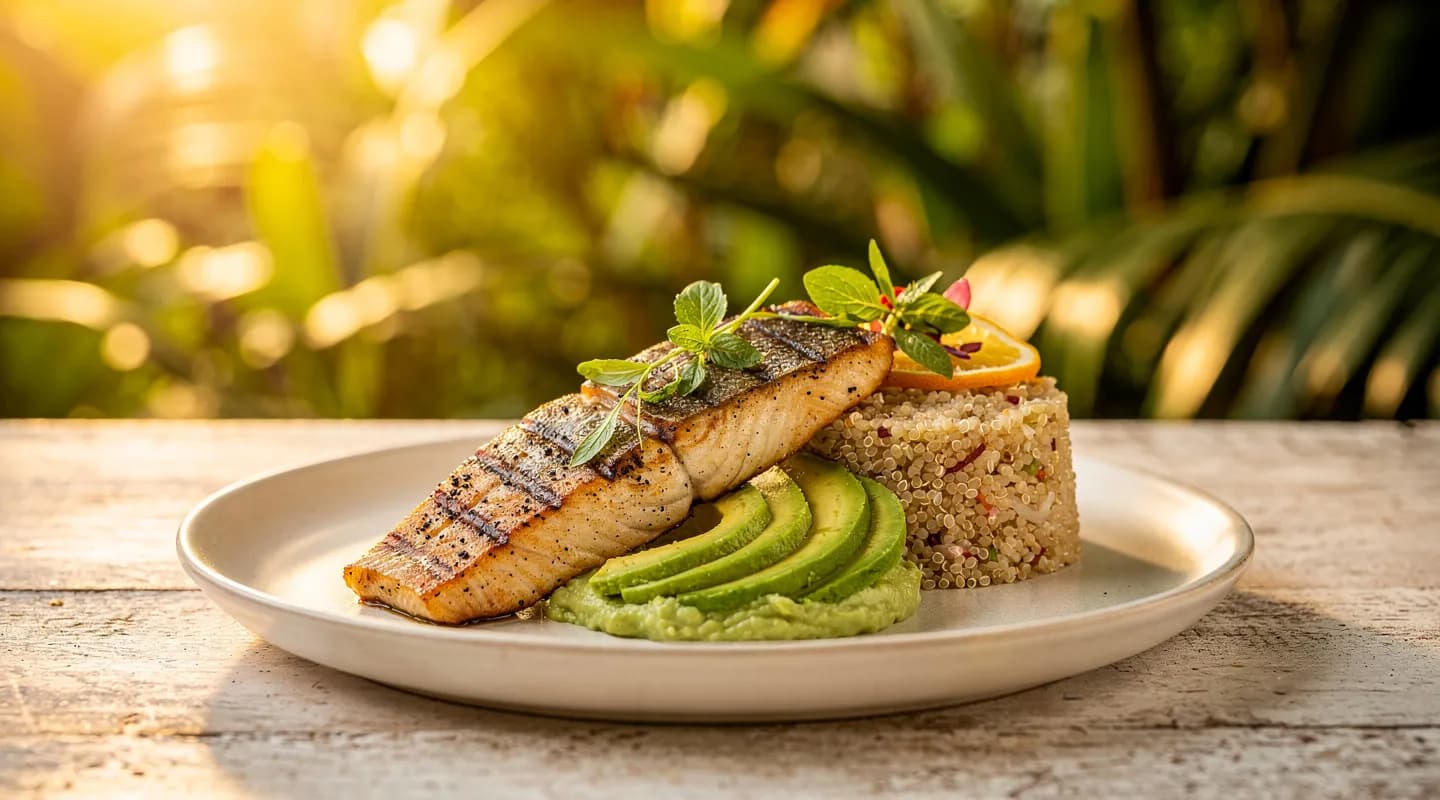
Protein for Active Women: Needs, Sources and Timing Myths
How much protein do active women really need, where should it come from, and does the post-workout window matter? A calm, evidence-informed guide without the bro-science.
5 min read

Nutrition
Phoenix Initiative5 min read
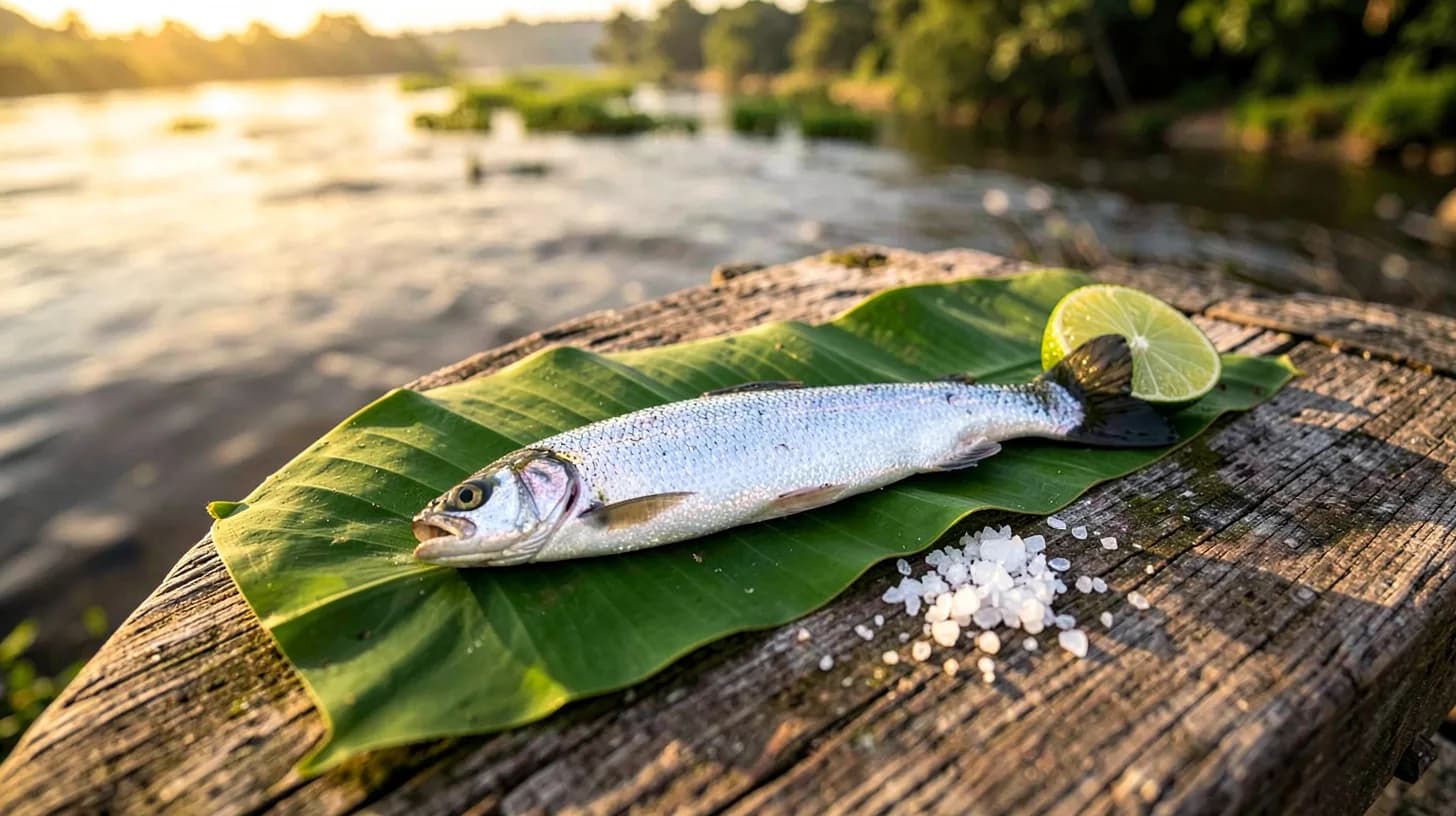
Ask anyone in Neiva what the Magdalena tastes like and the answer comes back before you have finished the question: bocachico, in the weeks after Christmas, when the water drops and the fish move upstream in their thousands. For generations that seasonal run had a name — the subienda — and it worked like a calendar. The river rose, the river fell, the fish came, the town ate.
That rhythm is still there, but it has grown thin. The Magdalena is Colombia's central river, 1,528 kilometres from a lagoon in the Colombian Massif — inside Huila itself — to the Caribbean at Barranquilla, and its basin holds roughly a quarter of the country's land and the large majority of its people. Everything that happens to Colombia happens to this river first.
So a plate of fried fish in Huila is not a small thing. It is a direct reading of the water it came from.
Bocachico (Prochilodus magdalenae) is endemic to the Magdalena basin — it exists nowhere else on earth. It is a detritus feeder, hoovering organic matter from the riverbed, and it migrates upstream to spawn when the dry season lowers the water. That migration is the subienda, and it once produced landings so large they defined the regional economy.
Alongside it swim the other names you will see on a menu board: capaz (Pimelodus grosskopfii), a slim catfish prized in Huila kitchens; nicuro, smaller and cheaper; dorada; and the bagre rayado (Pseudoplatystoma magdaleniatum), the big striped catfish that was once the river's trophy fish and is now assessed as critically endangered. Several of these species have declined steeply enough that Colombia sets closed seasons — vedas — during spawning periods.
None of that is abstract when you are standing at a riverside stall. The fish is smaller than it used to be. Ask a fisherman and he will tell you so himself, without being prompted.
Nutritionally, river fish is a quietly excellent food, and it is worth being precise about why.
One honest caveat: large, long-lived predatory fish accumulate more mercury than small, fast-growing ones, and the Magdalena has legacy contamination from informal gold mining upstream. Anyone who is pregnant, breastfeeding or feeding young children should take that question to a health professional rather than to an article. For everyone else, variety — and favouring smaller species — is the sensible instinct.
There is a second fish economy here, and it is enormous. The Betania reservoir, formed in the 1980s where the Yaguará and Magdalena rivers meet, has made Huila the country's leading producer of farmed tilapia. Floating cages cover a striking stretch of that water, and red tilapia fillets from this department travel as far as North American supermarkets.
It is a real livelihood for thousands of families, and it is also a genuine environmental argument. Cage farming concentrates feed and waste in one place; reservoirs alter sediment, temperature and the migration routes wild species depend on. Huila sits inside that tension rather than outside it, which is exactly why it is worth understanding before you order.
Overfishing is only one pressure among several. Dams interrupt migration. Deforestation along the tributaries sends soil into the channel. Wetlands — the ciénagas where juveniles grow — have been drained for pasture. Fixing the fish means fixing the floodplain.
If you want to eat here in a way that helps rather than hurts, the practical questions are simple:
The regional signature is viudo de pescado — "the widower". Whole fish is cooked with yuca, green plantain, potato and corn, traditionally over a fire on the riverbank, layered with plantain leaves so the steam does the work. It is served communally, straight onto the leaves, with a bowl of broth and a rough tomato-and-scallion hogao alongside.
The other everyday version is simply fried, whole, with coconut rice or patacones and a wedge of lime. Both are built around a fish that arrived that morning, which is the whole point.
Phoenix Oasis is under construction on thirty hectares in Rivera, Huila, and will open on 30 June 2028. When it does, its kitchen will sit less than an hour from the Magdalena — and the plan is for the menu to reflect that honestly rather than decoratively.
That means sourcing from named local suppliers, respecting closed seasons, and treating river fish as what it is: a lean, nutrient-dense protein that belongs to a specific place and a specific season. Guests will be told which fish they are eating and where it came from, because a retreat that talks about nourishment and then serves anonymous protein is not being serious.
The river taught this region how to eat long before anyone built anything here. The intention is to keep listening to it.
NutritionHow much protein do active women really need, where should it come from, and does the post-workout window matter? A calm, evidence-informed guide without the bro-science.
5 min read
 Nutrition
Most of us eat on autopilot — at desks, over screens, in cars. Here is what happens when you slow the meal down, and how to bring the retreat table home with you.
5 min read
 Nutrition
Blood flow, the hypothalamus and thirst dressed up as fullness: the real reasons hunger fades in the tropics, and seven practical moves for eating regardless.
5 min read