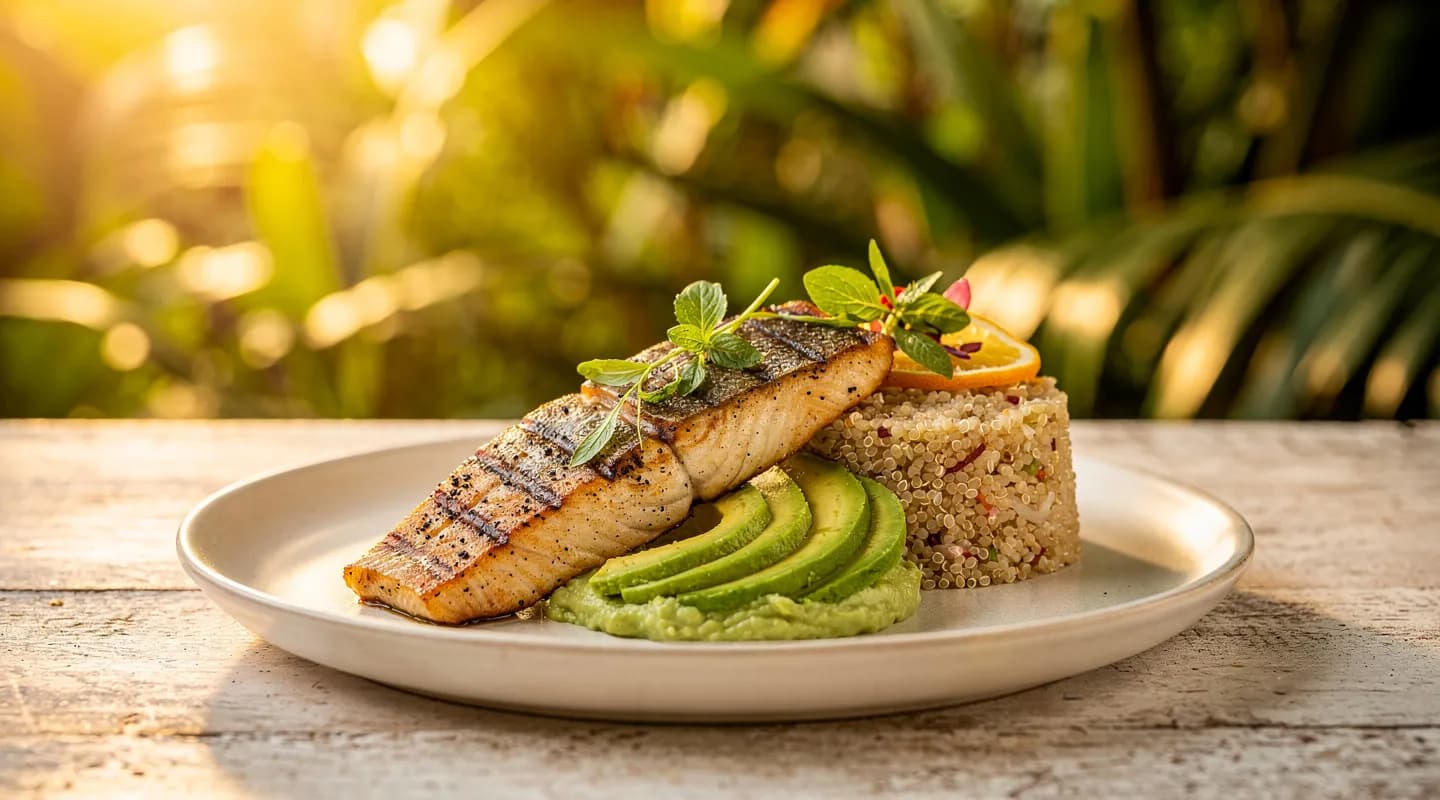
 Nutrition
Protein for Active Women: Needs, Sources and Timing Myths
How much protein do active women really need, where should it come from, and does the post-workout window matter? A calm, evidence-informed guide without the bro-science.
5 min read

Nutrition
Phoenix Initiative5 min read

Think about your last three meals. Where were you? What were you looking at? Can you remember what the food actually tasted like — not what it was, but how it tasted? For most of us, the honest answer is unsettling. We eat at desks while answering emails, on sofas while watching series, standing at counters between obligations. The meal has become the background activity of modern life. Mindful eating is the simple, radical proposal to make it the foreground again — and few places teach it faster than a shared table with nowhere else to be.
Let's clear up the term, because it has collected some baggage. Mindful eating is not a diet. It has no forbidden foods, no calorie targets, no rules about when the kitchen closes. It is simply the practice of paying attention while you eat: noticing flavors, textures and smells; noticing your hunger before the meal and your fullness during it; noticing the difference between wanting more and needing more.
That is the whole method. No purchase necessary. And precisely because it asks for attention rather than willpower, it sidesteps the exhausting cycle of restriction and rebellion that diets tend to fuel. You are not fighting your appetite — you are finally listening to it.
There is a practical reason slowing down changes the experience: your body's fullness signals are slow. The conversation between your stomach, your hormones and your brain takes roughly twenty minutes to register that satisfaction has arrived. Eat a meal in eight minutes and you finish before the message does — which is how you end up uncomfortably full, wondering what happened.
Eating slowly gives the signal time to land. But the deeper shift is qualitative. When you actually taste your food, satisfaction arrives from flavor, not just volume. A meal eaten with attention often satisfies more with less drama, because you were present for it. Pleasure, it turns out, requires attendance.
The first bite you truly taste is often the moment you realize how many meals you have missed while eating them.
Here is what changes when you sit at a long table in the middle of nowhere, phone away, mountains where a screen used to be. First, the meal recovers its edges: it begins when everyone sits and ends when the conversation does, not when an episode finishes. Second, food eaten after real training tastes extraordinary — hunger honestly earned is the best seasoning there is. Third, and most surprising: eating with others, unhurried, turns out to be one of the most nourishing parts of the meal. Conversation naturally paces you. Laughter makes you put the fork down. The table becomes what it has been for most of human history — a place, not a pause.
This is the experience we are designing into Phoenix Oasis, the women-only retreat under construction in Rivera, Huila. The future restaurant is planned as a place where meals take the time they take: fresh Colombian produce, plates worth looking at, tables where women who trained together in the morning sit down together at noon. No screens competing for attention. The Huila valley makes a compelling screensaver anyway.
You do not need a retreat to start. You need one meal a day and a little intention:
Notice what is absent: nothing about what to eat. Mindful eating works with whatever is on the plate. It tends to gently improve choices over time — not through rules, but because you start noticing what actually makes you feel good, and what only promised to.
If this all sounds lovely and unrealistic for your actual life, good news: mindful eating compounds like everything else. This is the 1% philosophy at the table — you do not need to transform every meal by Thursday. One attentive meal a day is enough to start rewiring the habit. Some days it will be a serene lunch; some days it will be three conscious bites of a sandwich between meetings. Both count. Attention is a muscle, and every rep matters.
And if someday you want to practice where the setting does half the work — where mornings ask something real of your body and the table answers generously, with a valley instead of a screen — that is precisely the rhythm we are building. Discover the stays we are creating, from 7 to 28 days. The table will be long, the food will be local, and nobody will be checking her phone.
NutritionHow much protein do active women really need, where should it come from, and does the post-workout window matter? A calm, evidence-informed guide without the bro-science.
5 min read
 Nutrition
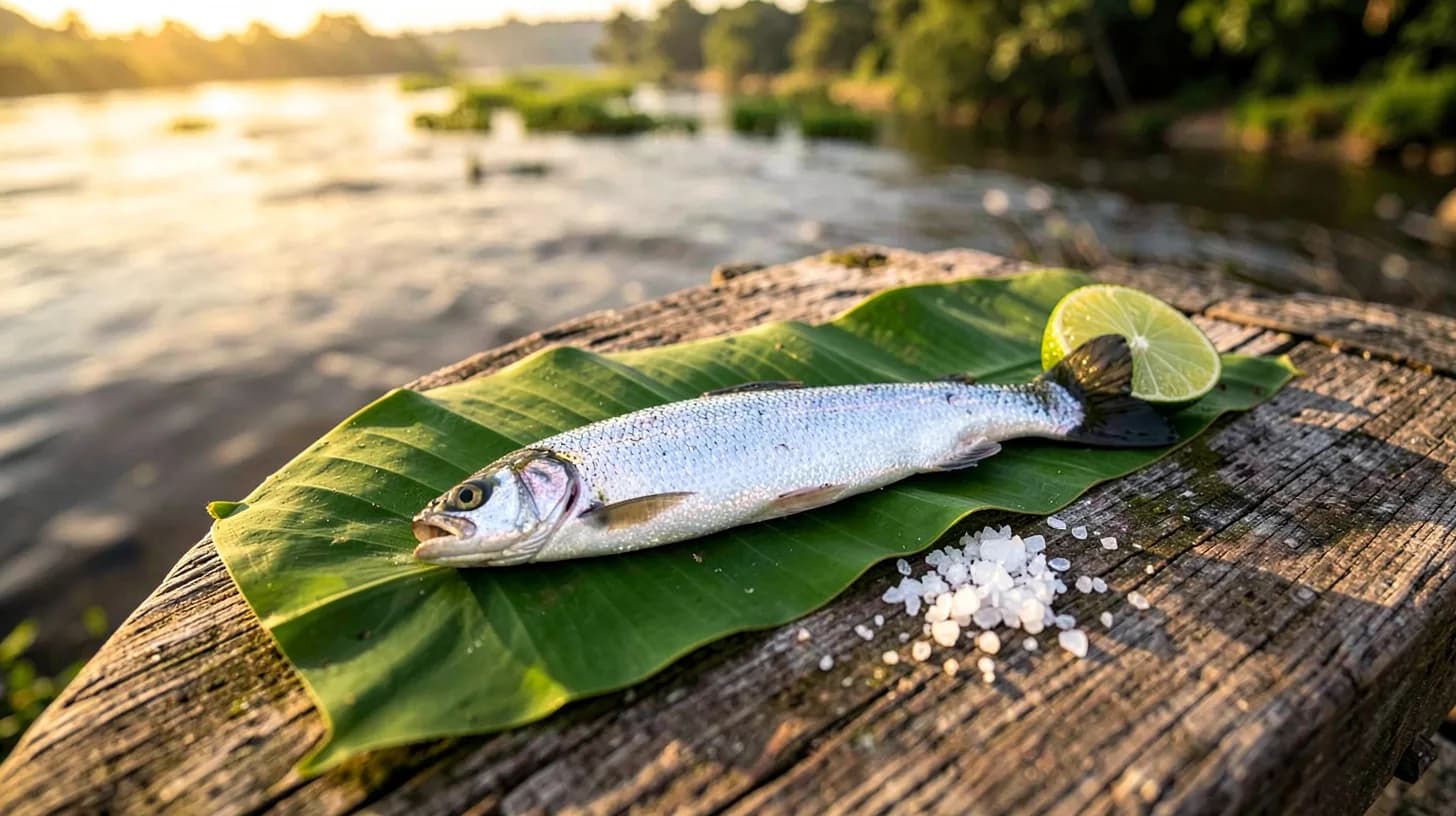
Bocachico, capaz, tilapia from Betania. What Huila's river actually feeds people, what that fish gives your body, and why the catch is getting harder to find.
5 min read
 Nutrition
Blood flow, the hypothalamus and thirst dressed up as fullness: the real reasons hunger fades in the tropics, and seven practical moves for eating regardless.
5 min read