 Nutrition
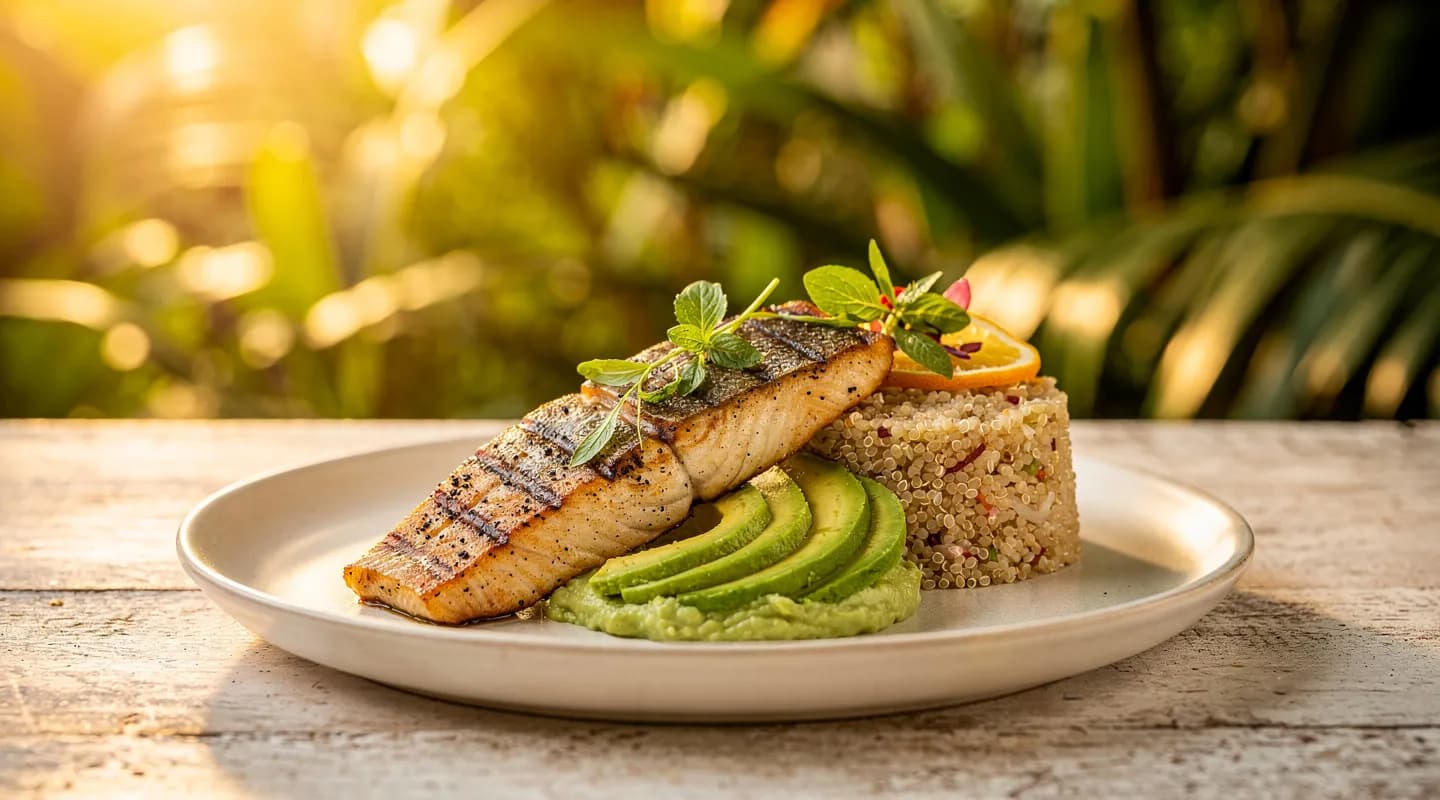
Protein for Active Women: Needs, Sources and Timing Myths
How much protein do active women really need, where should it come from, and does the post-workout window matter? A calm, evidence-informed guide without the bro-science.
5 min read

Nutrition
Phoenix Initiative5 min read
Most of us meet cacao at the very end of its life, wrapped in foil and sold by the gram. It arrives already fermented, dried, roasted, ground, sweetened and moulded — a finished object with no visible ancestry. Which is a shame, because almost everything interesting about cacao happens long before the chocolate bar.
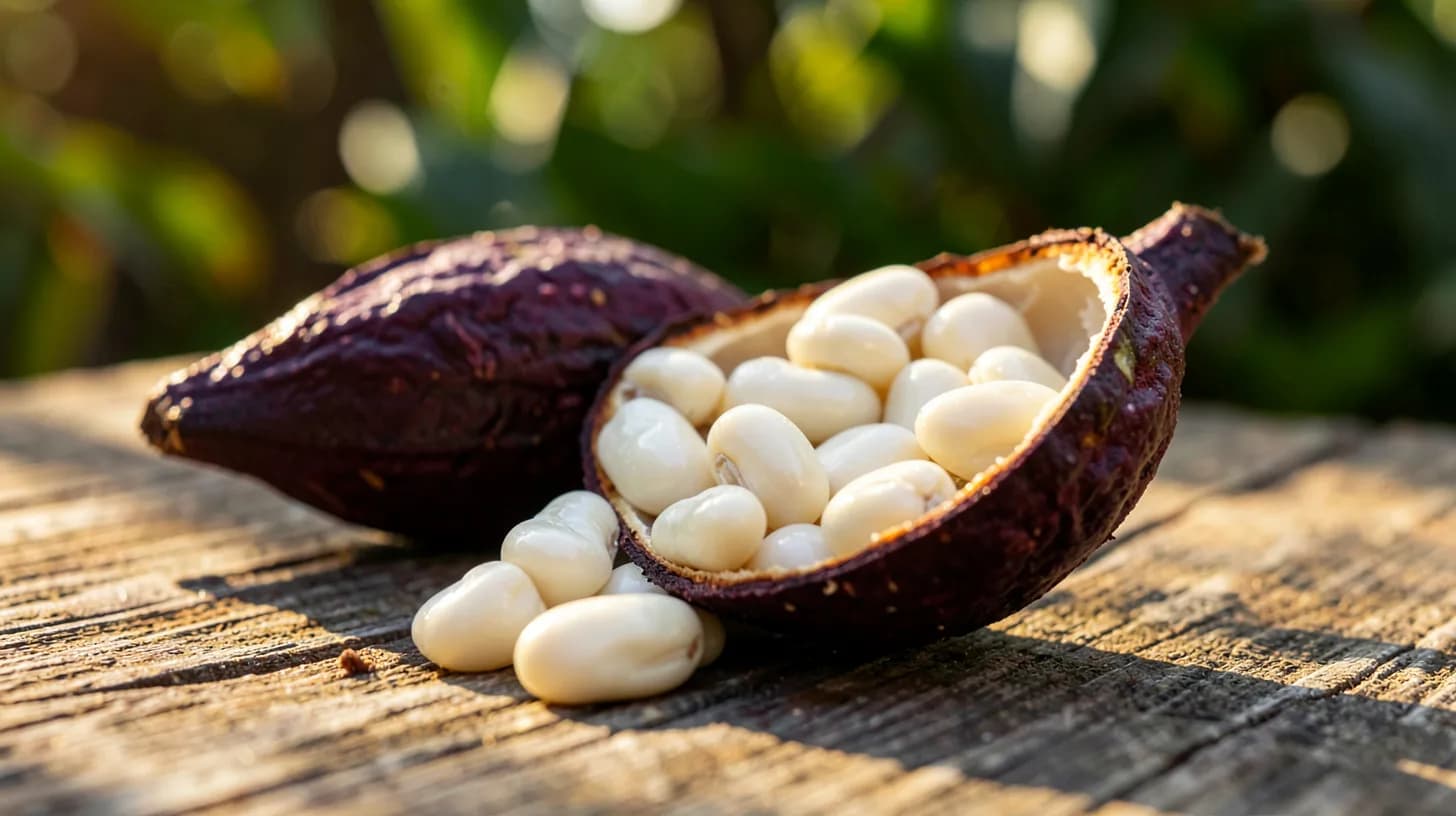
Theobroma cacao is a small, fussy understorey tree from the upper Amazon basin. It fruits directly on its trunk and oldest branches, which is why a cacao grove looks faintly improbable: heavy ridged pods, ochre, crimson or green, growing straight out of the bark like something bolted on. Split one open and there is no chocolate inside. There is a column of thirty to fifty seeds sheathed in a white, slippery pulp that tastes of lychee and soursop, sweet and sharply acidic at once.
Colombia sits close to the plant's genetic homeland, and Huila — the department where the Oasis is being built — is one of the country's cacao regions. Understanding what happens to those seeds between the tree and the cup changes how you taste the result.
A freshly opened pod tastes of almost nothing recognisable. The seed itself is bitter, astringent and purple. What turns it into cacao is fermentation: the wet beans, still coated in pulp, are heaped into wooden boxes or under banana leaves and left for roughly five to seven days.
Wild yeasts eat the sugars in the pulp. Lactic and then acetic acid bacteria take over, the temperature inside the mass climbs past 45 °C, the seed dies, and its internal chemistry unravels — storage proteins break into the amino acids and peptides that will later become flavour under roasting. Get this stage wrong and no amount of skill downstream will rescue the batch. Get it right and the same bean can read as red fruit, molasses, nuts or tobacco.
Then comes drying, usually on raised beds or sliding roof platforms, slowly enough to let residual acidity escape. Only after that does anyone roast anything.
Cacao is not a superfood, and treating it as one usually ends with people eating more sugar than they intended. But it is genuinely dense in things worth having.
The practical translation is unglamorous: the darker and less processed the cacao, the more of the interesting fraction survives, and the less sugar comes along for the ride.
The International Cocoa Organization sorts the world's exports into "bulk" cacao and "fine or flavour" cacao. Bulk is the commodity that makes most of the world's chocolate. Fine flavour is a small slice of global production, grown from more aromatic genetics and processed with more care, and Colombia is one of the countries recognised as producing it.
That distinction matters to a grower far more than to a shopper. Fine flavour cacao is sold on cup quality rather than on tonnage, which means a smallholder with two hectares and a good fermentation box can be paid for craft instead of volume. It is one of the few agricultural markets where doing the slow thing well is economically rational.
Cacao evolved in shade, and it still prefers it. Traditional Colombian plots are layered: cacao underneath, plantain providing the first canopy, timber or fruit trees above that. The result is an agroforestry system rather than a field — permanent roots, leaf litter, shade that keeps soil temperature down, and a habitat that holds far more birds and insects than a cleared pasture.
It is also a crop with a particular political weight in Colombia, where cacao has been one of the legal alternatives promoted in regions rebuilding their rural economy. A tree that takes three to five years to bear is a bet on staying put.
Forget the bar for a moment. In Colombia the everyday form is chocolate de mesa: cacao ground with sugar and pressed into tablets, dissolved in hot water or milk in a tall chocolatera and whipped to a foam with a wooden molinillo. It is a breakfast drink, served with bread and — in the Andean interior — a piece of fresh white cheese dropped in to melt at the bottom of the cup.
Two things about this are worth stealing. First, cacao is treated as food rather than confectionery: it appears at breakfast, with protein and starch beside it. Second, it is a shared, unhurried ritual. Nobody drinks chocolate santafereño standing up.
Phoenix Oasis will open on 30 June 2028, on thirty hectares in Rivera, Huila. Cacao grows well in this part of the Magdalena valley, and the plan is for the kitchen to work with cacao the way the region already does: as a warm drink at breakfast, as an ingredient with an origin and a grower's name attached, and occasionally as a walk through a working grove to see where the pods actually come from.
Until then, there is a simple experiment you can run anywhere. Buy one bar of single-origin dark chocolate, let a square melt slowly on your tongue without chewing, and pay attention to what arrives after the bitterness. That is the fermentation talking. You can find out more about what we are building on the retreats page.
NutritionHow much protein do active women really need, where should it come from, and does the post-workout window matter? A calm, evidence-informed guide without the bro-science.
5 min read
 Nutrition
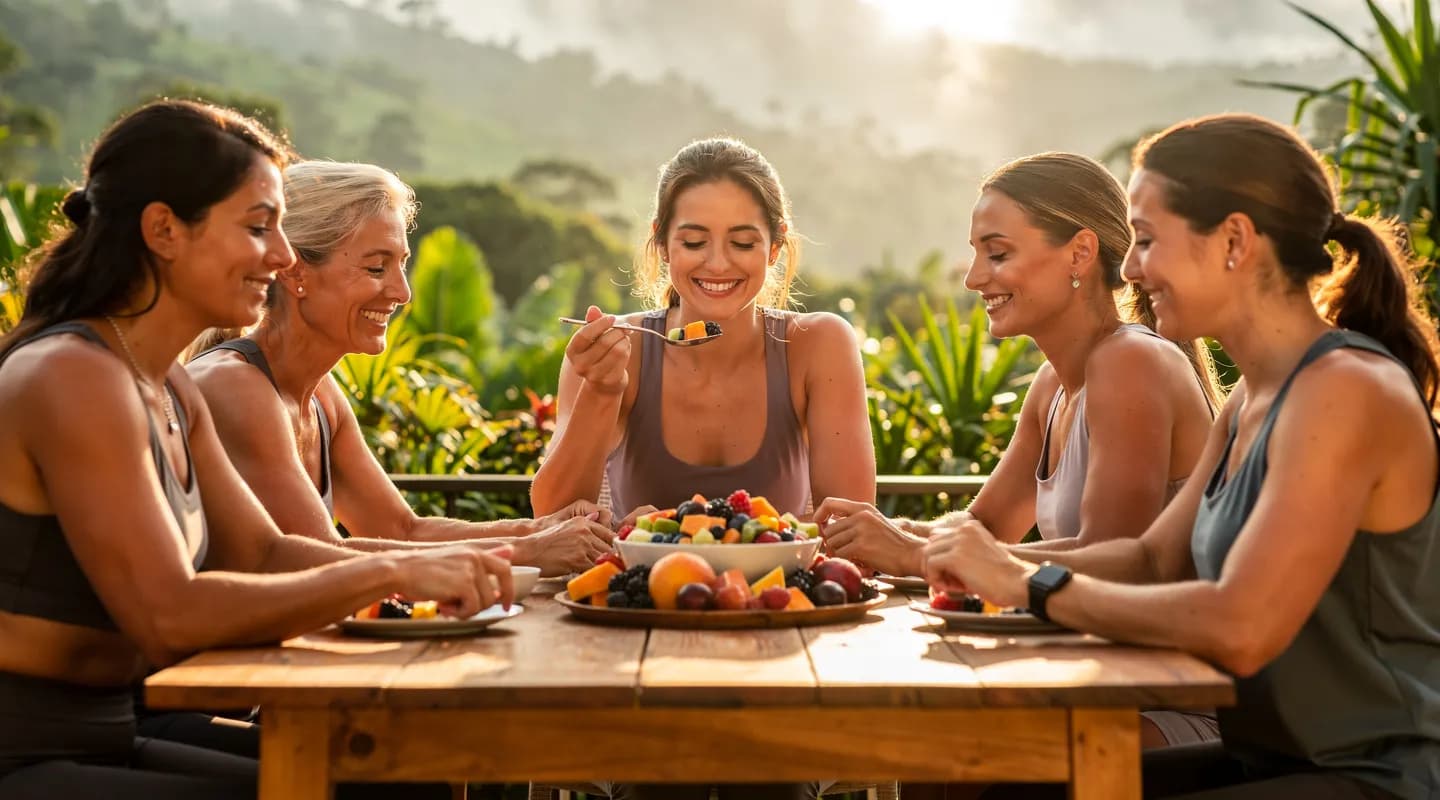
Most of us eat on autopilot — at desks, over screens, in cars. Here is what happens when you slow the meal down, and how to bring the retreat table home with you.
5 min read
 Nutrition
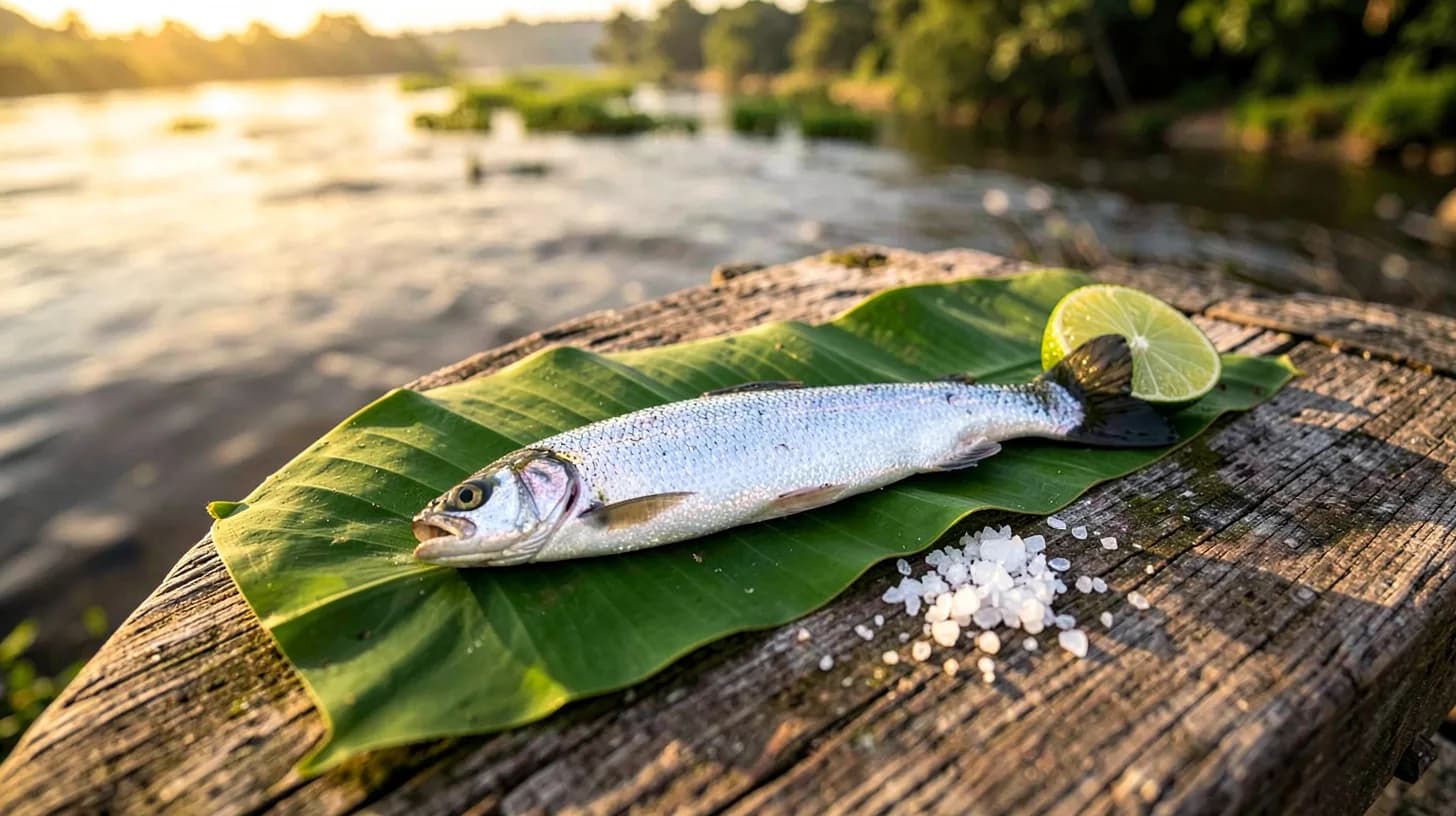
Bocachico, capaz, tilapia from Betania. What Huila's river actually feeds people, what that fish gives your body, and why the catch is getting harder to find.
5 min read