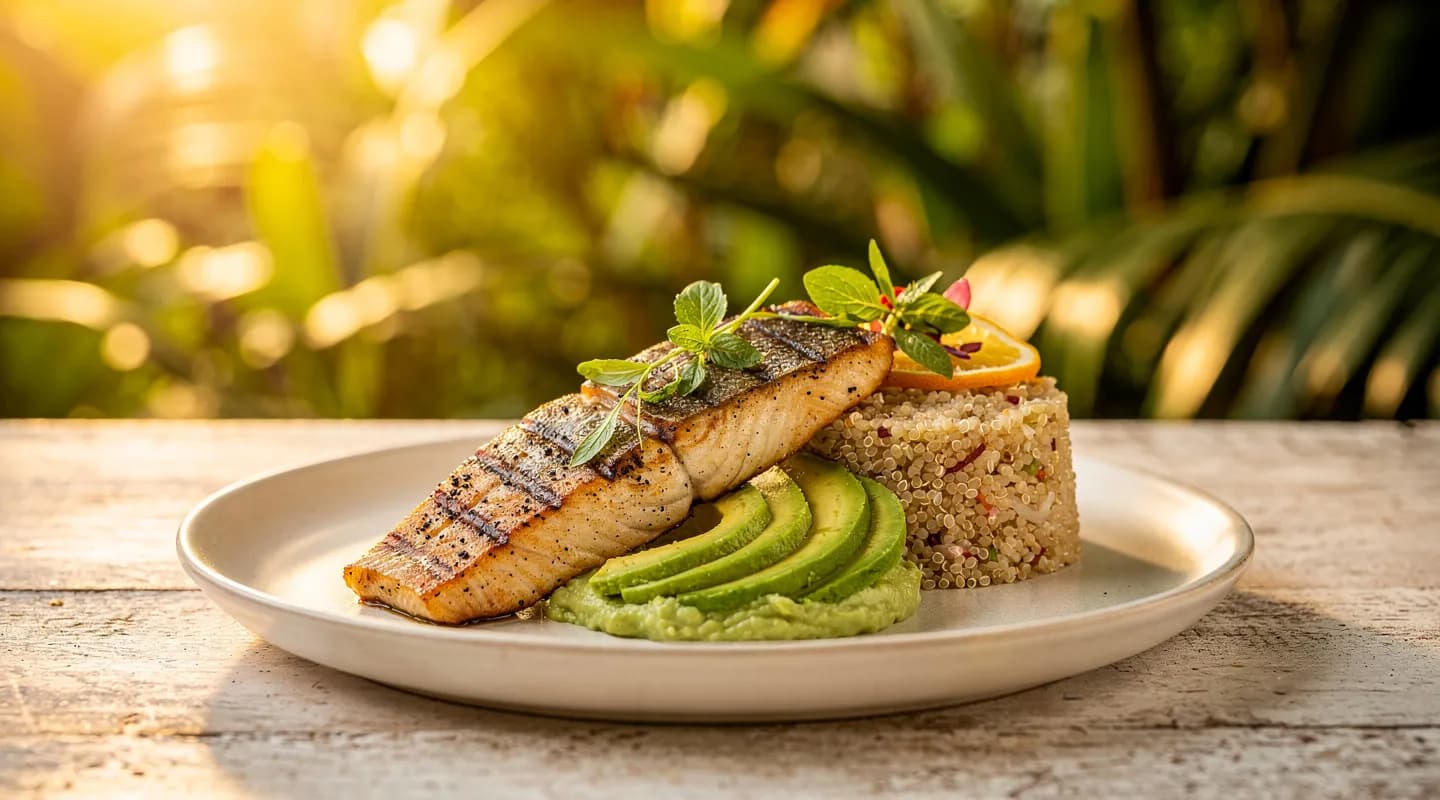
 Nutrition
Protein for Active Women: Needs, Sources and Timing Myths
How much protein do active women really need, where should it come from, and does the post-workout window matter? A calm, evidence-informed guide without the bro-science.
5 min read

Nutrition
Phoenix Initiative5 min read
Bone does not feel like a living thing. It is the part of us that looks most like architecture — inert, structural, finished. It is nothing of the kind. Skeletal tissue is being taken apart and rebuilt continuously by two populations of cells: osteoclasts that dissolve old bone, osteoblasts that lay down new. In a healthy adult the two roughly balance. When they stop balancing, the skeleton quietly changes.
This matters more to women than most of us were told in time. Bone mass climbs through childhood and adolescence, peaks somewhere in the late twenties, and then holds — until the fall in oestrogen around menopause, which accelerates the rate at which bone is broken down. It is a normal physiological transition, not a disease, but it is the reason bone is a subject worth understanding decades before it becomes urgent.
What follows is information, not advice. Bone density is assessed medically, and any question about your own bones — including whether you need testing, or a supplement, or a specific kind of training — belongs with a doctor or a registered dietitian who knows your history.
Around 99 per cent of the body's calcium sits in bone and teeth. The remaining fraction circulates and does work the body will not compromise on — muscle contraction, nerve signalling, clotting. Blood calcium is therefore held within a tight range, and if intake falls short, the skeleton is the reserve that gets drawn on. That is the mechanism people mean when they say bone is a bank account.
Reference intakes for calcium are set nationally and differ. European reference values for adults sit at roughly 950 mg per day; several other authorities set 1000 mg for adult women and raise it to 1200 mg after fifty. The useful takeaway is not a number to hit but a sense of scale, since typical intakes in many countries fall well below any of them.
Calcium alone, however, does not build bone. It needs company:
Dairy is the most concentrated everyday source in most cuisines — milk, yoghurt, and hard cheeses in particular. But the plant sources are more numerous than their reputation suggests, and absorption differs between them in a way worth knowing.
In Colombian kitchens the everyday vehicles look different but work the same way: fresh queso campesino, cuajada, milk in the morning chocolate, and the sardines that turn up in coastal cooking.
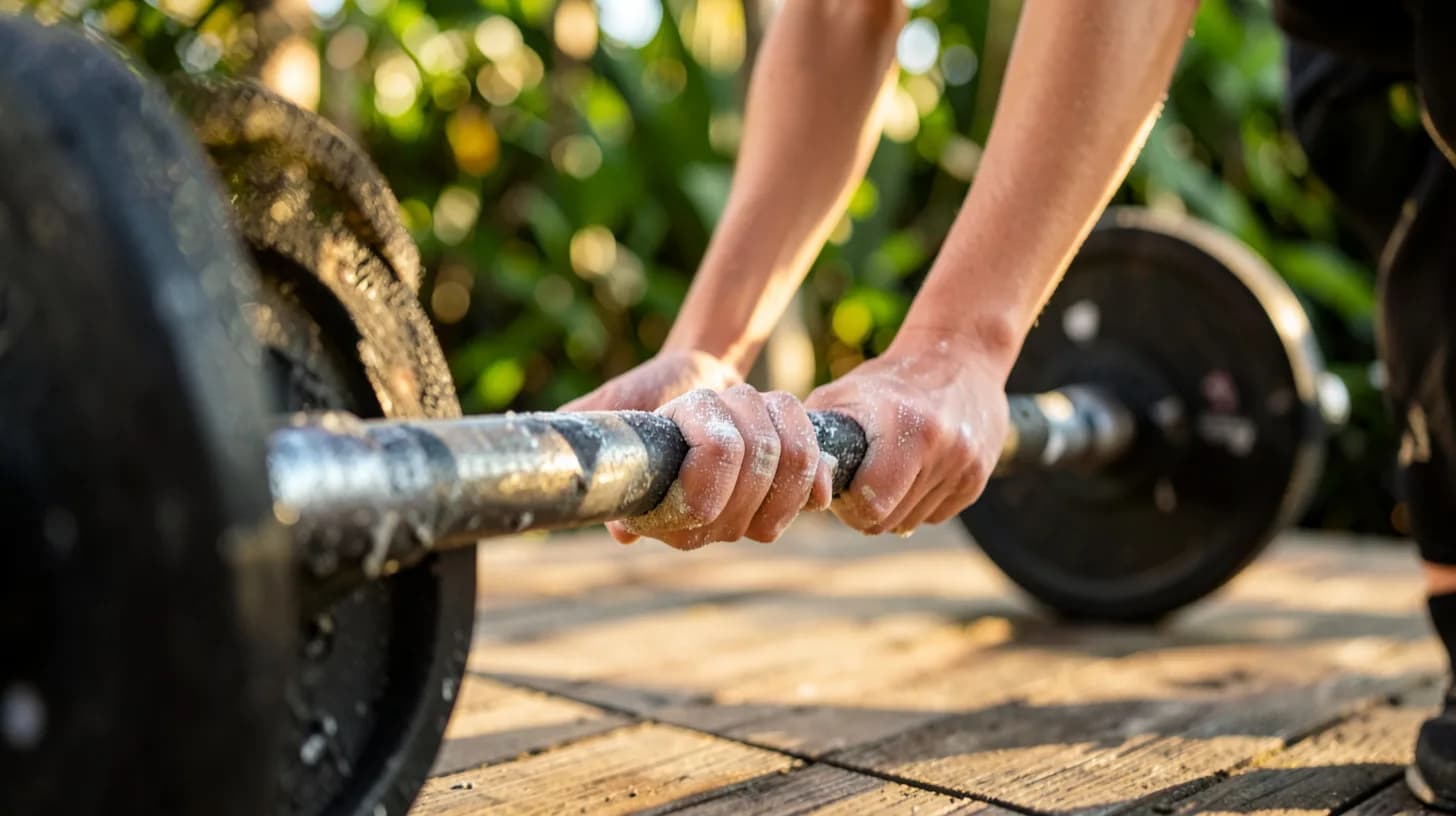
Here is what surprises people: bone responds far more to mechanical load than to any single nutrient. Bone tissue adapts to the strains placed on it — the principle behind Wolff's law — which means that loading the skeleton is the signal that tells it to stay dense.
Not all exercise sends that signal. Swimming and cycling are excellent for many things and largely unloaded for the skeleton. The forms of training most consistently associated with bone density in women are progressive resistance work — loading the spine and hips under a bar or heavy weight — and impact: hopping, skipping, landing, running. Both need to be progressive and technically sound, and both should be taught rather than improvised, particularly if you have any history of fracture, a diagnosis of low bone density, or any spinal condition. That is not a warning about difficulty; it is the reason a qualified coach and a doctor belong in this conversation.
The encouraging part is that the skeleton keeps responding to load throughout life. The window for building peak bone mass closes in early adulthood, but the window for asking bone to hold what it has does not.
The first is unglamorous: eat enough. Chronic under-eating, whether deliberate or accidental, is associated with reduced bone density in active women, often alongside disrupted or absent periods. Missing periods in an athlete is not a sign that training is working — it is a signal to see a doctor.
The second is to know your own history. Family history of fracture, early menopause, long-term use of certain medications, coeliac disease and other conditions affecting absorption all change the picture. None of that is discoverable from an article; all of it is discoverable from a consultation.
Phoenix Oasis will open on 30 June 2028, on thirty hectares in Rivera, Huila. Strength training will be central to the programme rather than an option beside it, taught properly and progressively, because loading a skeleton well is a skill and skills are coached. The kitchen will be built around whole foods that carry calcium and protein as a matter of course.
If you take one thing from this, take a question rather than a rule: when did you last put real load through your spine and hips, and when did you last talk to a health professional about your bones? Both answers are more useful than any list of foods. More about the programme is on the retreats page.
NutritionHow much protein do active women really need, where should it come from, and does the post-workout window matter? A calm, evidence-informed guide without the bro-science.
5 min read
 Nutrition
Most of us eat on autopilot — at desks, over screens, in cars. Here is what happens when you slow the meal down, and how to bring the retreat table home with you.
5 min read
 Nutrition
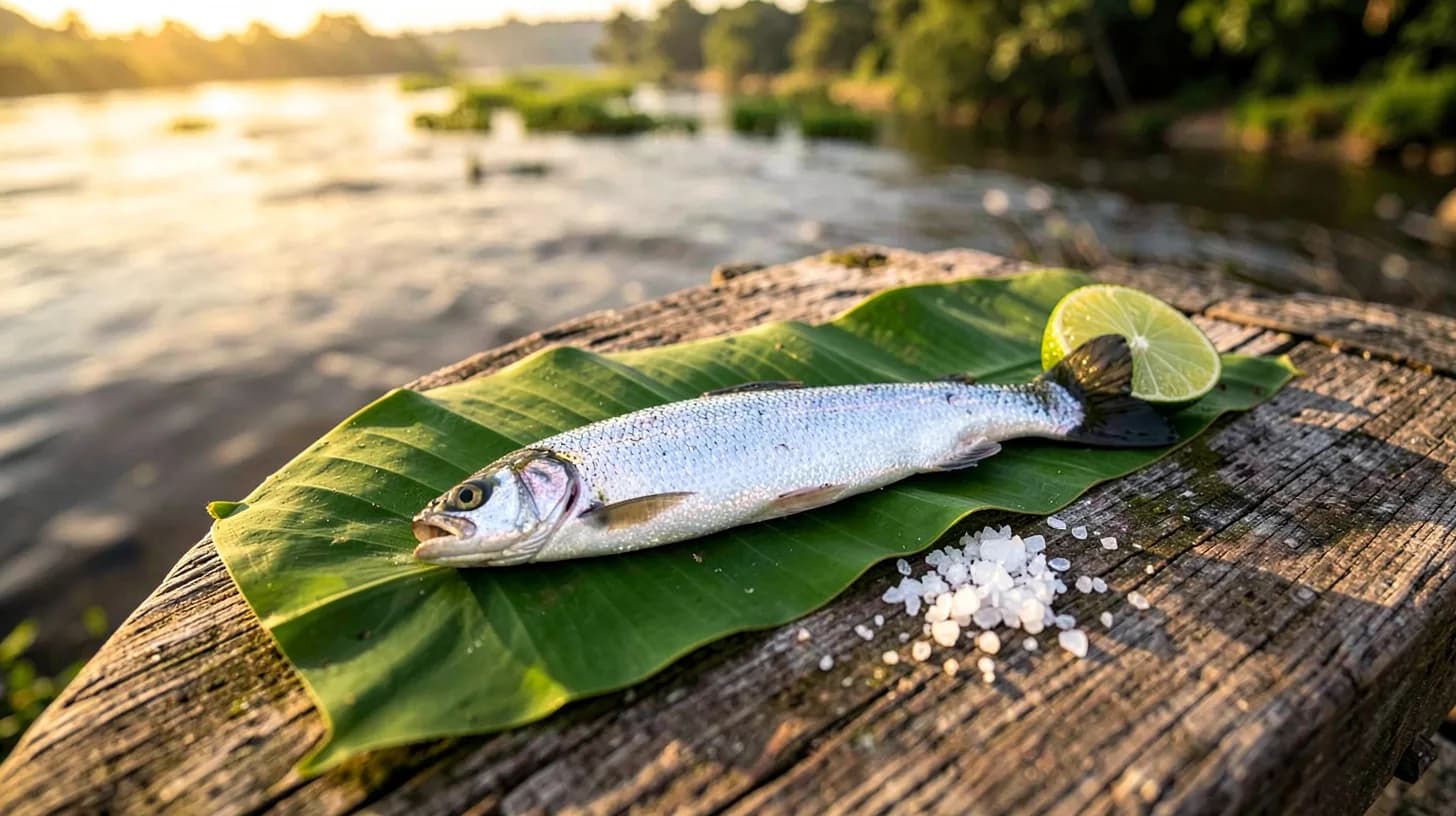
Bocachico, capaz, tilapia from Betania. What Huila's river actually feeds people, what that fish gives your body, and why the catch is getting harder to find.
5 min read