 Nutrition
Protein for Active Women: Needs, Sources and Timing Myths
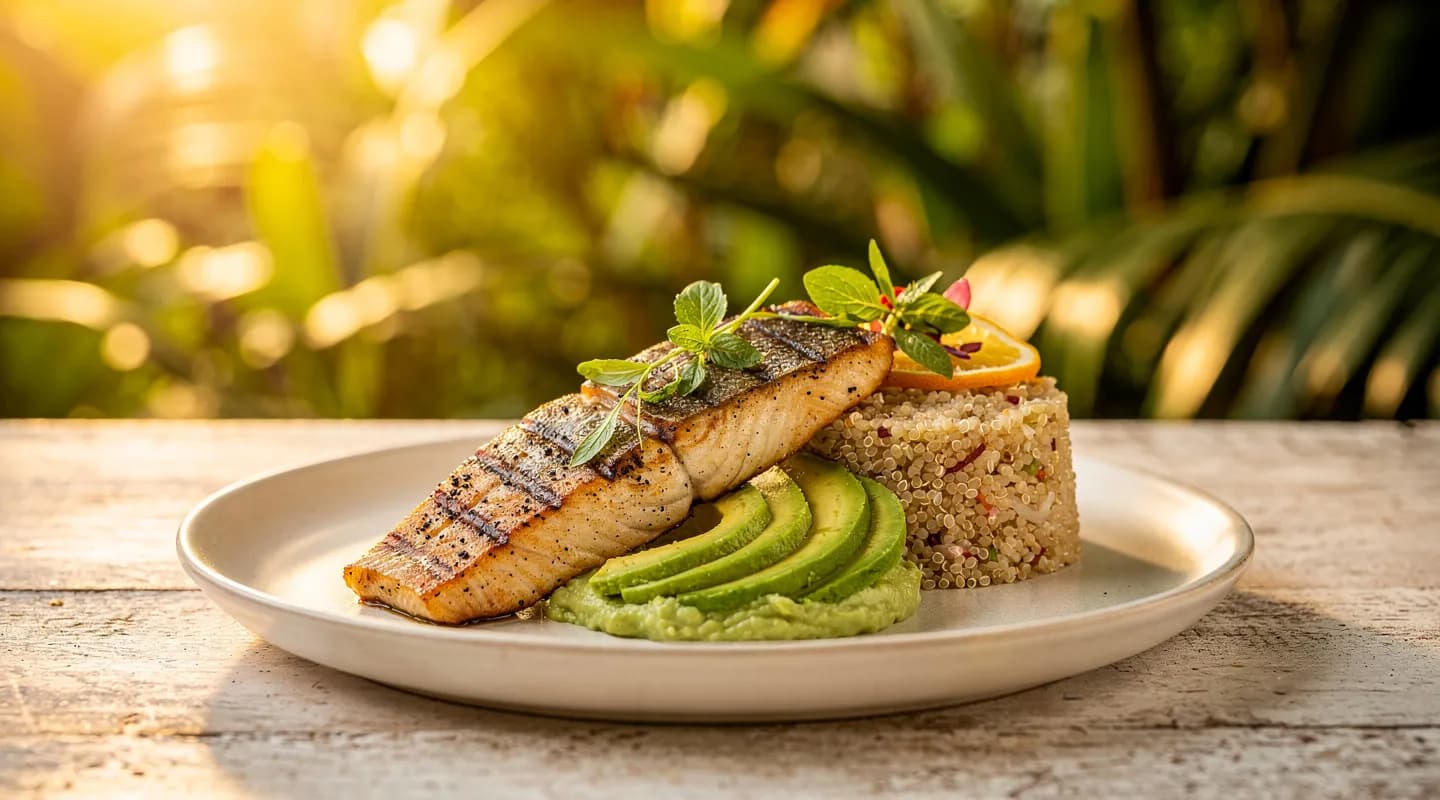
How much protein do active women really need, where should it come from, and does the post-workout window matter? A calm, evidence-informed guide without the bro-science.
5 min read

Nutrition
Phoenix Initiative5 min read
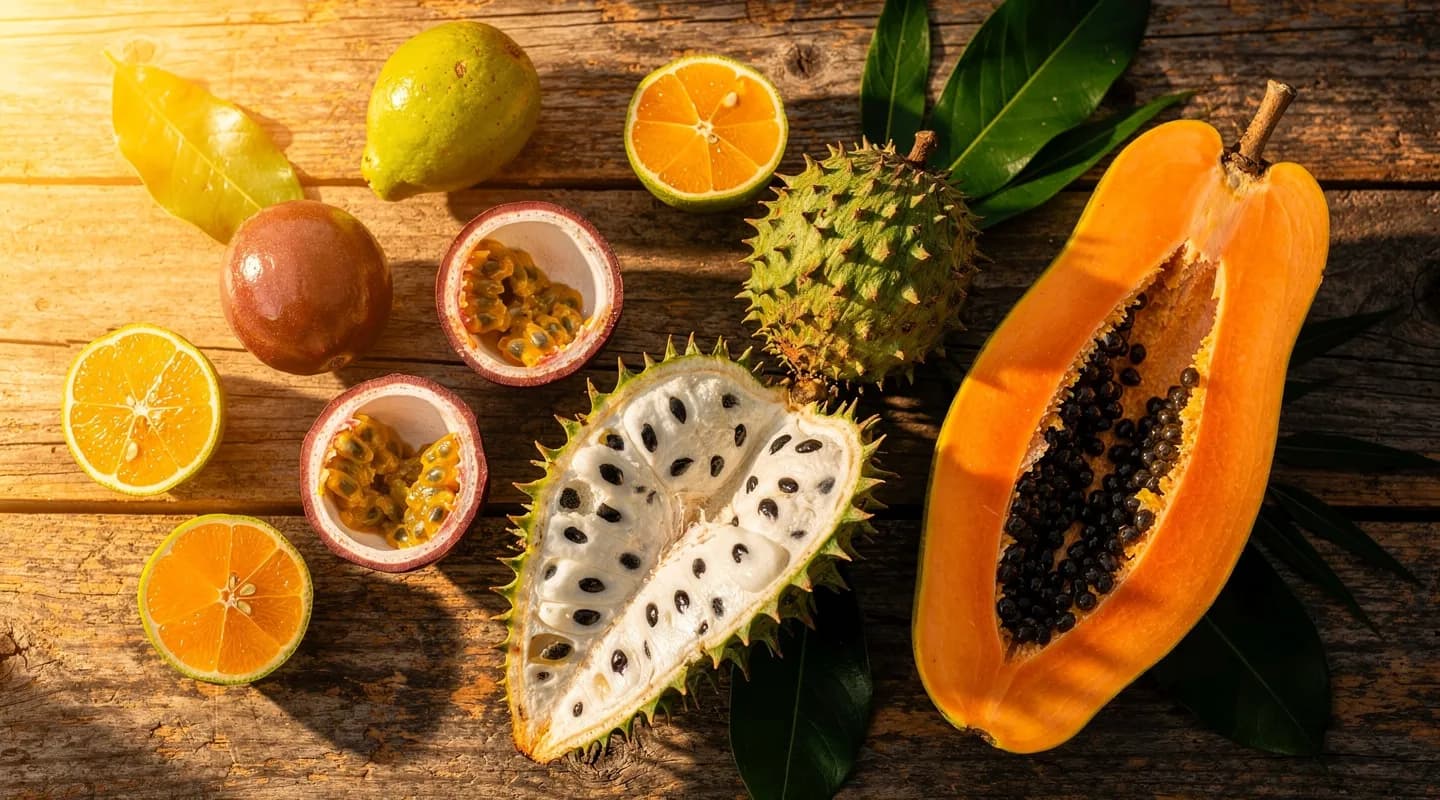
Walk through any market in Huila and you realize something quickly: you do not know fruit as well as you thought you did. Pyramids of orange, green and gold rise from every stall, and half of them have no name in your language. Colombia is one of the most biodiverse countries on Earth, and its fruit culture is a daily, delicious expression of that. Here are five fruits worth knowing before you ever set foot in the country — because once you taste them fresh, supermarket fruit back home will feel like a black-and-white photograph.
Lulo looks like a small orange persimmon, but cut it open and you find a green, juicy interior that tastes like a cross between rhubarb, lime and kiwi. Colombians rarely eat it out of hand — it shines blended into jugo de lulo, a tart, refreshing juice that is practically a national institution. In Huila, where lulo grows especially well, you will find it in juices, ice creams and desserts.
Why it earns its reputation: lulo is naturally low in sugar compared to many tropical fruits and bright with vitamin C. But honestly, the best reason to drink it is simpler — after a long hike or a hot afternoon, few things on this planet are as reviving as a cold glass of lulo juice.
Guanábana (soursop) is the largest fruit on this list — a spiky green giant that can weigh several kilos. Inside, the flesh is white, creamy and fragrant, somewhere between pineapple, strawberry and banana, with a texture close to custard. It is the base of one of Colombia's most beloved drinks: guanábana juice blended with milk, like a natural milkshake.
It is rich in fiber and vitamin C, and its soft sweetness makes it a favorite dessert fruit. If you see it on a menu as jugo en leche, order it once. You will order it twice.
You may have met uchuva at home under the name goldenberry or Cape gooseberry — small amber spheres wrapped in a papery husk, one of Colombia's proudest export crops. Fresh from the plant, they are something else entirely: tart, honeyed, almost tomato-like in their savory depth.
Uchuvas are a snacker's dream. They travel well, need no peeling beyond their husk, and deliver a burst of vitamins A and C in a package the size of a marble. Toss them into a fruit salad, blend them into smoothies, or simply eat them by the handful on a trail. In the Andean highlands they have been cultivated for centuries — this is an ancient food that happens to look like a jewel.
Maracuyá is Colombia's yellow passion fruit, and it does not do subtle. Crack open the smooth shell and you find a pulp of intense aroma — floral, sharp, unmistakable. It is too tart for most people to eat plain, which is exactly why it makes the best juices, sauces and desserts of the entire fruit kingdom.
A squeeze of maracuyá can replace vinegar in a dressing, lift a marinade for grilled fish, or turn plain yogurt into something you would pay for in a restaurant. It also carries fiber and vitamin C along with all that flavor. If lulo is Colombia's refreshment, maracuyá is its exclamation mark.
Arazá is the one your friends back home have almost certainly never heard of. Native to the Amazon basin, this soft yellow fruit bruises so easily that it barely travels — which is precisely why you should try it in Colombia, close to where it grows. Its flavor is intensely tart and aromatic, often compared to a wilder, more perfumed mango crossed with a sour peach.
Because it is so acidic, arazá is almost always enjoyed as juice, jam or dessert. Finding it is part of the pleasure: ask at local markets, and you will taste something that simply does not exist outside this corner of the world. Fruits like arazá are a reminder that biodiversity is not an abstract word — it is flavor you can only meet in person.
A few habits worth borrowing from Colombian tables:
None of this is about miracle foods — no single fruit will transform your health, whatever a label claims. What these five offer is better: variety, color, fiber, vitamins and genuine pleasure, which is what sustainable healthy eating is actually built on.
At Phoenix Oasis, the retreat we are building in Rivera, Huila, the restaurant is designed around exactly this idea: local, fresh, colorful food that makes eating well feel like a reward rather than a rule. The lulo will be growing practically next door. Come discover the stays we are creating at our retreat programs — and bring your appetite for the unknown.
NutritionHow much protein do active women really need, where should it come from, and does the post-workout window matter? A calm, evidence-informed guide without the bro-science.
5 min read
 Nutrition
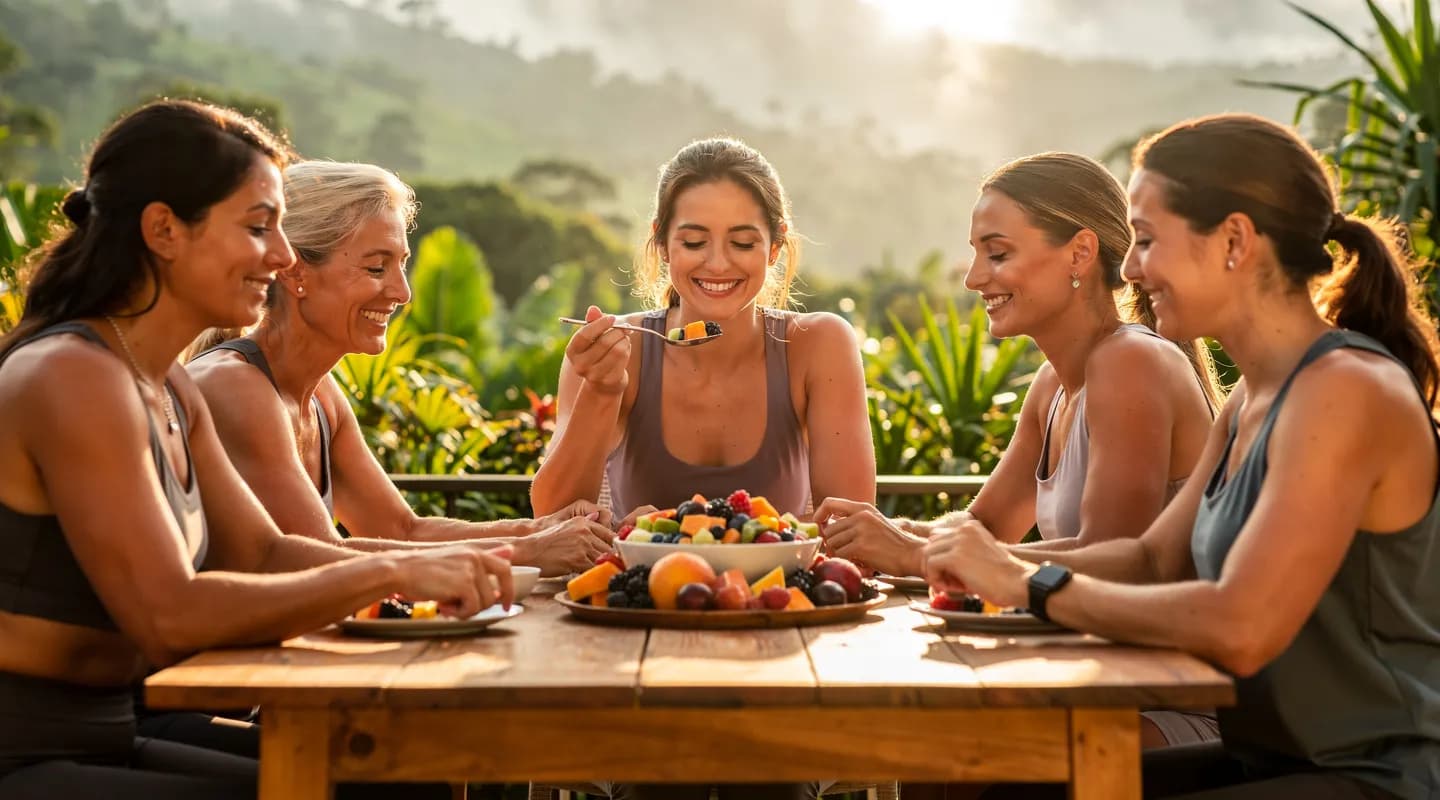
Most of us eat on autopilot — at desks, over screens, in cars. Here is what happens when you slow the meal down, and how to bring the retreat table home with you.
5 min read
 Nutrition
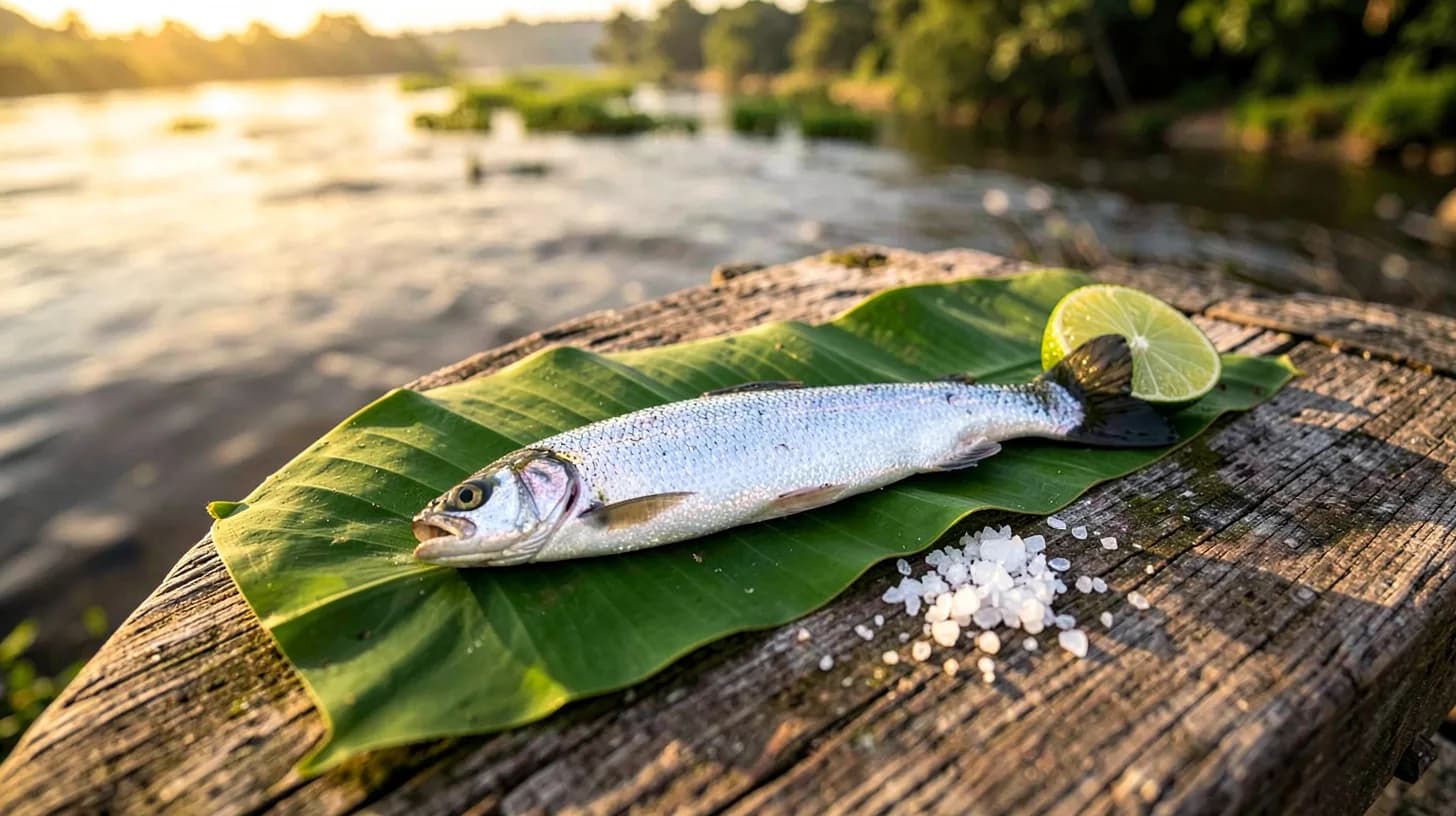
Bocachico, capaz, tilapia from Betania. What Huila's river actually feeds people, what that fish gives your body, and why the catch is getting harder to find.
5 min read