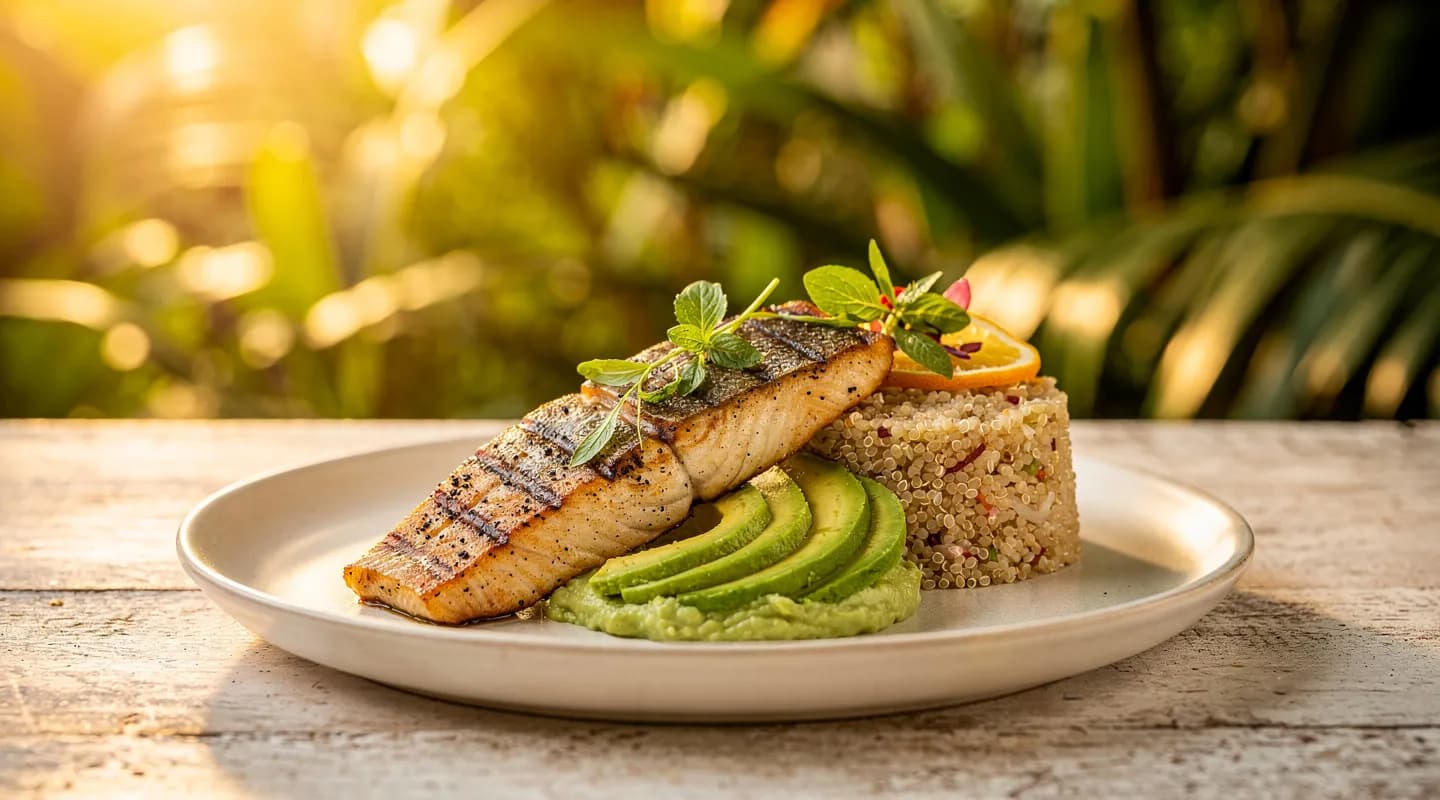
 Nutrition
Protein for Active Women: Needs, Sources and Timing Myths
How much protein do active women really need, where should it come from, and does the post-workout window matter? A calm, evidence-informed guide without the bro-science.
5 min read

Nutrition
Phoenix Initiative5 min read
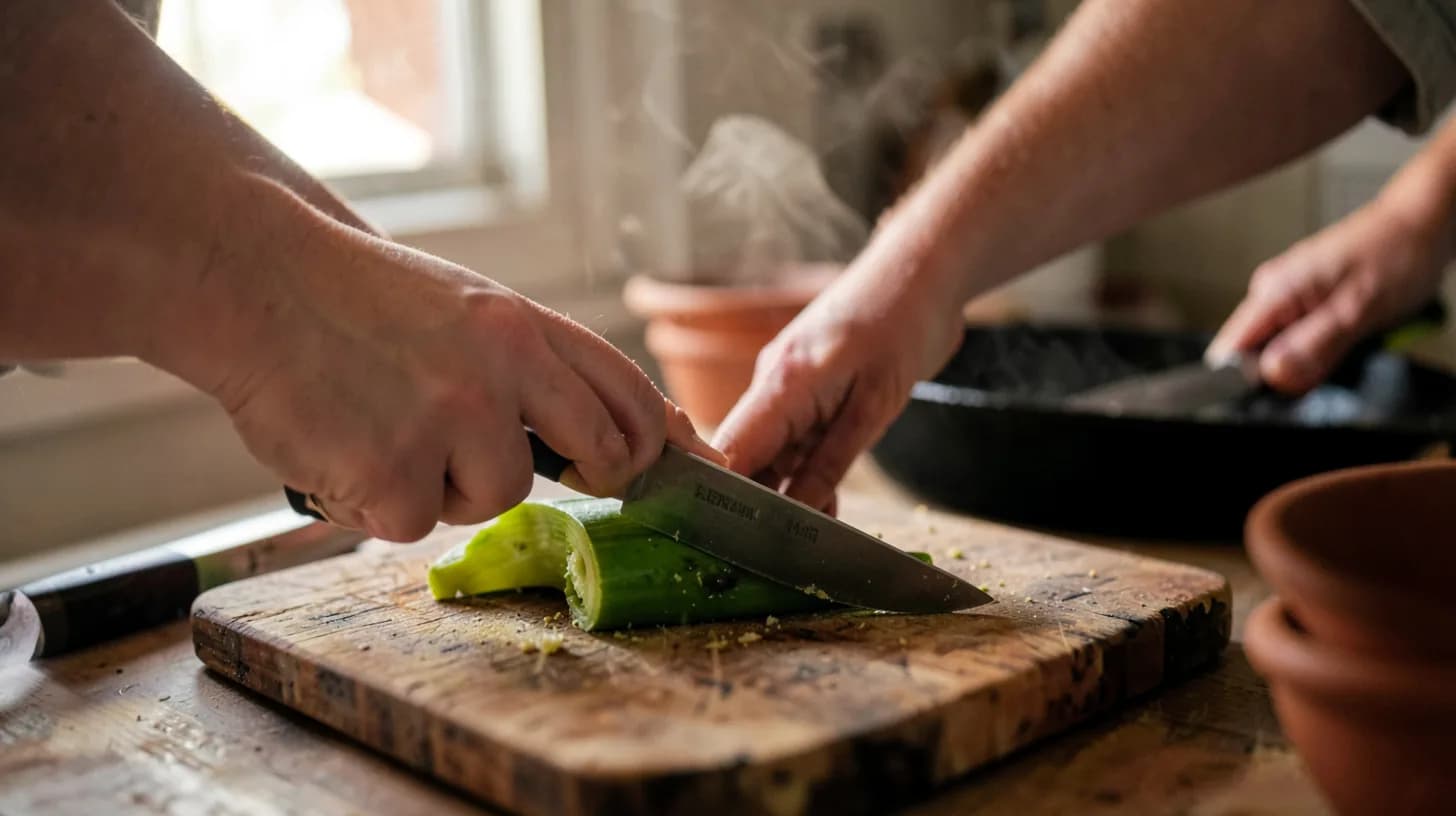
The first mistake visitors make is biting into one raw. A plantain looks like a large, slightly tired banana, and it behaves nothing like one: green and uncooked it is chalky, astringent and faintly hostile. Plantain is not fruit in the way a banana is fruit. It is a staple starch that happens to grow on a stalk, closer in role to a potato than to dessert.
Across the tropics — and certainly across Colombia — it is one of the foundations of the daily plate. It appears fried, boiled, roasted, mashed, in soup, as a chip and as a spoon. And for anyone training seriously in a hot climate, it is a remarkably useful carbohydrate, because the same fruit gives you two entirely different foods depending on when you pick it up.
The single most useful skill is learning to read ripeness, because the starch inside is converting to sugar the whole time.
A blackened plantain skin is not spoilage. It is the signal that the conversion is complete.
Raw green plantain runs to roughly 30 grams of carbohydrate per 100 grams, almost all of it starch, with very little sugar. As it ripens, a substantial share of that starch converts to simple sugars, which is why a ripe plantain tastes sweet and behaves faster in the body.
Two other things are worth knowing:
There is also vitamin B6, vitamin C, and — in the ripe, orange-fleshed stage — provitamin A carotenoids.
Because the two stages behave so differently, plantain is one of the few staples you can deliberately time.
One kitchen detail worth knowing: cooking starchy food and then cooling it increases its resistant starch content, a process called retrogradation. Yesterday's boiled plantain, eaten cold or reheated, is not the same food as it was hot from the pot — it is slightly gentler.
The frying is optional, incidentally. Boiled and roasted plantain are the everyday versions; the fried ones are the ones that travel into restaurant menus abroad.
Plantain is a natural fit for the agricultural plan taking shape on the 30 hectares of Phoenix Oasis in Rivera, Huila. It grows readily in this valley, it shades younger plantings while they establish, and it produces steadily rather than in a single annual burst.
The intention for the kitchen from July 2028 is exactly this kind of ingredient: local, unglamorous, deeply practical, and treated as a training food rather than a garnish. A green plantain before the climb and a ripe one after it is not a trend. It is what the region has done for a very long time, and it works.
You can see how the stays are being planned — or simply buy two plantains this week, one green and one black, and learn the difference by cooking it.
NutritionHow much protein do active women really need, where should it come from, and does the post-workout window matter? A calm, evidence-informed guide without the bro-science.
5 min read
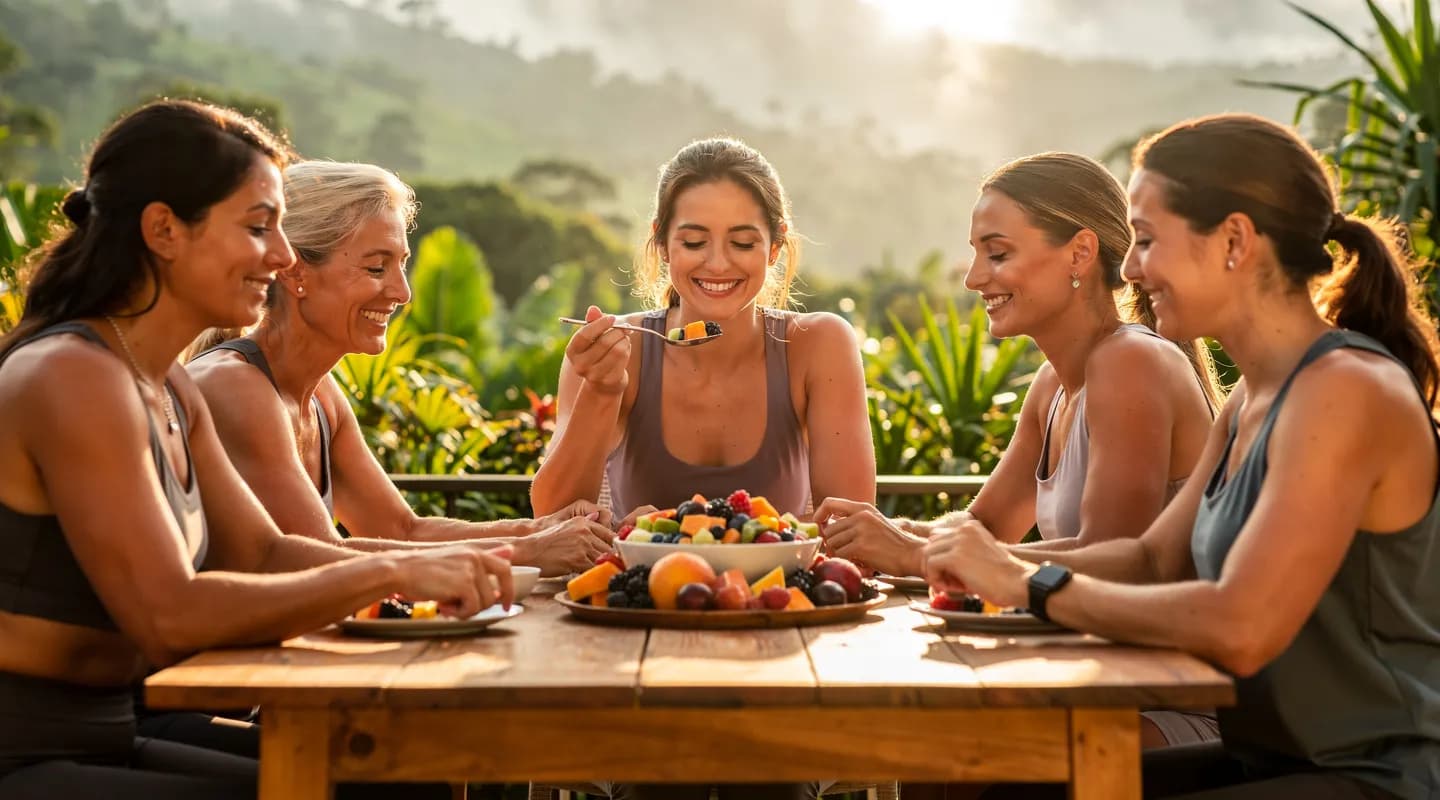 Nutrition
Most of us eat on autopilot — at desks, over screens, in cars. Here is what happens when you slow the meal down, and how to bring the retreat table home with you.
5 min read
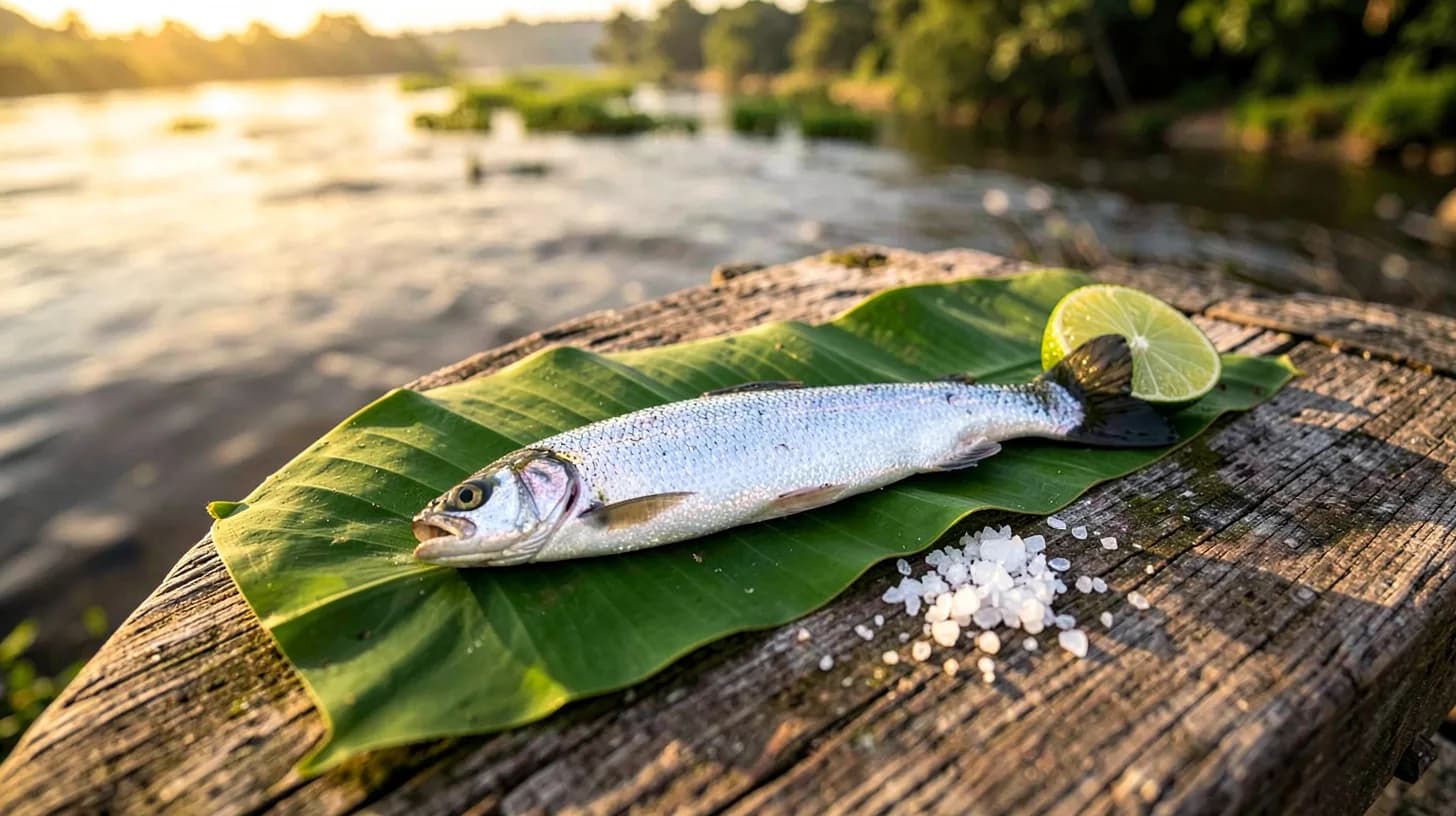 Nutrition
Bocachico, capaz, tilapia from Betania. What Huila's river actually feeds people, what that fish gives your body, and why the catch is getting harder to find.
5 min read