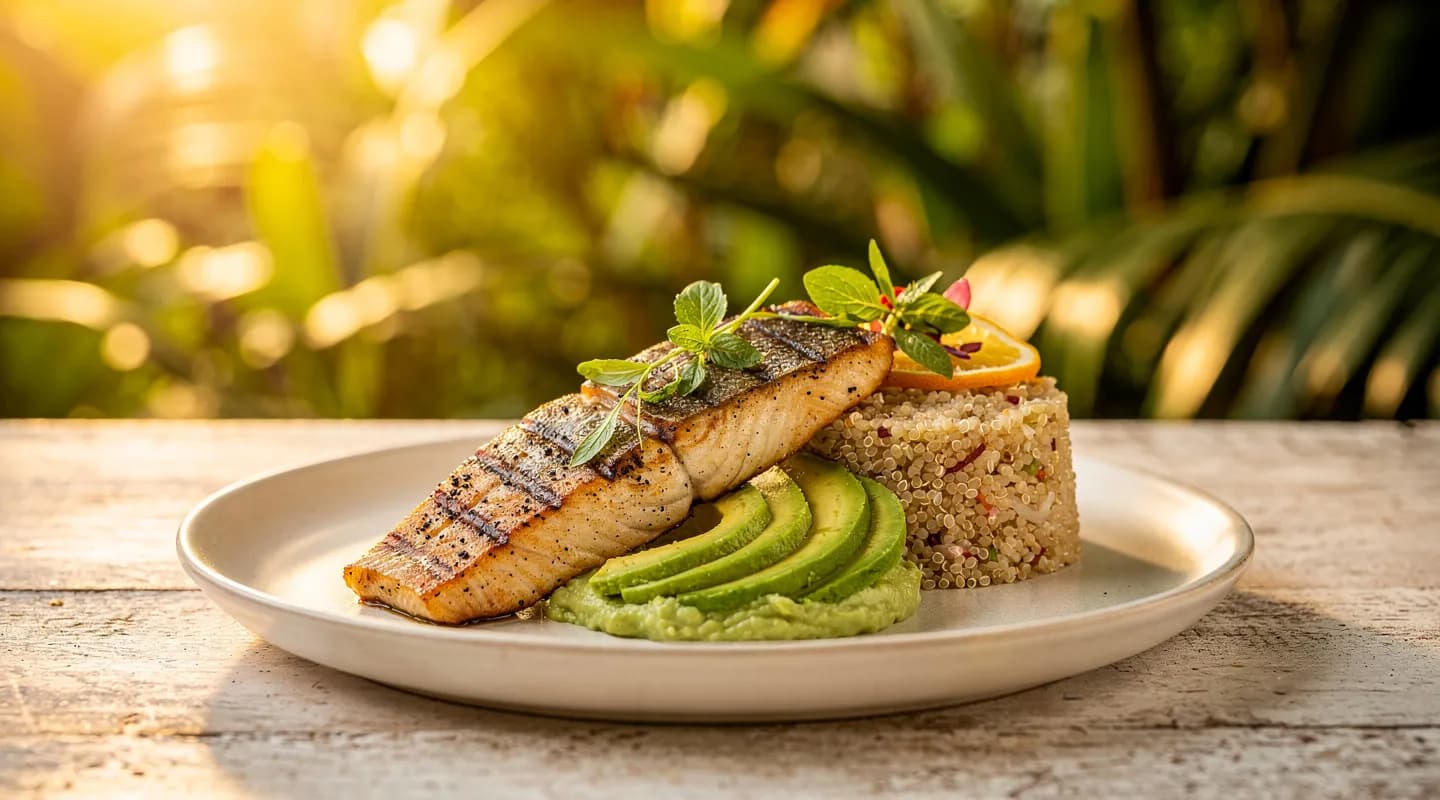
 Nutrition
Protein for Active Women: Needs, Sources and Timing Myths
How much protein do active women really need, where should it come from, and does the post-workout window matter? A calm, evidence-informed guide without the bro-science.
5 min read

Nutrition
Phoenix Initiative4 min read
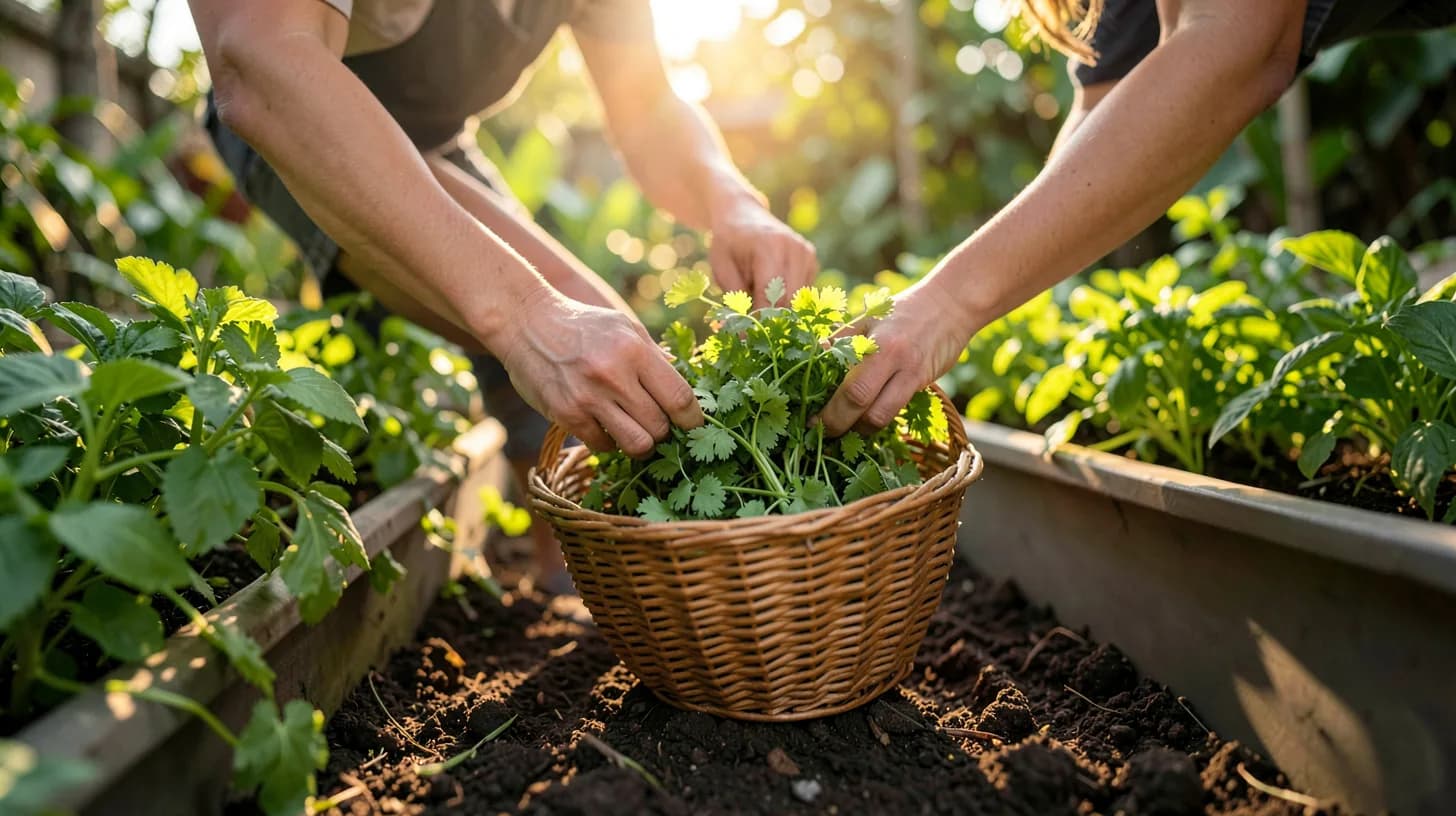
Cooking from a garden reverses the order of operations. In a normal week you decide what to eat, write a list, and go and buy it. With a productive garden ten metres from the stove, the garden decides first. You walk out, look at what is ready, and build the meal backwards from there.
This sounds like a small logistical difference. In practice it changes almost everything about how a kitchen works — what gets wasted, what gets learned, how food tastes, and how much of the cooking is improvisation rather than execution.
"Fresher tastes better" is true but vague. The specifics are more persuasive.
Once a leaf is cut, it does not stop being alive. It continues respiring, converting its own sugars, losing water and degrading the more fragile compounds it contains. Vitamin C is the classic example: it is water-soluble and readily oxidised, and leafy greens can lose a substantial share of theirs within days at room temperature. Folate behaves similarly. Refrigeration slows all of this considerably, which is why the supply chain is cold — but the clock still runs.
There is also a flavour version of the same process. Sweetcorn and peas convert sugars to starch after harvest. Herbs lose volatile aromatics steadily to the air. Lettuce wilts because it is still transpiring with no roots to supply it. The garden is not producing better vegetables so much as producing vegetables that have not yet had time to decline.
The tropical kitchen garden is not a European vegetable plot moved south. Different plants work, and some familiar ones behave badly.
Coriander is the standard example. In heat it bolts almost immediately, running to flower before you get more than a handful of leaves. The Colombian answer is cilantro cimarrón — Eryngium foetidum, sometimes called culantro or long coriander — a flat rosette of serrated leaves with a stronger version of the same flavour, and no interest at all in bolting. It is one of those substitutions that quietly solves a problem gardeners in the tropics otherwise fight forever.
Other reliable residents of a hot-country garden: ají dulce and other sweet chillies, ahuyama (squash) rambling wherever there is room, habichuelas climbing anything vertical, sweet potato as ground cover, yuca as a slow crop you dig when you need it, and hardy herbs — lemongrass, mint, basil, oregano — in the perennial corner. Plantain at the boundary provides both fruit and shade.
Not everything about garden produce is automatically better, and pretending otherwise is how people get hurt.
Wash what you pick, properly. Soil, irrigation water, animals and manure-based compost are all realistic sources of contamination, and "it came from my own garden" is not a substitute for rinsing under running water. Be particularly careful with anything eaten raw.
And know your plants before you eat them. Several ornamental and volunteer plants are toxic, some green potatoes and unfamiliar tubers are genuinely dangerous, and identifying a plant from a photograph is not reliable enough to bet a meal on. If you are pregnant, immunocompromised, or feeding very young children, food safety questions are worth raising with a health professional rather than resolving from the internet.
Phoenix Oasis will open on 30 June 2028, on thirty hectares in Rivera, Huila. The plan places a kitchen garden immediately beside the kitchen rather than out on the land — herbs, greens, chillies and squash within walking distance of the pans, so that what is cut at eleven can be on a plate at one.
That layout is not decorative. It is the only arrangement in which a cook can genuinely build a menu from what is ready, because anything further away turns into a delivery and starts behaving like a supply chain.
You can run a small version of this on a windowsill, and it is worth doing before you ever set foot in a valley in Huila. Three pots — mint, basil and something with a chilli on it — will change more meals than you expect, because the habit is not really about horticulture. It is about walking a few steps to look before you decide, which is a different relationship with food than reading a list. More about how the site is being planned is on the retreats page.
NutritionHow much protein do active women really need, where should it come from, and does the post-workout window matter? A calm, evidence-informed guide without the bro-science.
5 min read
 Nutrition
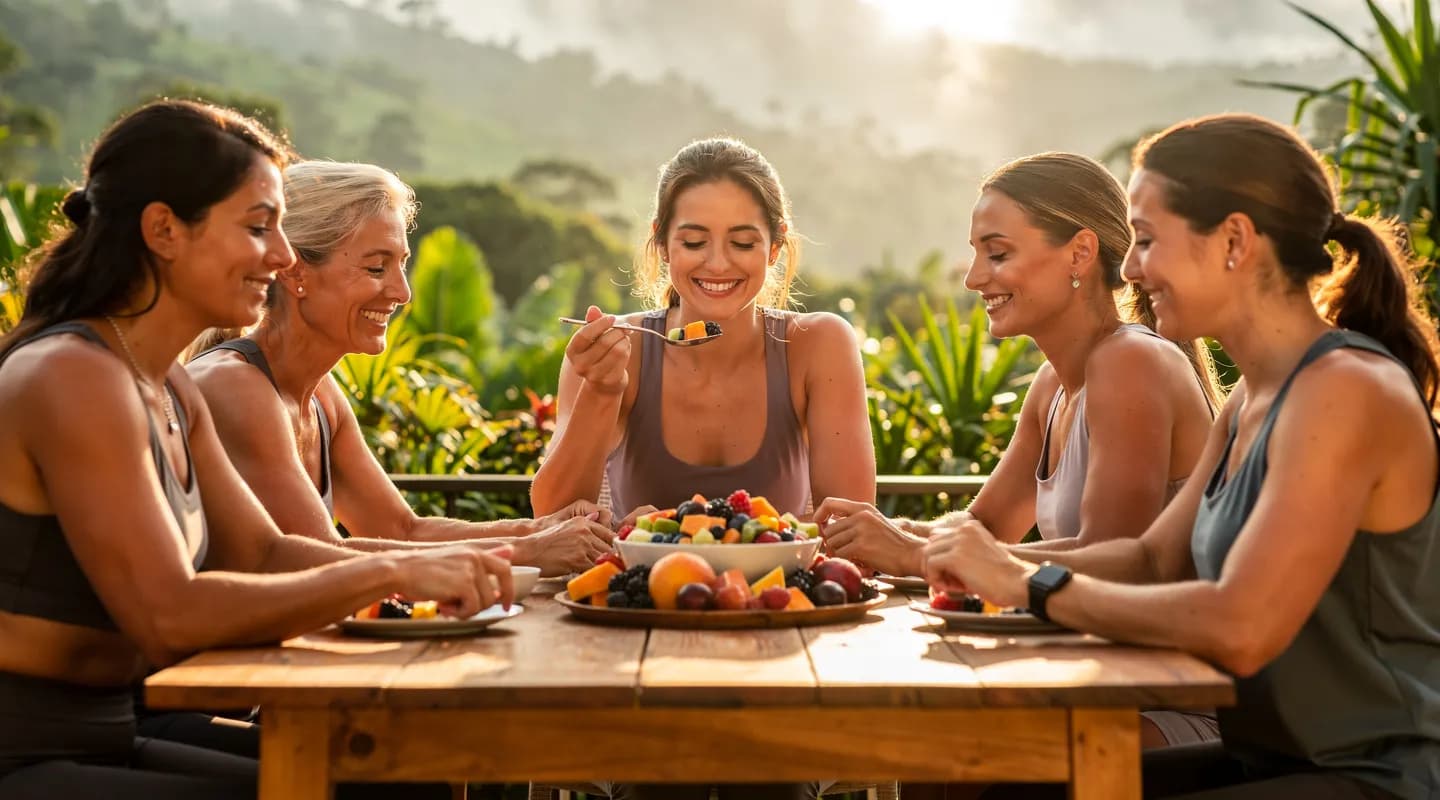
Most of us eat on autopilot — at desks, over screens, in cars. Here is what happens when you slow the meal down, and how to bring the retreat table home with you.
5 min read
 Nutrition
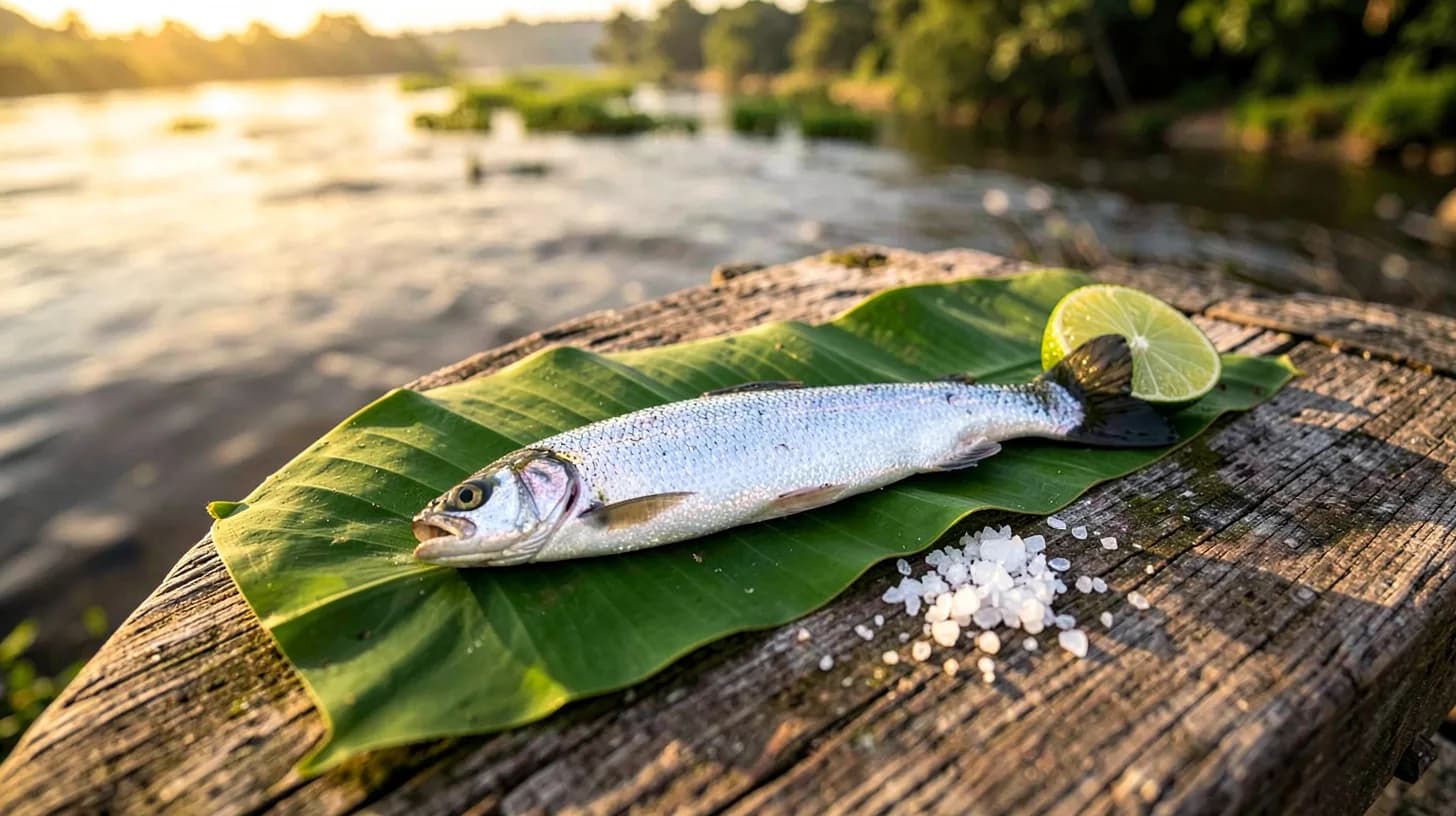
Bocachico, capaz, tilapia from Betania. What Huila's river actually feeds people, what that fish gives your body, and why the catch is getting harder to find.
5 min read