 Nutrition
Protein for Active Women: Needs, Sources and Timing Myths
How much protein do active women really need, where should it come from, and does the post-workout window matter? A calm, evidence-informed guide without the bro-science.
5 min read

Nutrition
Phoenix Initiative5 min read
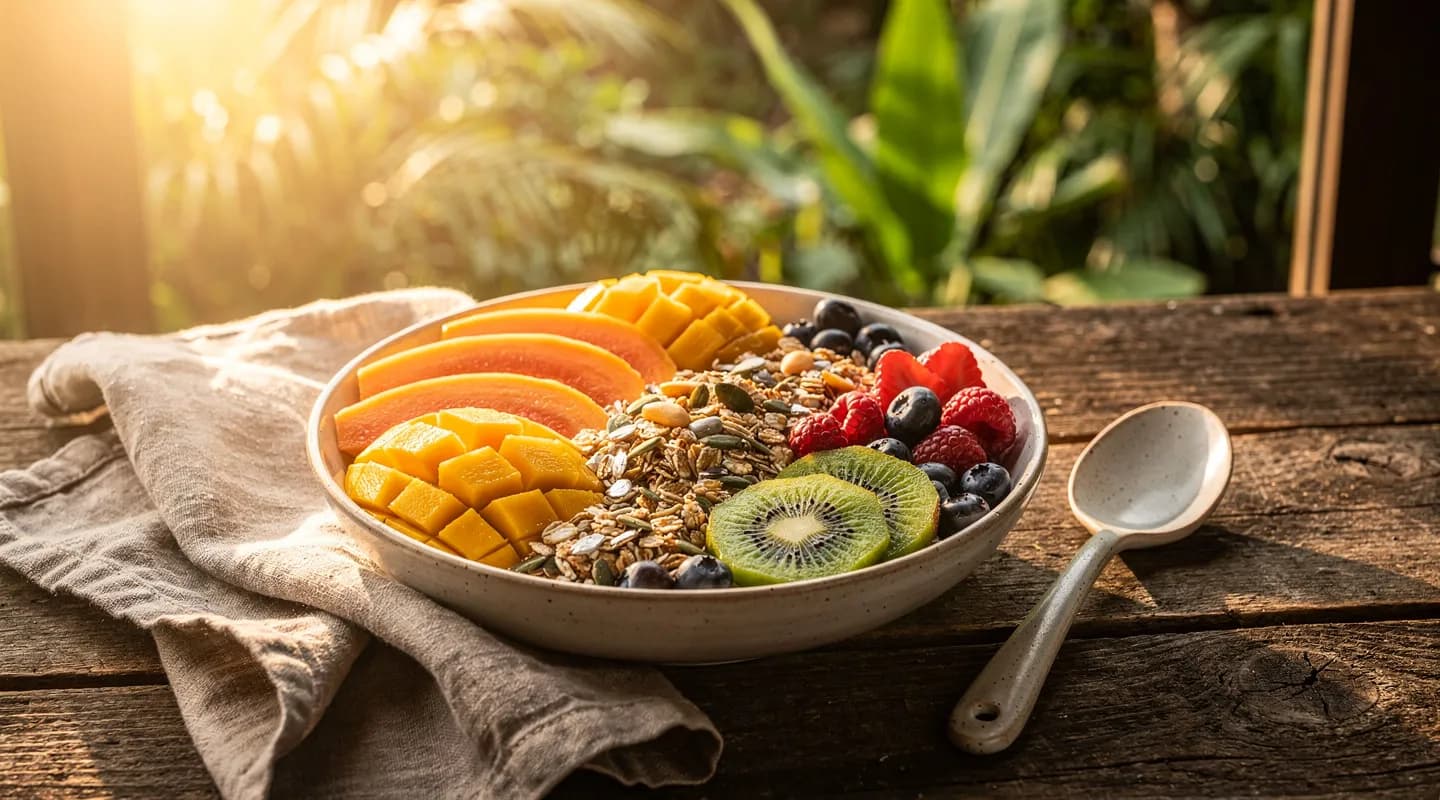
Somewhere along the way, many of us learned that eating well means eating less. Smaller portions, skipped meals, foods sorted into "good" and "bad", and a quiet math of guilt running in the background of every plate. Then you start training — really training — and that entire framework collapses. Because a body that lifts, hikes, boxes and recovers is not a body to be shrunk. It is a body to be fueled. Shifting from restriction thinking to energy thinking is one of the most liberating changes an active woman can make, and it changes far more than your workouts.
Every session you do writes a check that your meals have to cash. Muscles adapt, tissues repair and energy stores refill between workouts — and all of that runs on what you eat. Chronically under-fuel and the signs show up predictably: workouts feel flat, progress stalls, sleep gets restless, mood dips, and small injuries linger longer than they should.
Sports science has a name for the severe end of this pattern — low energy availability — and it is especially relevant for women, because the body protects itself by dialing down functions it considers optional, including aspects of hormonal health. You do not need to memorize the physiology. You just need the principle: consistent training deserves consistent fuel. Eating enough is not a lack of discipline. It is the discipline.
Restriction thinking starts with what to remove. Energy thinking starts with what to include. A simple mental template for an active day:
Notice what is missing from that template: a list of forbidden foods. When the foundation is solid, there is room for dessert, bread, a slow Sunday pastry. No single meal builds you or breaks you — patterns do.
You do not need to eat by stopwatch, but a few loose rhythms genuinely help:
Here is a reframe worth keeping: hunger after a training block is your body doing exactly what it should. Appetite rises because demand rose. Responding to it with real food is not "undoing your workout" — it is completing it.
The same goes for energy dips. Before blaming your motivation, audit your fuel: Did you eat enough today? Enough carbs before that session? Enough overall this week? Active women are remarkably quick to question their character and remarkably slow to question their calories. Flip that order.
You cannot pour from an empty cup — and you cannot train from an empty tank.
At Phoenix Oasis we talk about the 1% philosophy: one percent better every day compounds into transformation. It applies beautifully to food, because sustainable change is built from small, boring, repeatable upgrades — not from Monday-morning revolutions.
Some 1% moves that cost almost nothing:
None of these will make headlines. All of them, repeated, will change how you feel in a month.
When we designed the future restaurant at Phoenix Oasis — the women-only retreat we are building in Rivera, Huila — this was the brief: abundance, not restriction. Plates built around local Colombian produce, enough fuel for mornings of HIIT and strength and afternoons of waterfall hikes, and zero guilt on the menu. Because the goal was never to leave lighter. It is to leave stronger.
Curious how a fully fueled week of training could reshape yours? Explore the retreat programs we are creating — from 7 to 28 days of training, eating and recovering like it all counts. Because it does.
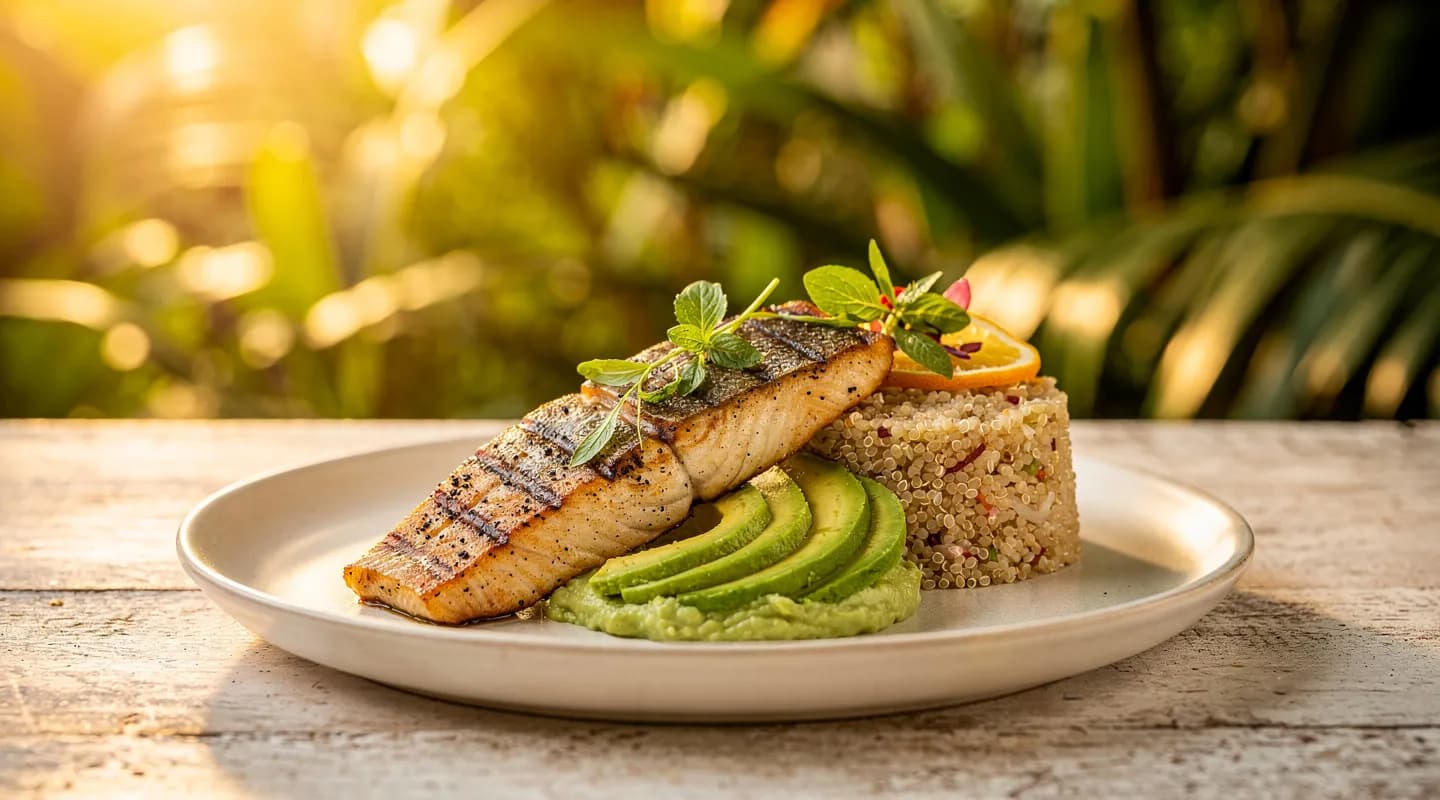
NutritionHow much protein do active women really need, where should it come from, and does the post-workout window matter? A calm, evidence-informed guide without the bro-science.
5 min read
 Nutrition
Most of us eat on autopilot — at desks, over screens, in cars. Here is what happens when you slow the meal down, and how to bring the retreat table home with you.
5 min read
 Nutrition
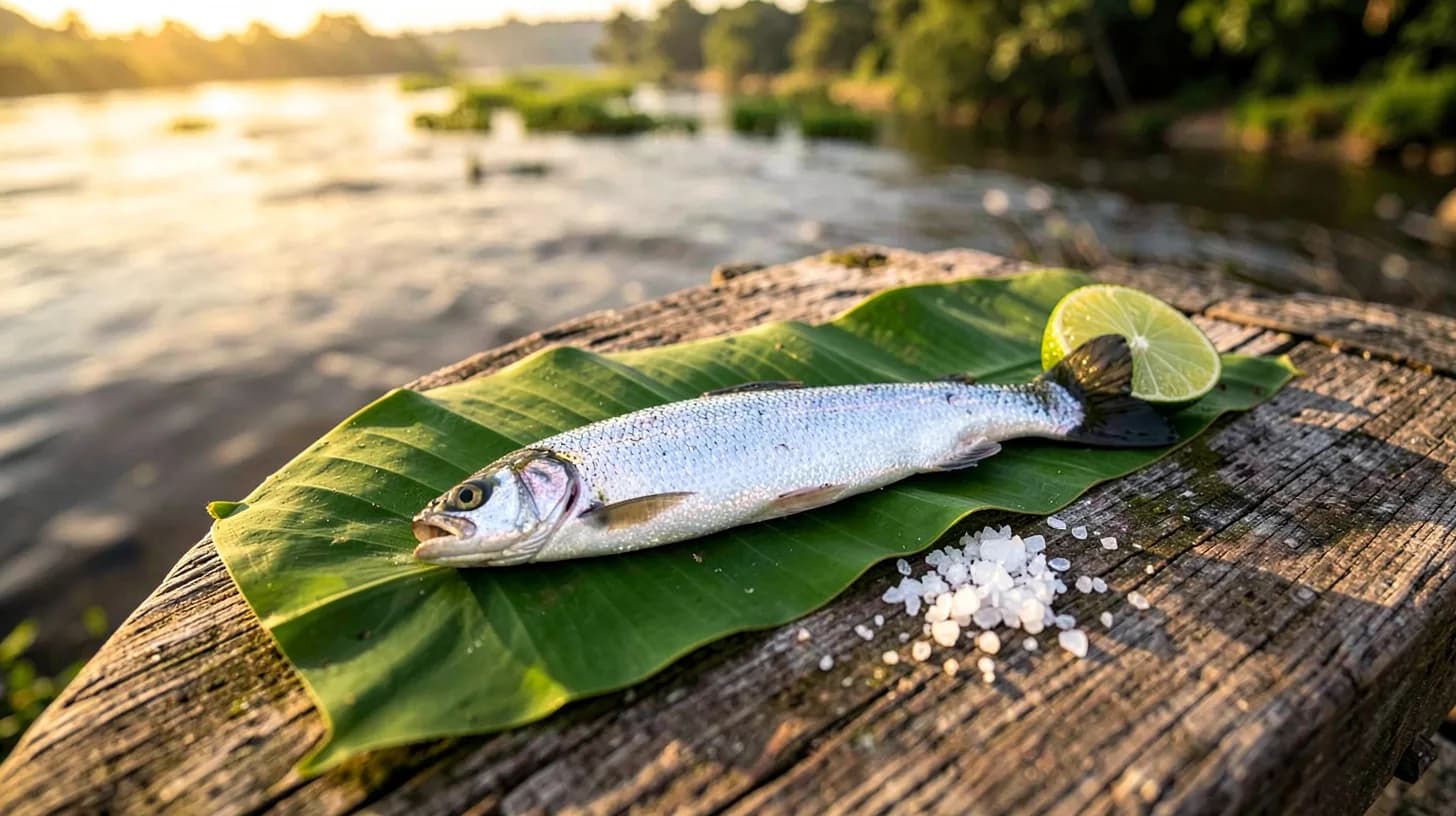
Bocachico, capaz, tilapia from Betania. What Huila's river actually feeds people, what that fish gives your body, and why the catch is getting harder to find.
5 min read