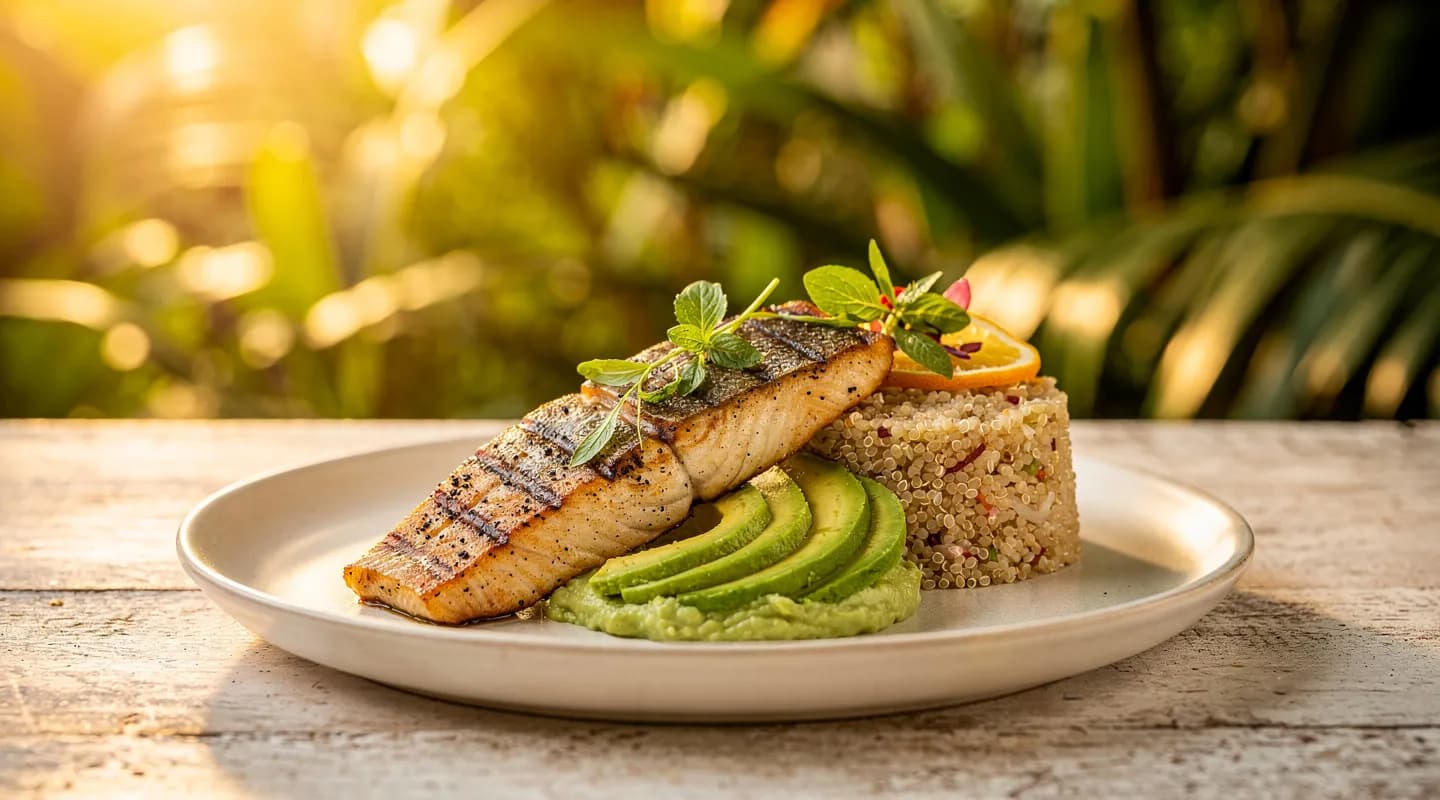
 Nutrition
Protein for Active Women: Needs, Sources and Timing Myths
How much protein do active women really need, where should it come from, and does the post-workout window matter? A calm, evidence-informed guide without the bro-science.
5 min read

Nutrition
Phoenix Initiative5 min read
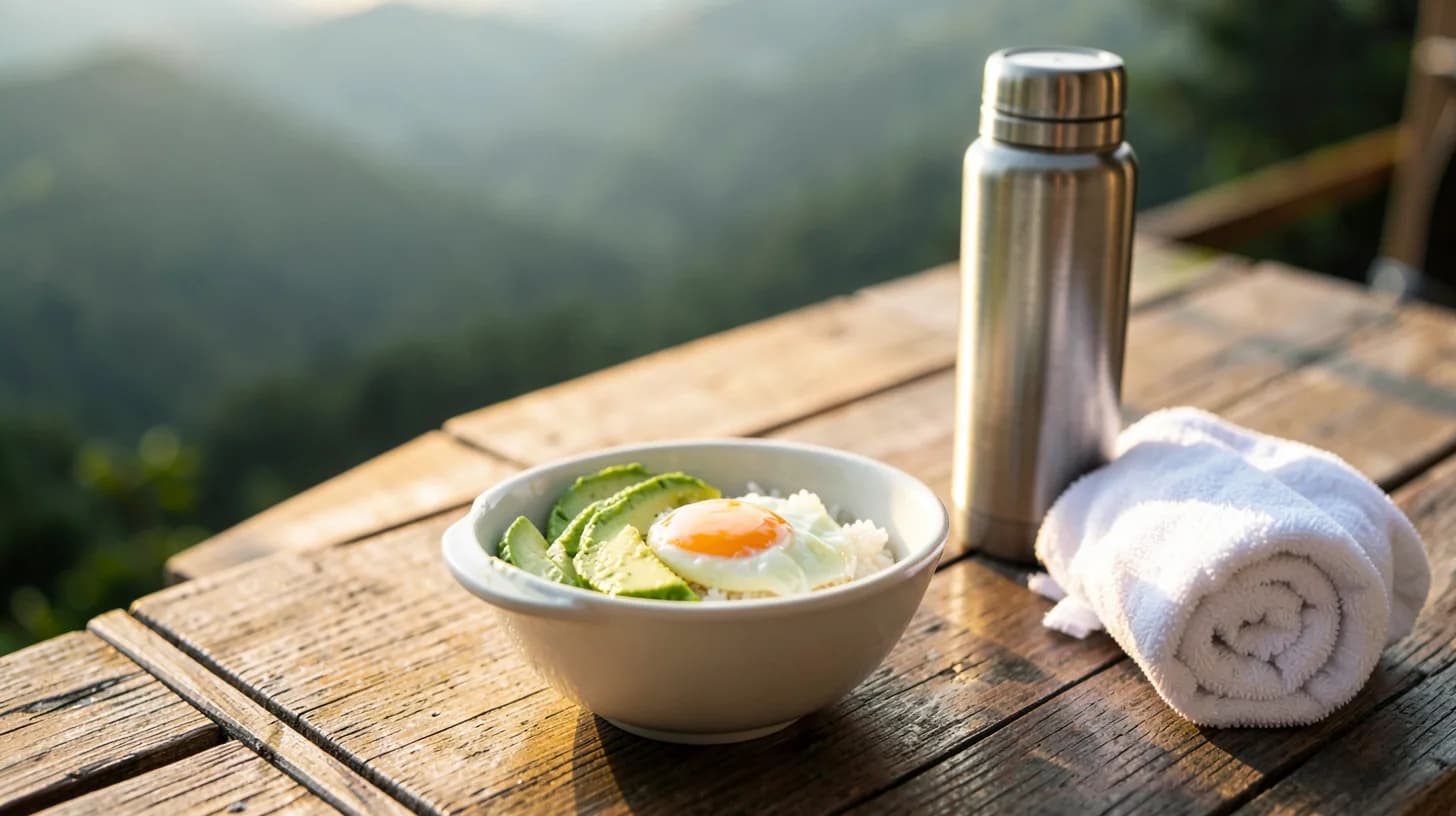
In a temperate climate, eating around training is mostly a question of quantity. In the tropics it becomes a question of timing, and the difference is not subtle. The same breakfast that sits comfortably before a session at eighteen degrees can turn into a heavy, sloshing problem at thirty-two with humidity to match.
The reason is circulatory. When you exercise in heat, your body diverts a large share of blood flow to the skin to shed warmth, and to the working muscles to keep them supplied. That blood comes from somewhere, and one of the places it comes from is the digestive tract. Reduced gut blood flow means slower gastric emptying, slower absorption, and a much higher chance of nausea, cramping or that specific misery of a stomach that will not cooperate.
Nothing about this makes eating well harder. It makes when you eat considerably more important.
The further from the session, the more you can eat. The closer you get, the simpler and more liquid it should become.
Hydration follows the same logic. Drinking a substantial amount two to three hours before a session gives your kidneys time to sort it out; drinking the same volume five minutes before just gives you a full stomach.
For sessions under an hour, you do not need to eat. Your stored glycogen covers it, and adding food mid-session in the heat is usually counterproductive.
Past sixty to ninety minutes of continuous work, carbohydrate during the session genuinely improves both performance and how you feel, in the range of thirty to sixty grams per hour for most people. Sports drinks, diluted juice, ripe fruit and simple sweets all work; the body cares about the sugar, not the branding.
The variable that changes most in the tropics is sodium. Heavy, prolonged sweating loses meaningful salt, and replacing water alone over many hours is the wrong end of the trade. For long sessions in heat, an electrolyte drink or salted food matters more than it would at home.
The idea that you have thirty minutes to eat after training or the session is wasted has not survived scrutiny. For most people, on most days, total daily protein and carbohydrate intake matters far more than the precise clock time of the first bite.
Two situations genuinely justify eating promptly:
A reasonable target after a hard session is a meal or snack combining carbohydrate with roughly twenty to forty grams of protein — eggs, beans with rice, fish, yoghurt, a milk-based jugo en leche. If you have specific medical or nutritional needs, that is a conversation for a qualified professional rather than an article.
Here is what nobody warns you about: heat suppresses appetite. After a hard session in high temperatures, elevated core temperature can leave you genuinely uninterested in food for an hour or more, which is a problem when you have a real recovery need and no desire to meet it.
Three things help:
A workable rhythm looks something like this: a small carbohydrate snack before a dawn session, real breakfast afterwards, the largest meal at midday, a light second session in the late afternoon with fruit beforehand, and a modest dinner. Salt the food, drink steadily through the day rather than in bursts, and keep the heaviest meal well away from the hottest training hours.
The daily structure planned for Phoenix Oasis in Rivera, Huila, follows exactly this equatorial logic: training at the cool edges of the day, the substantial meal at midday, and a kitchen designed to serve food at the hours when bodies can actually use it rather than at the hours a hotel schedule would suggest.
When the first stays begin in July 2028, the timetable itself will be doing some of the work. Until then, the change worth making is small and free: move your largest meal earlier, and put a piece of fruit between you and your morning session. You can see how the days are being designed whenever you are curious.
NutritionHow much protein do active women really need, where should it come from, and does the post-workout window matter? A calm, evidence-informed guide without the bro-science.
5 min read
 Nutrition
Most of us eat on autopilot — at desks, over screens, in cars. Here is what happens when you slow the meal down, and how to bring the retreat table home with you.
5 min read
 Nutrition
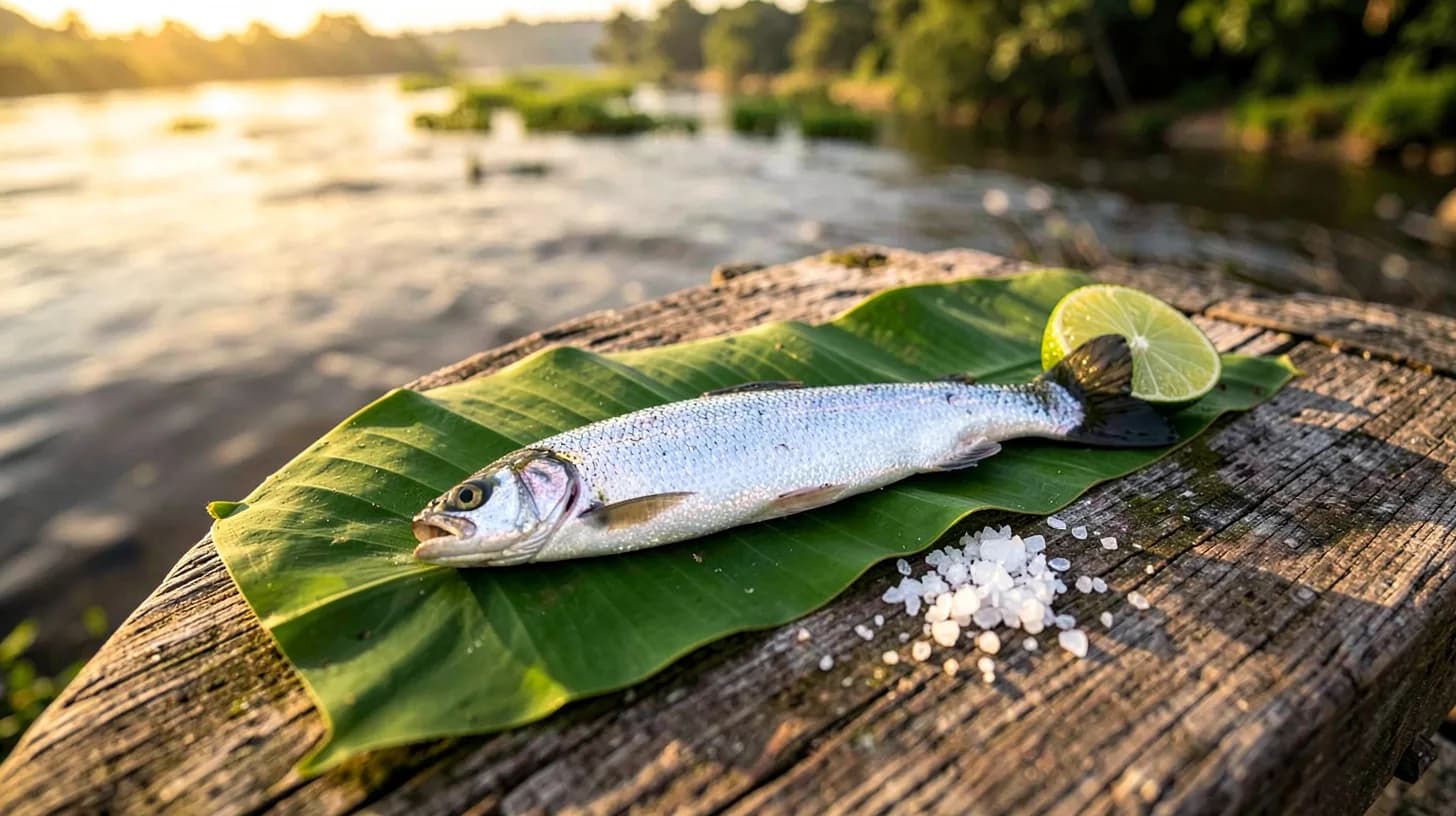
Bocachico, capaz, tilapia from Betania. What Huila's river actually feeds people, what that fish gives your body, and why the catch is getting harder to find.
5 min read