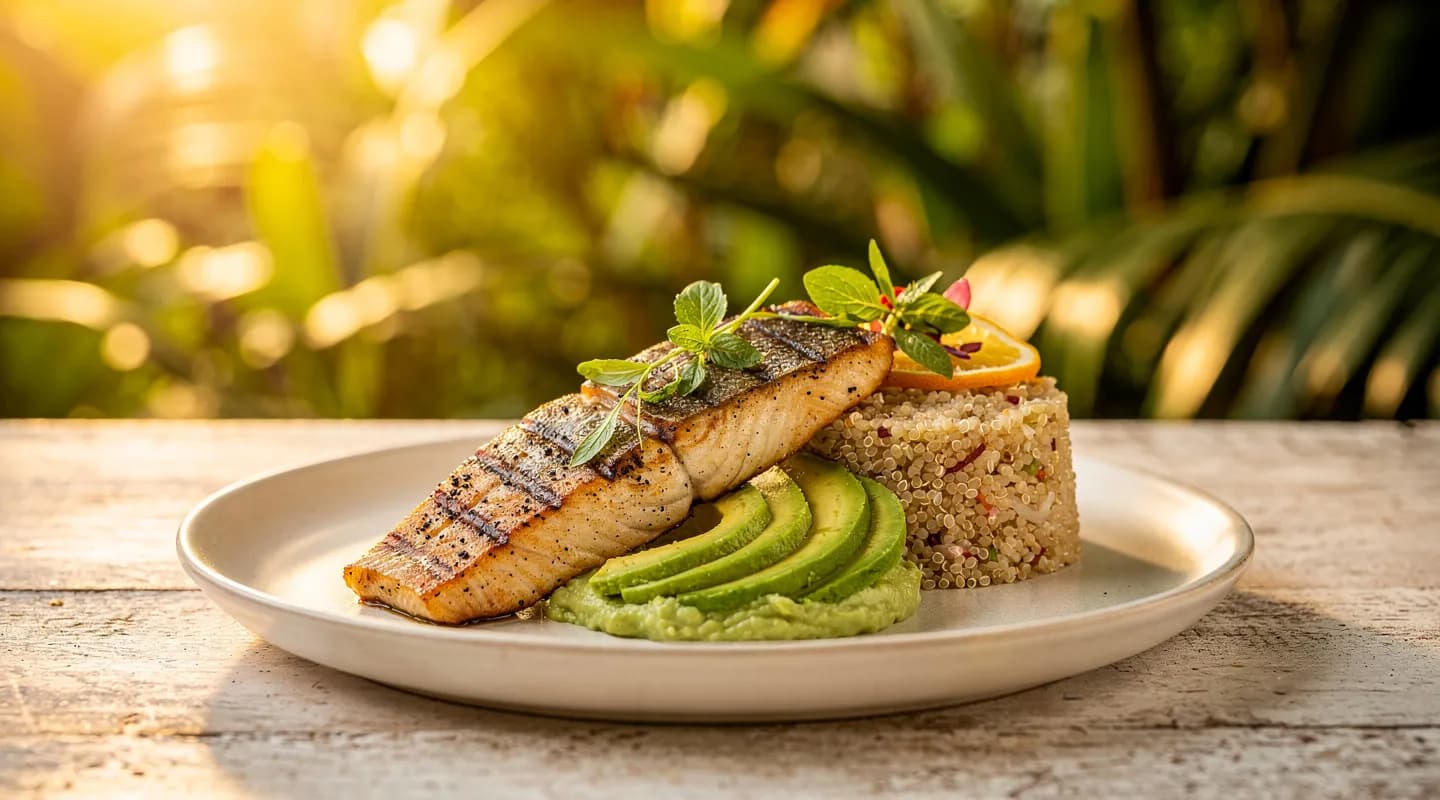
 Nutrition
Protein for Active Women: Needs, Sources and Timing Myths
How much protein do active women really need, where should it come from, and does the post-workout window matter? A calm, evidence-informed guide without the bro-science.
5 min read

Nutrition
Phoenix Initiative5 min read
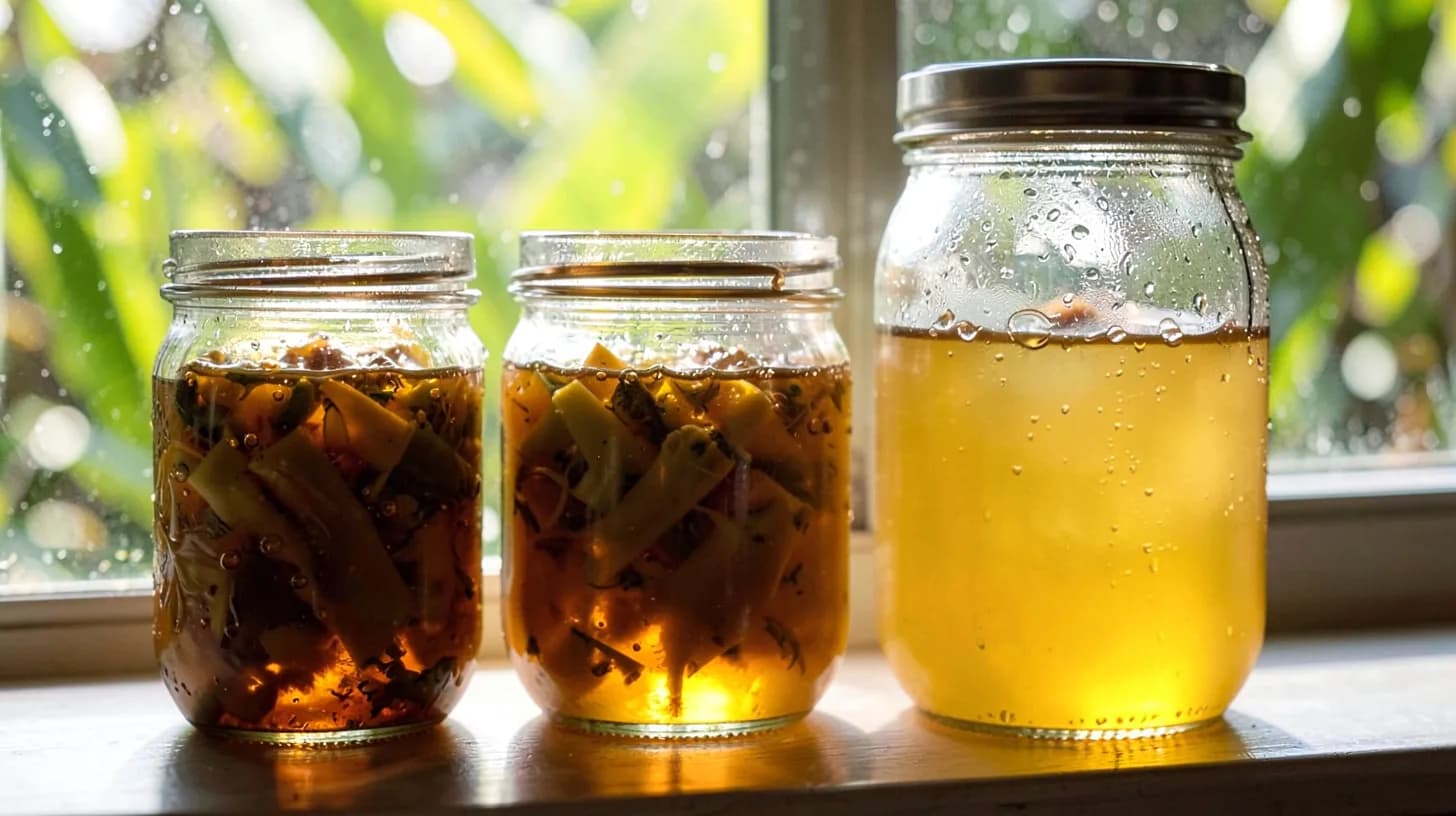
Long before anyone had a word for microbiology, every food culture on earth had worked out that leaving certain things alone, under certain conditions, made them keep longer and taste better. Fermentation is the oldest food technology we have, and it was invented independently everywhere, which tells you how useful it is.
Colombia has a deep fermentation tradition, most of it unlabelled and unmarketed. It sits in a clay jar at the back of a kitchen, in a drink sold at a market stall, in the salty cream spooned onto a hot arepa — and, less obviously, in the coffee that made Huila famous.
The subject also carries an enormous amount of marketing noise. So here is a plain account: what fermentation is, what Colombia does with it, and what the evidence does and does not support.
Fermentation is the controlled transformation of food by microorganisms — mostly lactic acid bacteria and yeasts — which consume sugars and produce acids, alcohol, gases and a large cast of aromatic compounds.
Three things happen at once:
Here is the part that surprises people in coffee country. Every cup of washed coffee has passed through a fermentation step: after the cherries are pulped, the sticky mucilage around the beans is broken down by microorganisms over roughly twelve to thirty-six hours before washing and drying.
Huila producers have pushed this further than almost anyone, with controlled and anaerobic fermentations that treat the tank as a flavour instrument — extended times, sealed vessels, tracked temperatures. The tropical fruit and floral notes that made Huila's specialty lots internationally sought-after are, in large part, fermentation products.
Cacao works the same way. Beans are fermented in wooden boxes for several days, and without that step, chocolate simply does not taste like chocolate.
The honest summary: promising, real, and routinely overstated.
The strongest recent human evidence comes from a Stanford trial published in Cell in 2021, in which participants eating a diet high in fermented foods for ten weeks showed increased gut microbial diversity and decreased markers of inflammation, while a high-fibre arm did not produce the same effect over that period. That is a genuinely interesting result, and it is one study on a small group.
What the evidence does not support is the idea that any fermented food cures anything, or that "probiotic" on a label means much. Probiotic effects are strain-specific and dose-specific; a generic claim is close to meaningless.
Not all fermented foods deliver live microbes to your gut, and it is worth knowing which is which.
Both categories are worth eating. Only the first is relevant to any argument about gut bacteria.
Traditional chicha, masato and guarapo can contain meaningful alcohol depending on how long they have fermented — worth knowing before a second glass. Some ferments are very high in salt. People with histamine sensitivity often react to them. And anyone pregnant, immunocompromised or managing a digestive condition should raise fermented foods with a health professional rather than experimenting, particularly with unpasteurised products.
The kitchen planned for Phoenix Oasis in Rivera, Huila, will sit in the middle of one of the world's great fermentation landscapes — coffee on every slope, cacao nearby, panela and cane in the valley. The intention is to treat that as a working larder rather than a decorative theme: ferments made on site, coffee from producers who understand exactly what happens in their tanks.
When the first stays begin in July 2028, that will be part of the food rather than a workshop bolted onto it. Until then, the useful experiment is small: buy a jar of something genuinely alive, eat a little most days, and pay attention. You can read about what is planned for the Oasis while it ferments.
NutritionHow much protein do active women really need, where should it come from, and does the post-workout window matter? A calm, evidence-informed guide without the bro-science.
5 min read
 Nutrition
Most of us eat on autopilot — at desks, over screens, in cars. Here is what happens when you slow the meal down, and how to bring the retreat table home with you.
5 min read
 Nutrition
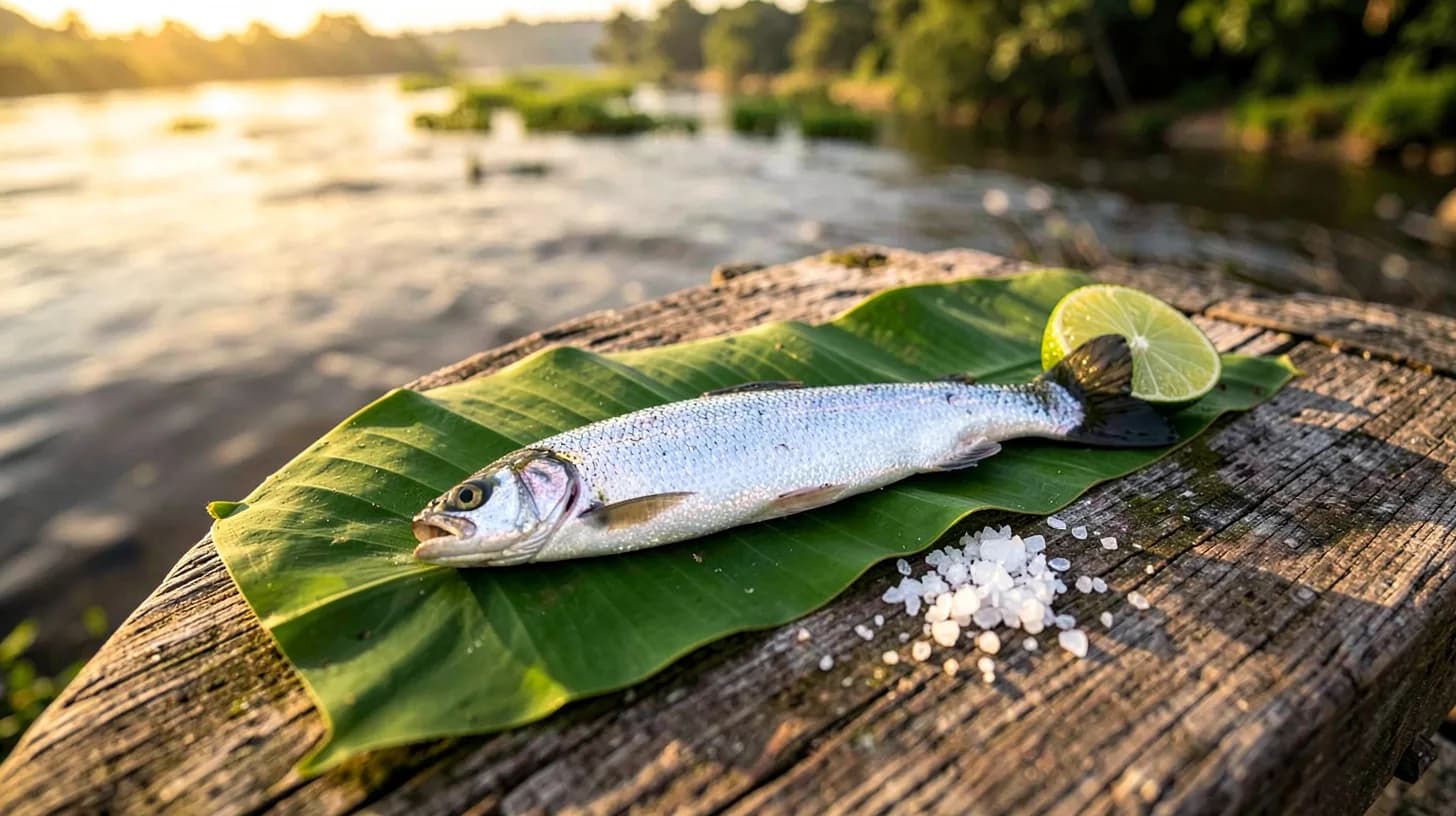
Bocachico, capaz, tilapia from Betania. What Huila's river actually feeds people, what that fish gives your body, and why the catch is getting harder to find.
5 min read