 Nutrition
Protein for Active Women: Needs, Sources and Timing Myths
How much protein do active women really need, where should it come from, and does the post-workout window matter? A calm, evidence-informed guide without the bro-science.
5 min read

Nutrition
Phoenix Initiative5 min read
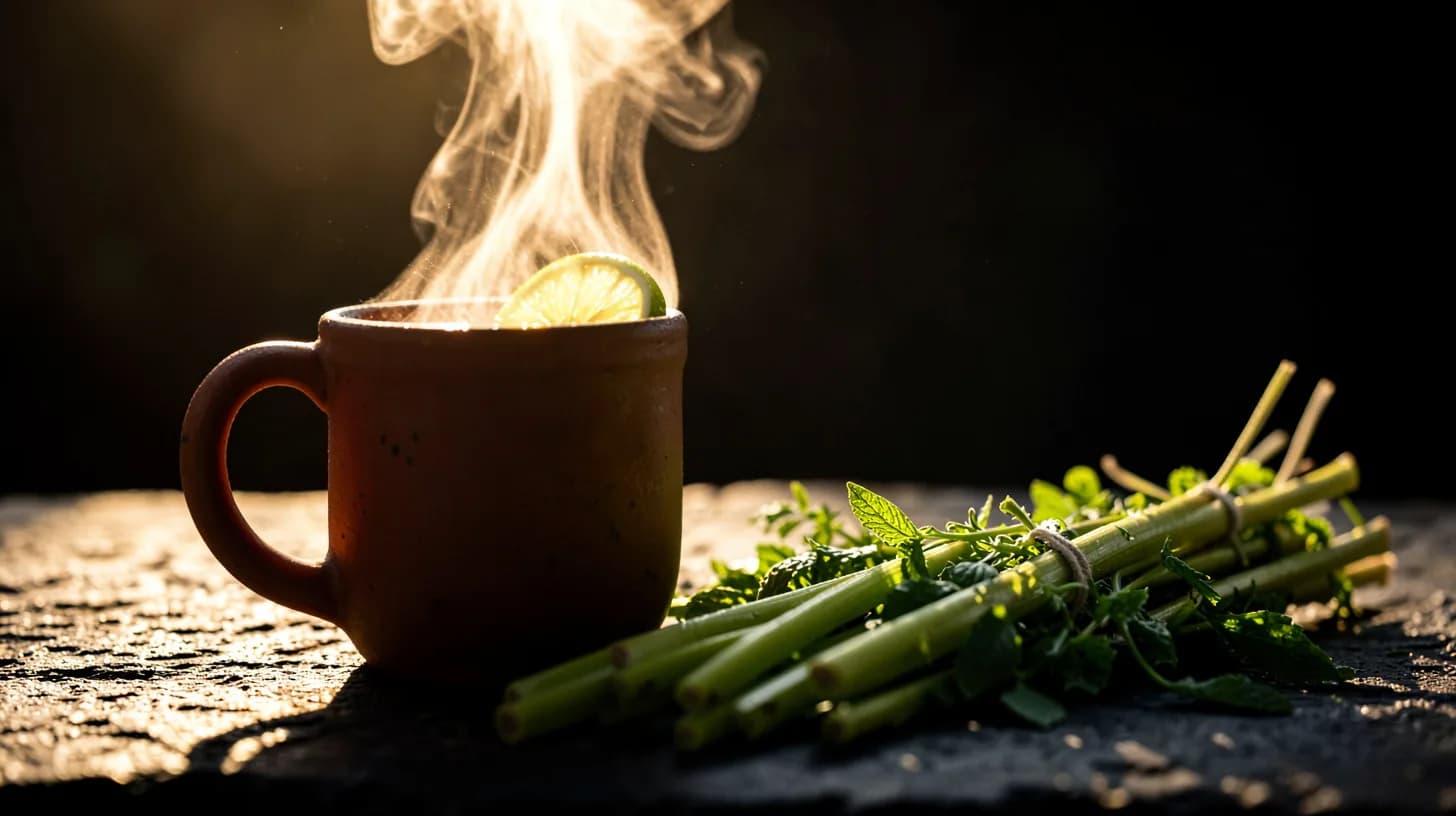
In Colombia, the answer to almost every human situation is a hot drink. You arrive somewhere, someone puts water on. You are cold, tired, sad, recovering, celebrating, visiting, or simply present — the pot goes on the stove and something gets steeped in it. This is not a wellness practice. It is a form of hospitality so ordinary that nobody comments on it.
Underneath the ritual is a genuinely interesting pharmacopoeia of everyday plants, most of them growing within a few metres of the kitchen door. Understanding what is in the cup is worth doing, both because the botany is good and because a certain amount of nonsense is sold on the back of it.
Start with the base. Panela is unrefined whole cane sugar: cane juice boiled down in open pans at a trapiche and poured into moulds to set as hard blocks. Unlike white sugar it retains the molasses, which is why it is brown, faintly mineral, and tastes of something rather than of nothing.
Colombia is, after India, the world's largest producer of panela, and among the largest consumers per head. Dissolve a piece in hot water and you have aguapanela: the country's default drink, taken hot in the cold highlands, cold with lime in the heat, poured over coffee, given to children, offered to guests and drunk by cyclists as an entirely traditional sports drink.
Two honest notes. Panela is sugar. It carries traces of minerals that refined sugar does not, but the quantities are small and it should not be sold to you as a health food — it is a cultural food, which is a better and more accurate claim. And aguapanela con limón is genuinely excellent when you are tired and hot, largely because it delivers fluid, a little sugar and acidity in a form people will actually drink.
The plants that go into Colombian infusions are mostly familiar botanically, even where the names are not.
Add to that the flavourings that turn up in everything: cloves, star anise, orange leaf, ginger. Most households have three or four of these growing in pots and use whichever is closest.
Here the article has to be careful, and so should you when reading anyone else on this subject.
Herbal infusions are food, not medicine. Many contain compounds with measurable biological activity, and some of that activity has been studied. But the evidence for most traditional infusions treating a specific condition is thin, and an article is not the place to be told that a plant will fix a symptom. Anyone offering you a herb as a treatment for an illness is making a claim they cannot support.
What can be said plainly is more modest and still worth having. Hot infusions are hydration, and they count towards fluid intake. They are warm, aromatic and pleasant, which matters for the simple reason that pleasant rituals get repeated. They are essentially free of energy unless you sweeten them. And they give a hot country a reason to sit down for ten minutes in the shade.
Two genuine cautions. Herbs are not automatically safe: some interact with medication, some are not advised during pregnancy or breastfeeding, and volumes matter. If you take regular medication, are pregnant, or have a chronic condition, ask a doctor or pharmacist before making any infusion a daily habit — this is exactly the kind of question they answer quickly and well.
The technique is simple and most people get it wrong.
Phoenix Oasis will open on 30 June 2028, on thirty hectares in Rivera, Huila. The plan includes a kitchen garden with the region's herbs planted near the kitchen rather than in a field, so that lemongrass, mint and lemon balm can be cut minutes before they are steeped — and so that the pot of hot water on the stove can go on being the answer to almost everything.
Until then: buy a lemongrass plant, put it somewhere sunny, and cut a stem when someone arrives. More about what is being built is on the retreats page.
NutritionHow much protein do active women really need, where should it come from, and does the post-workout window matter? A calm, evidence-informed guide without the bro-science.
5 min read
 Nutrition
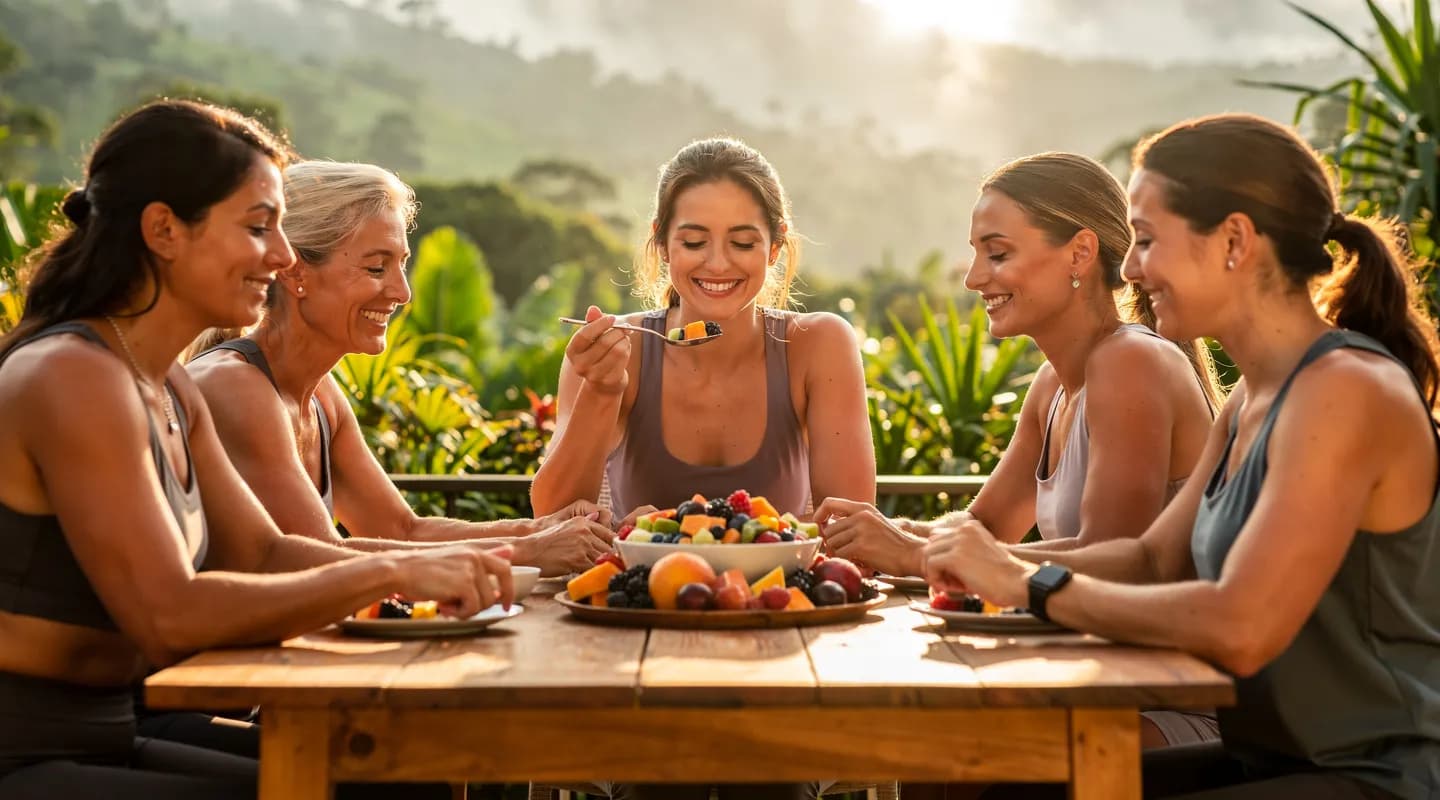
Most of us eat on autopilot — at desks, over screens, in cars. Here is what happens when you slow the meal down, and how to bring the retreat table home with you.
5 min read
 Nutrition
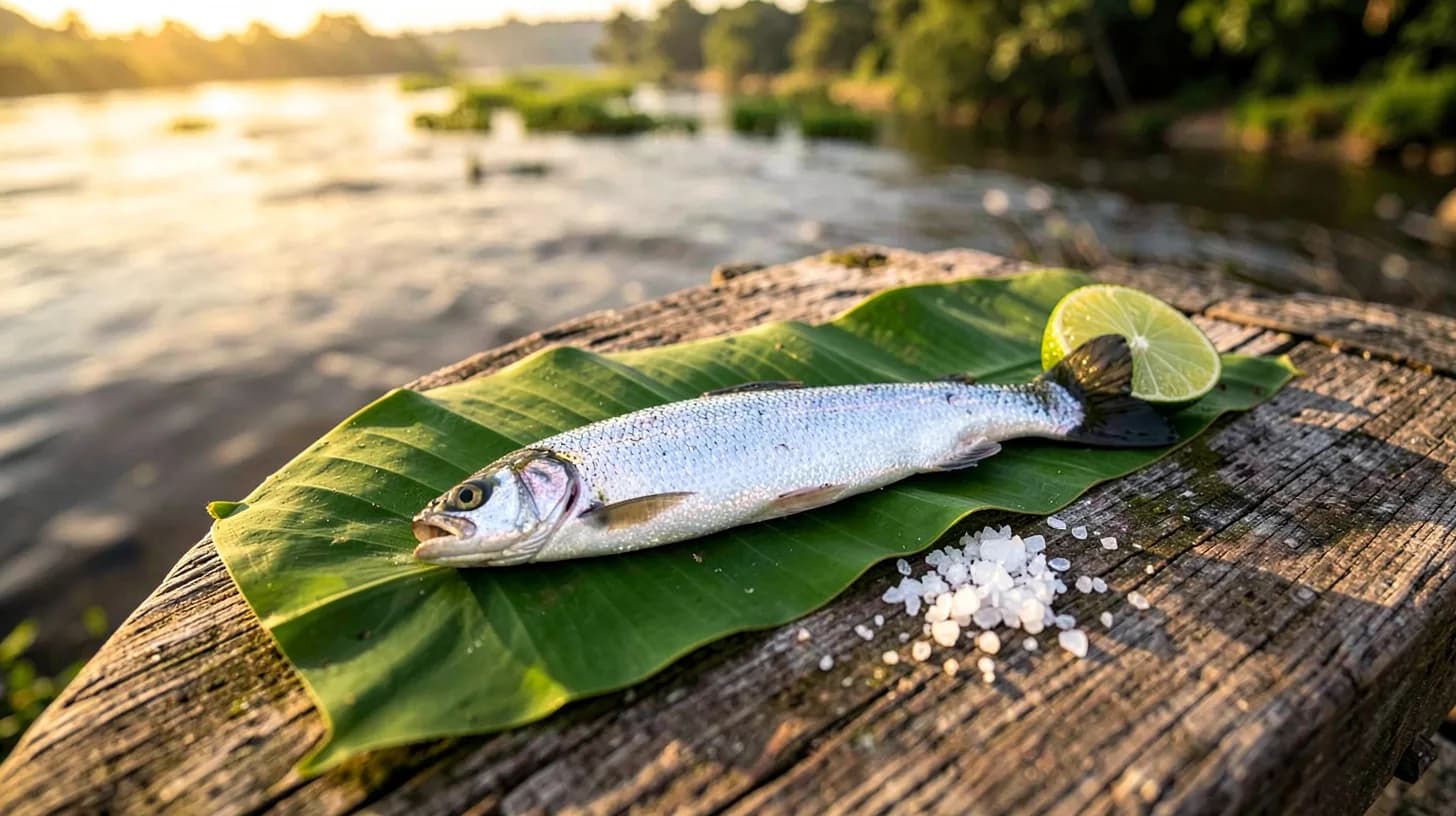
Bocachico, capaz, tilapia from Betania. What Huila's river actually feeds people, what that fish gives your body, and why the catch is getting harder to find.
5 min read