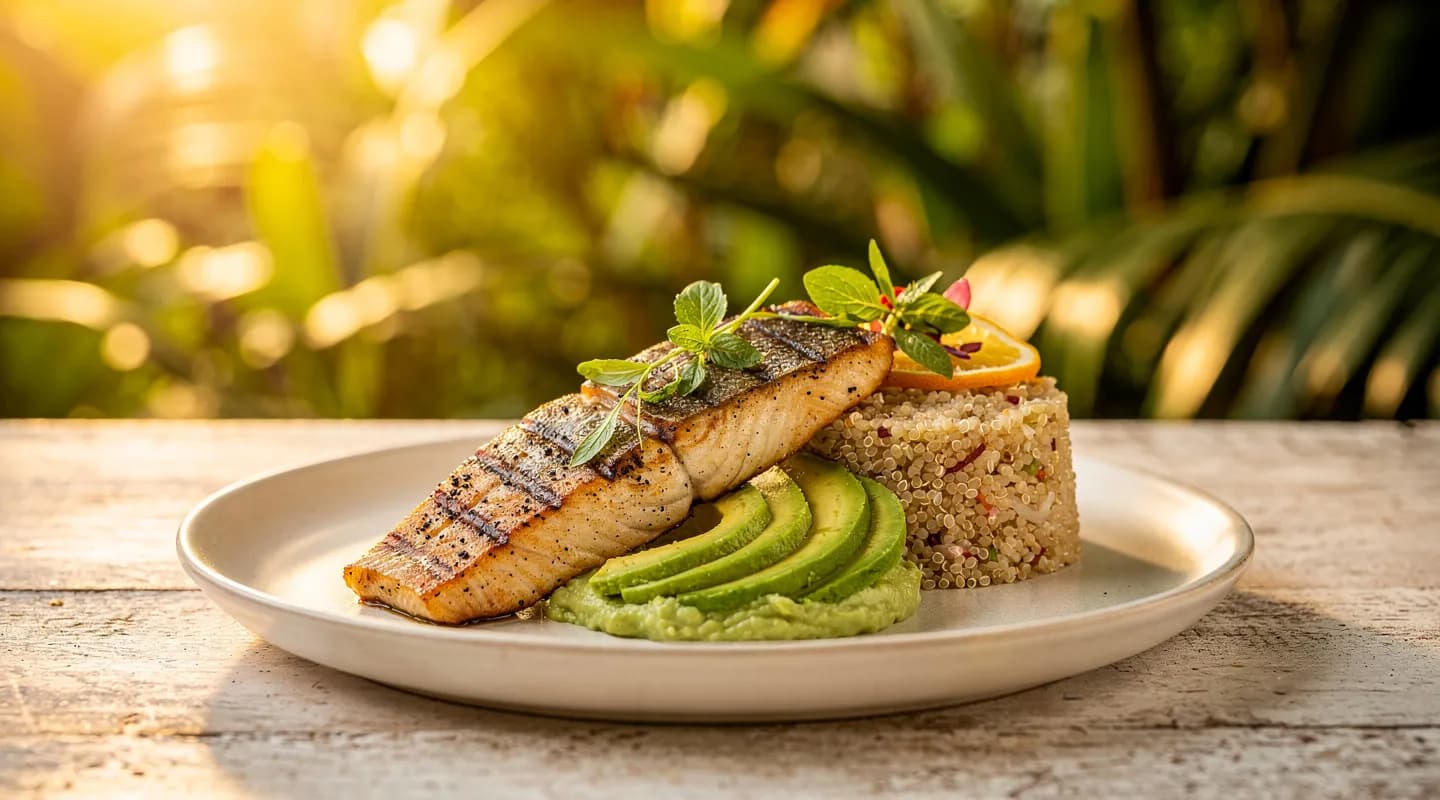
 Nutrition
Protein for Active Women: Needs, Sources and Timing Myths
How much protein do active women really need, where should it come from, and does the post-workout window matter? A calm, evidence-informed guide without the bro-science.
5 min read

Nutrition
Phoenix Initiative5 min read
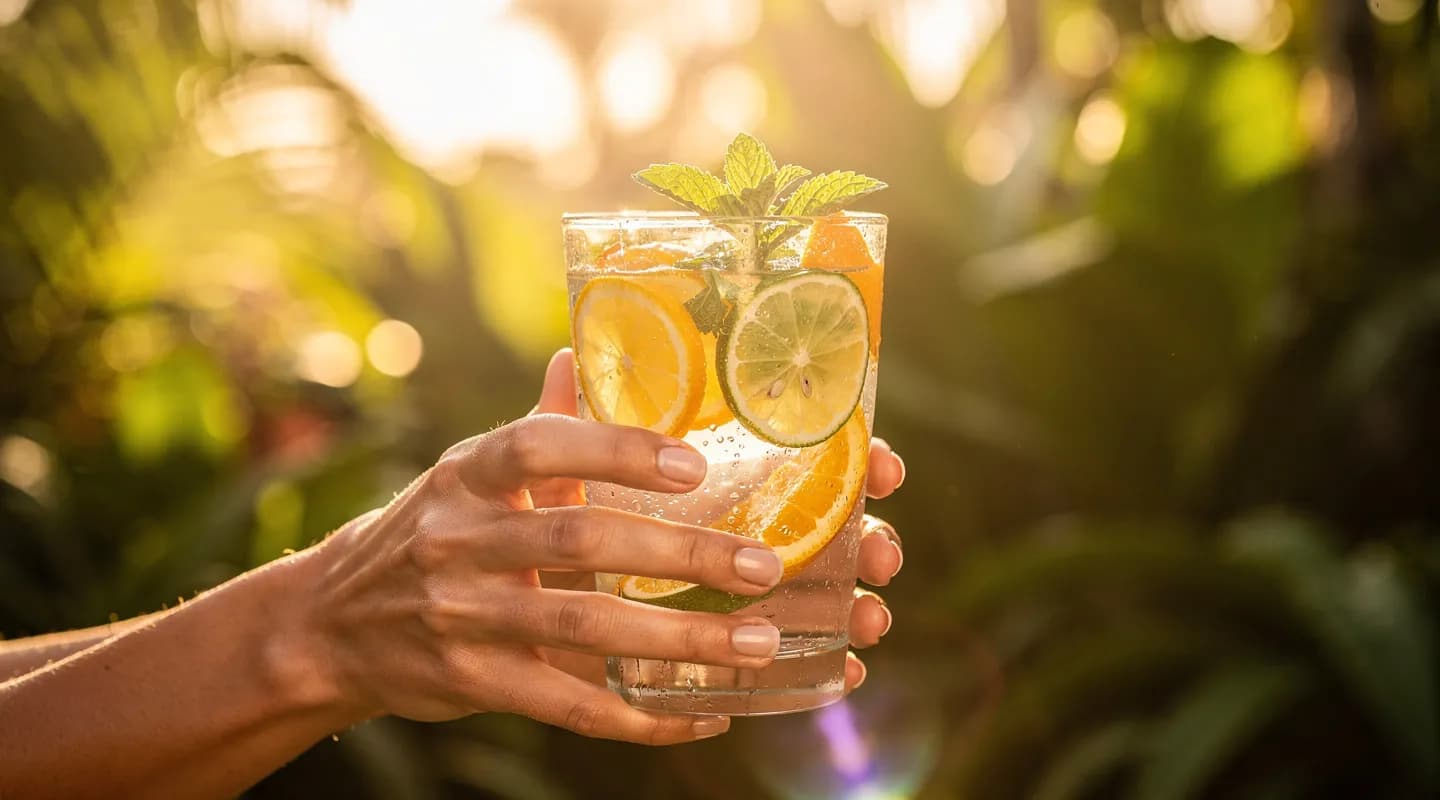
The first time you train in a tropical climate, your water bottle suddenly feels very small. Sweat arrives faster, thirst feels different, and the routines that worked in a temperate gym stop matching what your body is asking for. None of this is a problem — it is physiology doing its job. But if you are an active woman heading somewhere hot, humid or high, it pays to understand what actually changes, so you can adjust with confidence instead of guesswork.
Your body has one main air-conditioning system: sweat. In warm climates, especially during exercise, sweat rates climb significantly — and every drop comes out of your body's water budget. Lose too much without replacing it and the effects are familiar: heavier legs, a higher heart rate at the same effort, foggier focus, crankier mood.
Humidity adds a twist. In humid air, sweat evaporates poorly, so cooling is less efficient even as you keep losing fluid. That is why a humid 28 degrees can feel harder than a dry 33. The takeaway is simple: in the tropics, hydration is not an accessory to your training. It is part of the training.
Here is the part many travelers miss. Much of the Colombian Andes sits well above sea level, and altitude dehydrates you in ways you barely notice. The air is drier, you breathe faster, and you lose extra water with every exhale — no sweat required. Many people also feel thirst less clearly during their first days at elevation, right when they need fluids most.
Rivera, in Huila, sits in a warm valley at moderate elevation — a gentler scenario than the high peaks, but the principle travels with you anywhere in the Andes: when you go up, drink up, even when you do not feel like it. If your travels take you higher — Bogotá, for instance, sits above 2,600 meters — treat water as part of your acclimatization plan.
Forget rigid formulas; bodies, climates and sweat rates vary too much for one universal number. Instead, build habits that self-correct:
Here is the good news about hydrating near the equator: the landscape is on your side. Tropical markets are essentially hydration stations. Watermelon, pineapple, papaya, mango and cucumber are mostly water, with natural sugars and potassium as a bonus. Fresh fruit juices — a Colombian institution — count toward your fluids too.
And then there is coconut water, nature's own sports drink: light, mildly sweet, naturally rich in potassium. It will not perform miracles, but straight from a cold coconut after a workout, it does not need to. A hydration day in the tropics can genuinely be delicious: water as your base, fruit through the day, something salty after big sweats, juice or coconut water as the reward.
One caution deserves its place: coffee and alcohol. Colombian coffee is a treasure and moderate amounts are fine for hydration — the diuretic effect of a habitual cup is smaller than legend claims. Alcohol is a different story: it genuinely dehydrates, and combining a hot climate, an evening drink and a hard morning session is a recipe for a rough day. Time it wisely.
Hydration culture can drift into obsession — apps, targets, gallon jugs as personality. You do not need any of it. You need attention. Headaches in the afternoon, unusual fatigue, dark urine, a heart rate that will not settle: these are your body's messages, and they are usually easy to answer with a glass of water and a decent meal.
This is the 1% philosophy applied to the simplest habit you own: a little more water, a little earlier, a little more consistently. Nothing dramatic. Everything, over weeks, transformed.
At Phoenix Oasis, the retreat we are building in Rivera, Huila, water is quite literally the landscape — the estate's plans include six waterfalls and three freshwater springs, plus a thermal spring for recovery days. Training mornings there will come with humidity, sunshine and every reason to make hydration a ritual rather than an afterthought. If that sounds like your kind of classroom, take a look at the stays we are designing — and start practicing that morning glass of water now.
NutritionHow much protein do active women really need, where should it come from, and does the post-workout window matter? A calm, evidence-informed guide without the bro-science.
5 min read
 Nutrition
Most of us eat on autopilot — at desks, over screens, in cars. Here is what happens when you slow the meal down, and how to bring the retreat table home with you.
5 min read
 Nutrition
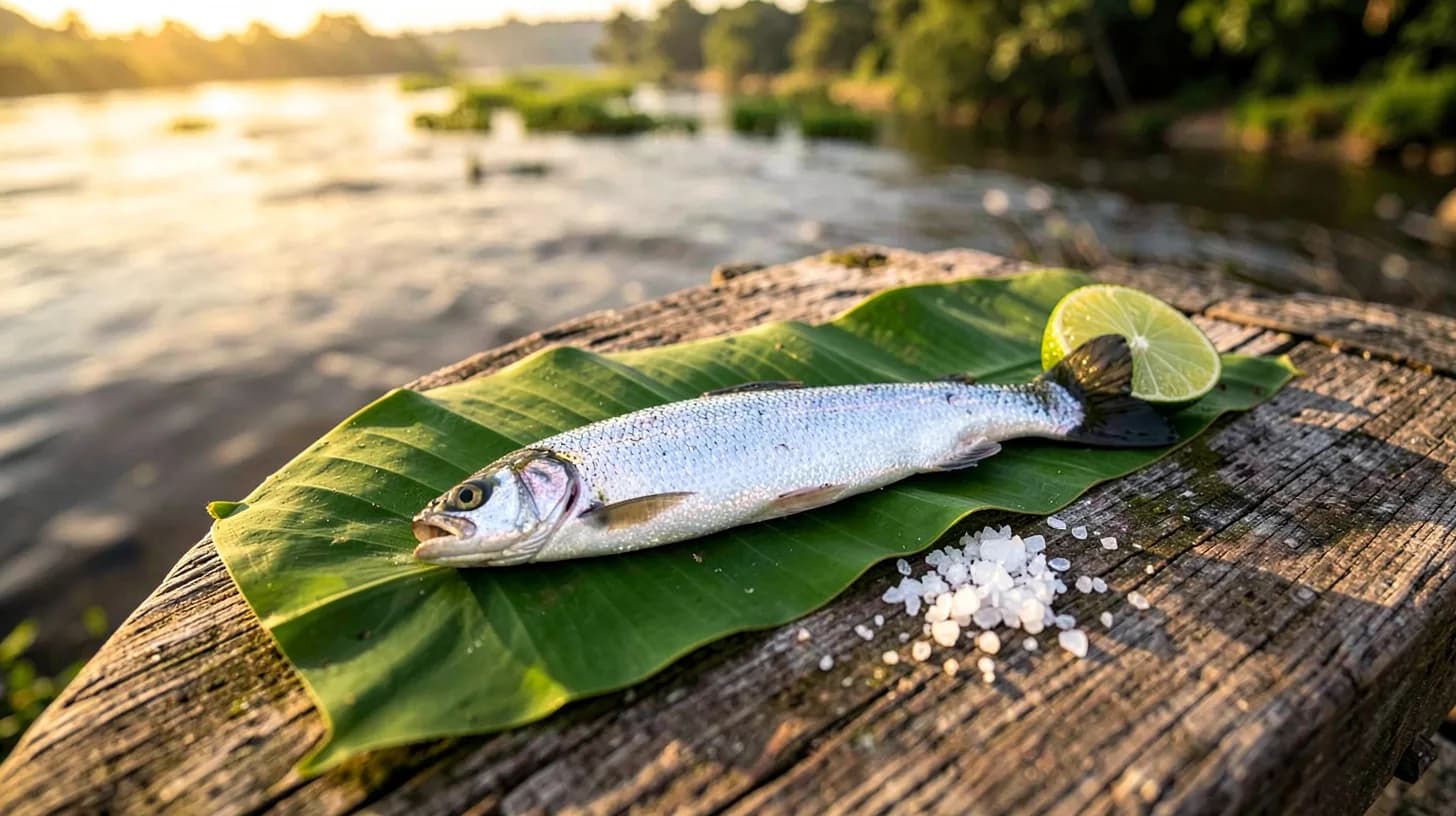
Bocachico, capaz, tilapia from Betania. What Huila's river actually feeds people, what that fish gives your body, and why the catch is getting harder to find.
5 min read