 Nutrition
Protein for Active Women: Needs, Sources and Timing Myths
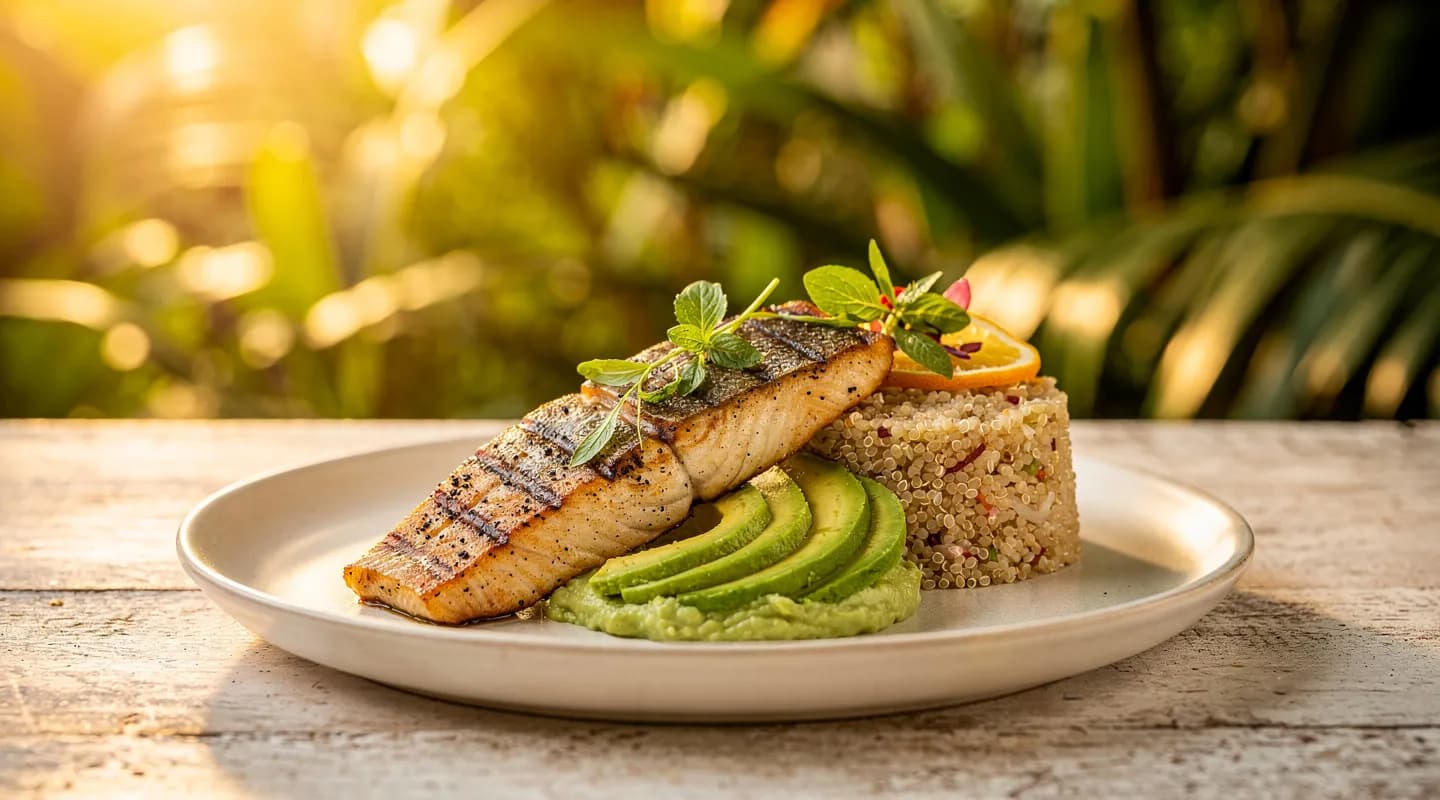
How much protein do active women really need, where should it come from, and does the post-workout window matter? A calm, evidence-informed guide without the bro-science.
5 min read

Nutrition
Phoenix Initiative5 min read
Iron is the mineral that carries oxygen. It sits at the centre of haemoglobin in your red blood cells and myoglobin in your muscle, and it turns up again in the enzymes that run your energy metabolism. When it runs low, the first symptoms are almost comically vague: tired, cold, breathless on stairs, unable to finish sessions you finished last month, irritable in a way you cannot explain.
This matters disproportionately for women, for a simple structural reason. Menstrual blood loss is the single largest routine iron drain in human physiology, and heavy menstrual bleeding is the leading cause of iron deficiency in women worldwide. Add regular hard training, and the picture gets more complicated still.
What follows is information, not a protocol. Iron is one of the few nutrients where guessing can genuinely cause harm in both directions, and the useful path always runs through a blood test and a qualified professional.
Public reference intakes give a sense of scale. In the United States, the recommended dietary allowance for women aged 19 to 50 is about 18 milligrams a day, compared with 8 for men of the same age; after menopause the figure for women falls back to roughly 8. European reference values are broadly similar in shape. Vegetarians and vegans are often advised to aim substantially higher — commonly cited as around 1.8 times the standard figure — and the reason is absorption, not arithmetic.
Not all dietary iron is the same molecule, and the difference is large.
This is the plant-source trap. A food label can honestly announce an impressive iron content while the amount your body actually takes up is a small fraction of it.
Spinach is the classic case. It does contain iron, but that iron is bound with oxalates that substantially limit absorption, which is why its reputation as an iron powerhouse is misleading. The often-repeated story about a misplaced decimal point in an old analysis is itself disputed; the absorption problem is not.
For non-heme iron, the company it keeps changes everything.
Helpers:
Blockers:
Two effects specific to athletes are worth knowing. First, endurance training expands blood plasma volume, which can lower measured haemoglobin concentration without any true iron problem — sometimes called dilutional or sports anaemia. Second, and more consequential, hard exercise raises hepcidin, the hormone that suppresses iron absorption, with the effect peaking in the hours immediately after a hard session.
The practical implication is modest but real: an iron-rich meal is likely better absorbed well before a hard session, or the following morning, than immediately after it.
Symptoms are not a diagnosis, and iron deficiency can exist long before anaemia appears — ferritin, the storage marker, falls first. It is entirely possible to feel flattened while a standard haemoglobin reading still looks normal.
This is where the article stops and a professional starts. Do not self-prescribe iron supplements. Excess iron is not harmless, some people have conditions that cause them to accumulate it, and supplementing without knowing your ferritin means treating a number you have never seen. If your training has become inexplicably hard, if your periods are heavy, or if you follow a diet without animal products, ask for a blood test and take the results to someone qualified to read them.
Huila is coffee country, and the kitchen being planned for Phoenix Oasis in Rivera will take that seriously in both directions: extraordinary coffee, served deliberately away from the meals where it would work against the plate.
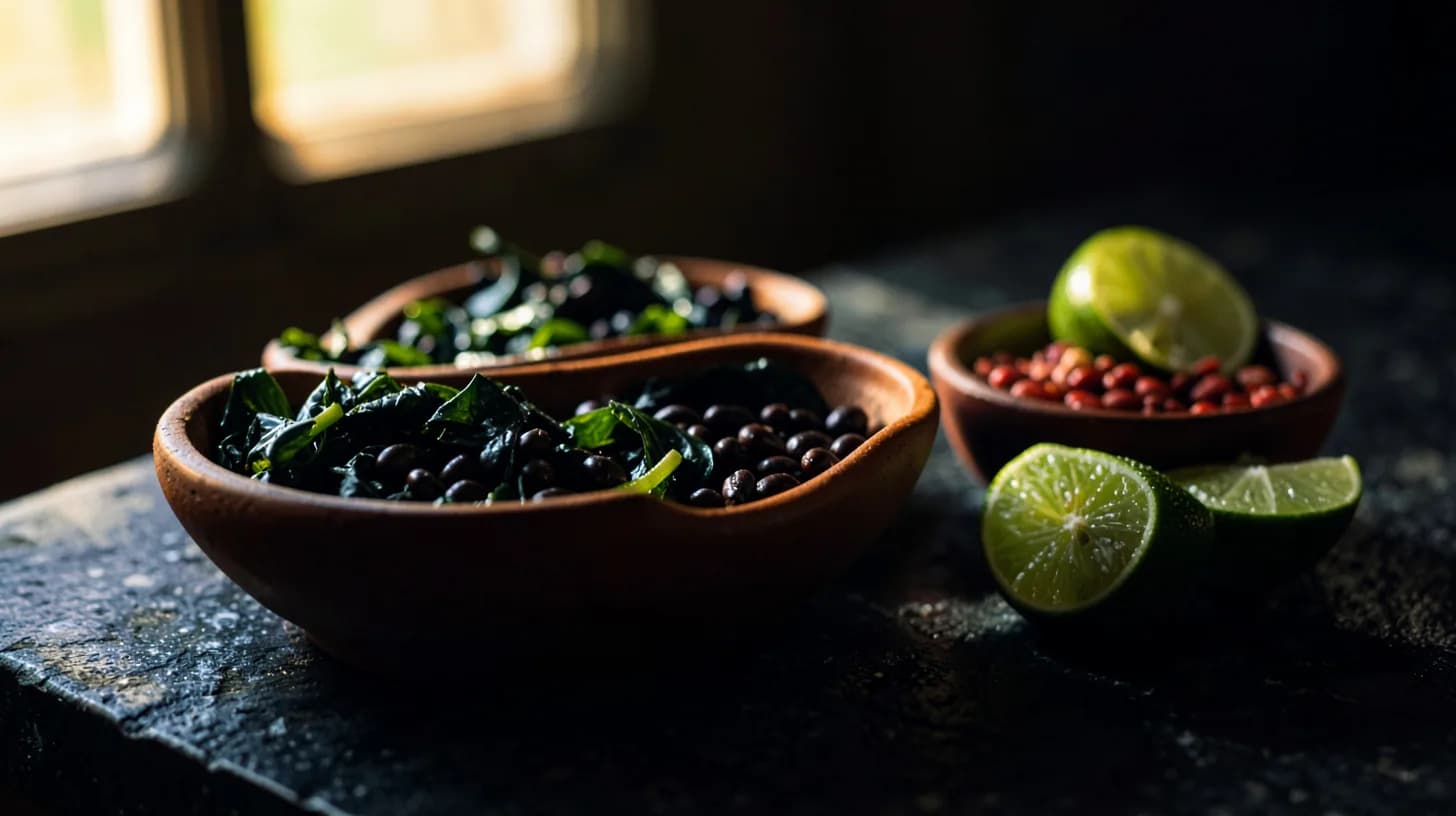
The cooking planned for the 30 hectares leans on what already grows here — lentils and beans, dark greens, panela, citrus and guava for the vitamin C that unlocks them. When the first stays begin in July 2028, the intention is that the food should support the training rather than merely accompany it.
That principle costs nothing to adopt now. Squeeze lime over your lentils tonight, and move the coffee to an hour later. You can read about how the Oasis is being designed in the meantime.
NutritionHow much protein do active women really need, where should it come from, and does the post-workout window matter? A calm, evidence-informed guide without the bro-science.
5 min read
 Nutrition
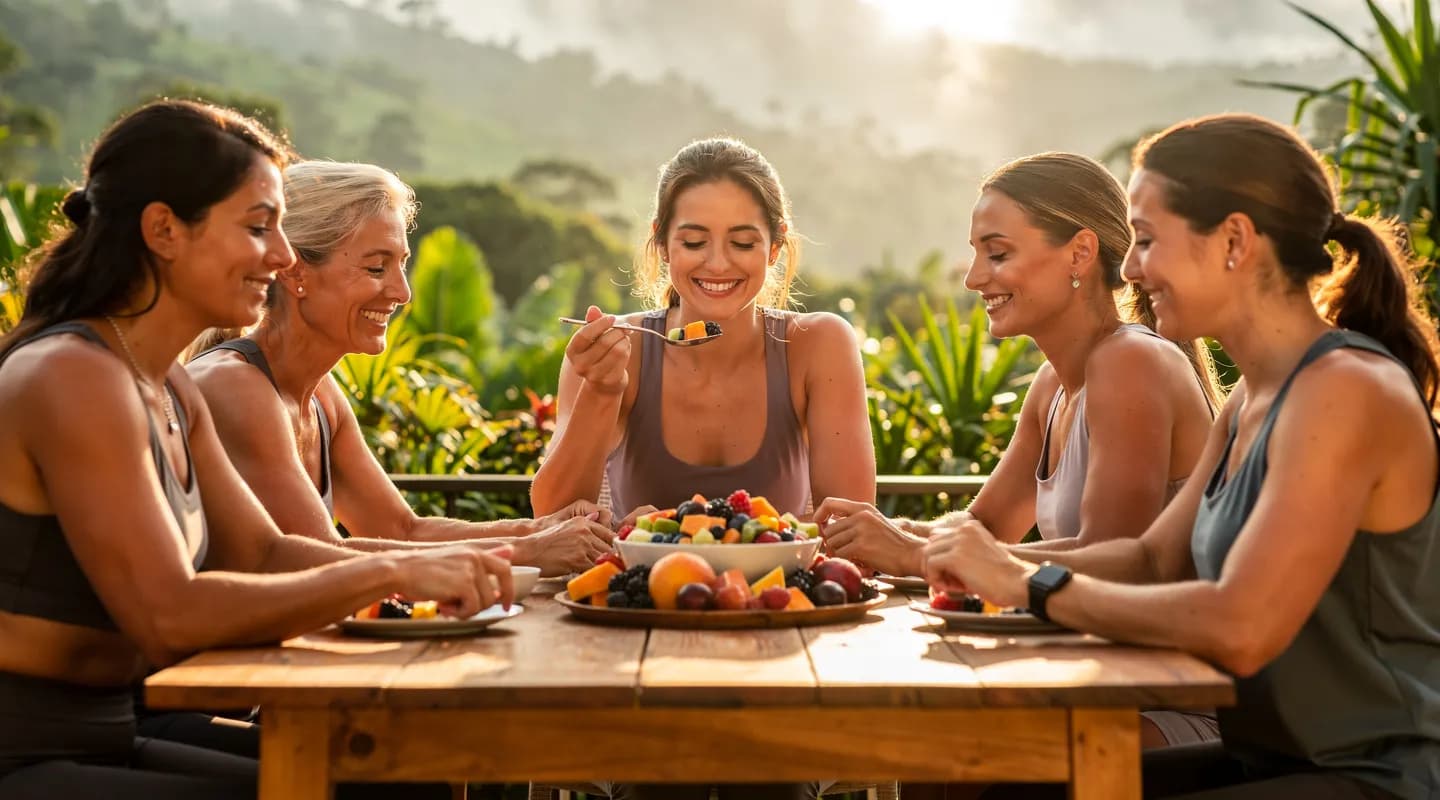
Most of us eat on autopilot — at desks, over screens, in cars. Here is what happens when you slow the meal down, and how to bring the retreat table home with you.
5 min read
 Nutrition
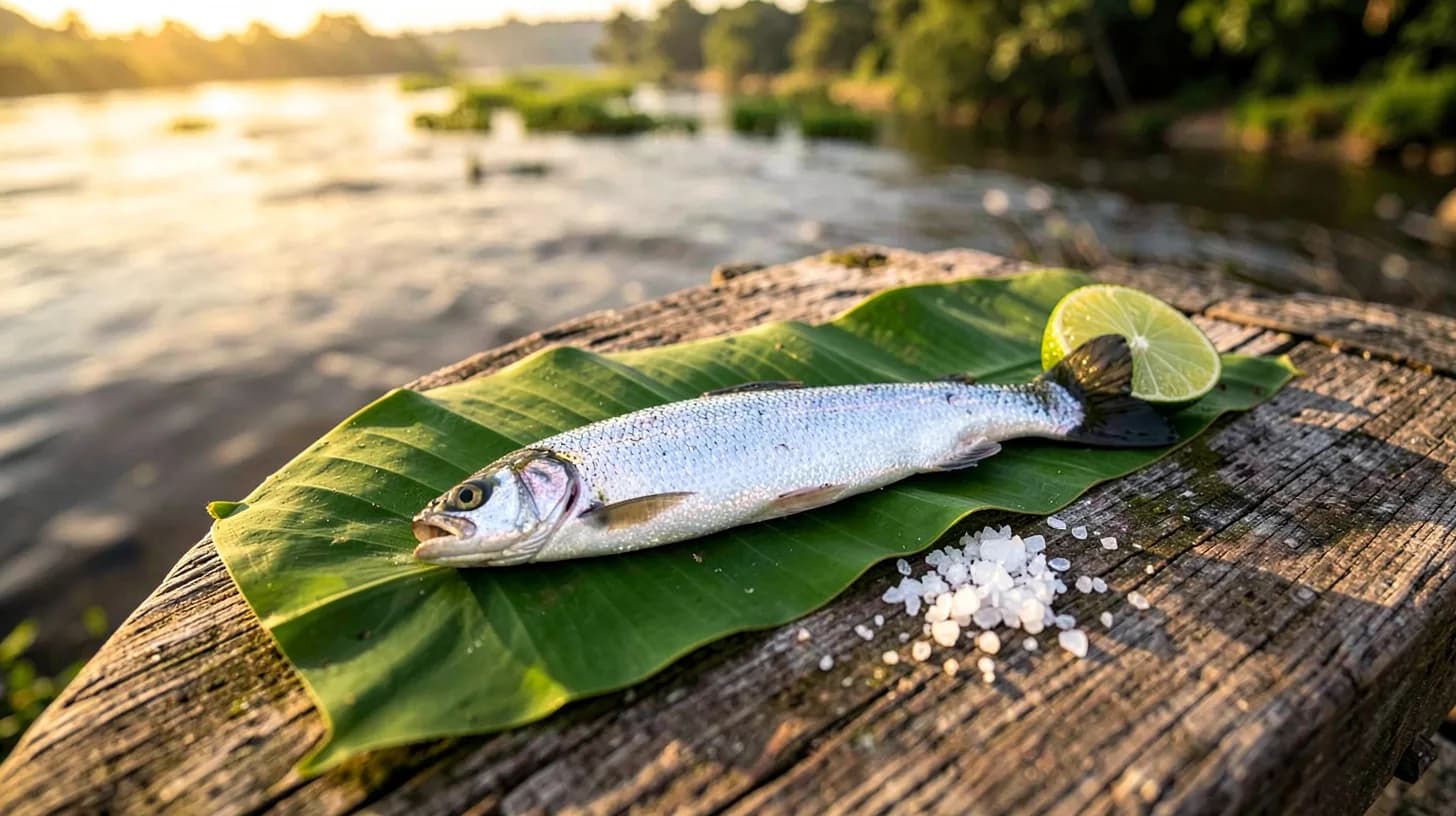
Bocachico, capaz, tilapia from Betania. What Huila's river actually feeds people, what that fish gives your body, and why the catch is getting harder to find.
5 min read