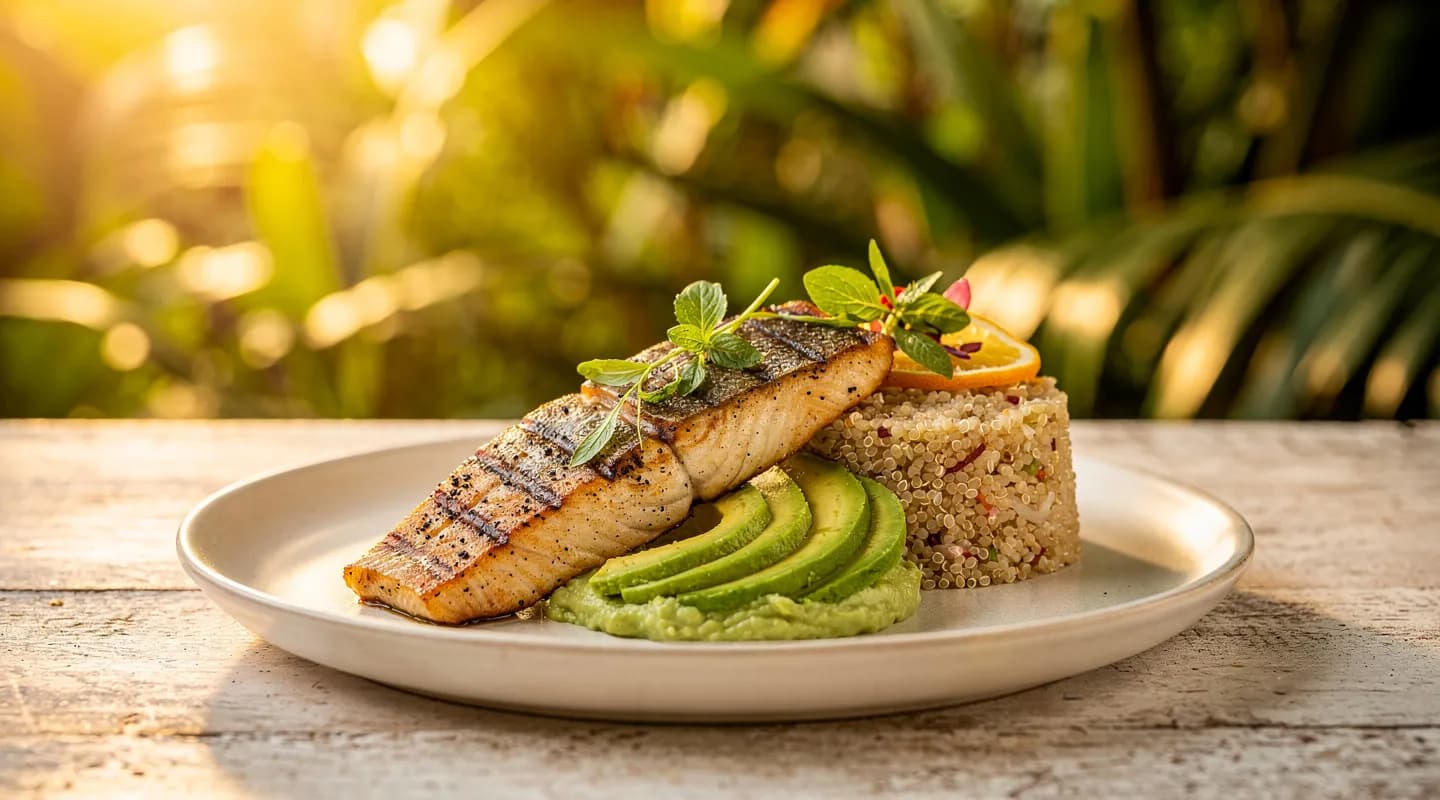
 Nutrition
Protein for Active Women: Needs, Sources and Timing Myths
How much protein do active women really need, where should it come from, and does the post-workout window matter? A calm, evidence-informed guide without the bro-science.
5 min read

Nutrition
Phoenix Initiative5 min read
There is a pot on the back of the stove in a great many Colombian kitchens, and there has been since early morning. Inside it: beans. Not a side dish, not a virtuous substitution for something better — the centre of the meal, cooked slowly with plantain and a spoonful of hogao, and served with rice, avocado and whatever the day allows.
This is worth noticing, because in a lot of European and North American kitchens legumes have been quietly demoted to the status of health food: something you eat instead of what you wanted. Colombia never made that mistake. Beans here are simply what dinner is made of, and the result is a plate that happens to be one of the better-designed things in nutrition without ever announcing itself as such.
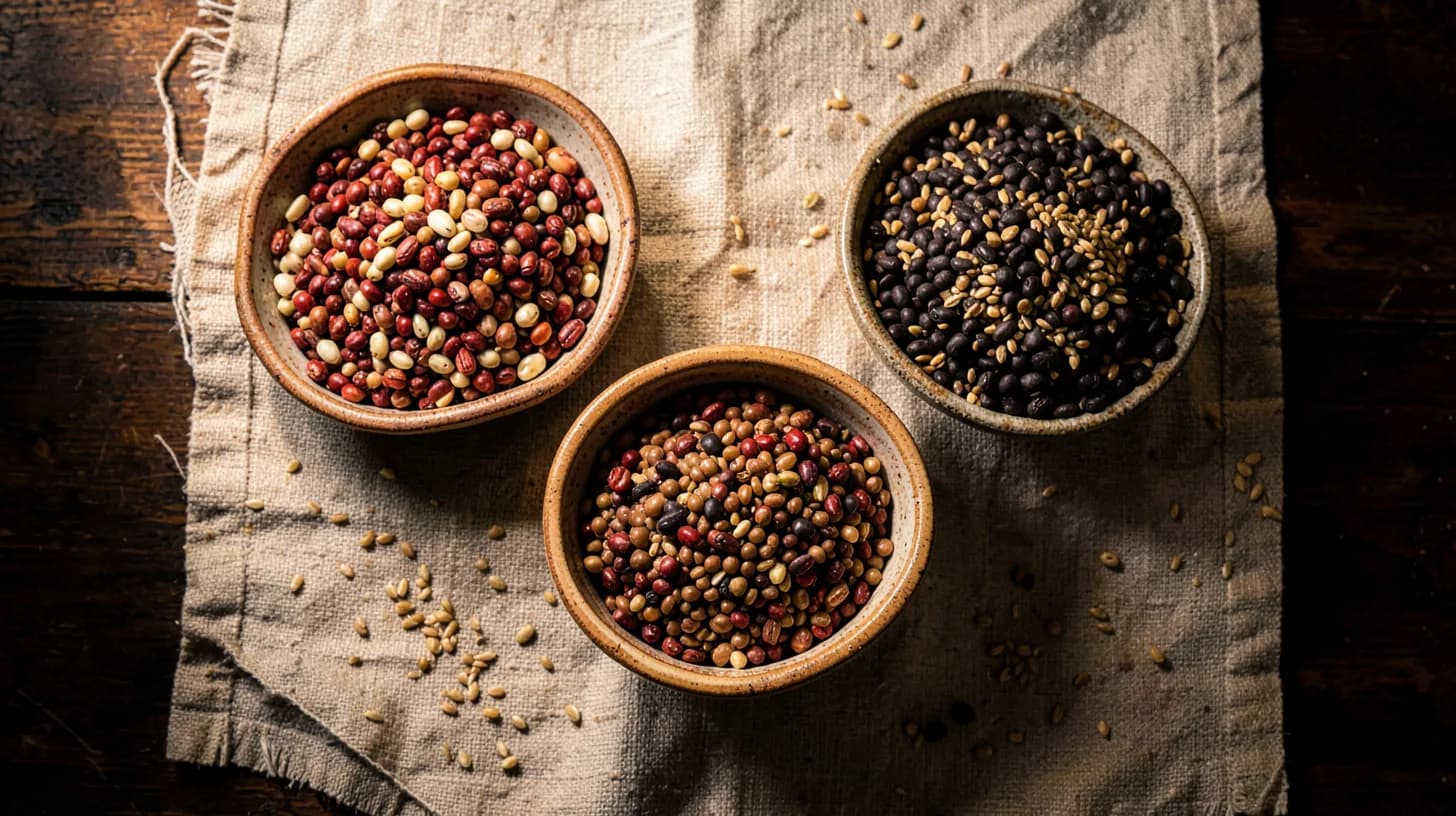
The Colombian bean landscape is more varied than the English word "beans" suggests. Frijol cargamanto, speckled cream and burgundy, is the emblem of the Antioquia table and the star of the bandeja paisa. Bola roja is rounder and deeper red. There are black beans, white frijol blanco, brown lentils, chickpeas, and fríjol cabecita negra in the drier valleys.
Then there are the fresh legumes people forget are legumes at all: habichuelas (green beans), arveja (green peas), and the young beans sold still in the pod at markets, which cook in a quarter of the time and taste completely different — grassy, sweet, almost like a vegetable rather than a pulse.
Dried legumes are unusual in that they are substantial sources of both protein and complex carbohydrate at the same time. Roughly speaking, dry pulses carry around 20 to 25 grams of protein per 100 grams before cooking, alongside a large amount of starch and a remarkable quantity of fibre — both soluble and insoluble.
That combination is why a plate of beans holds you. The fibre slows gastric emptying and the starch is digested gradually, so blood glucose rises more gently after a bean-based meal than after the same energy delivered as refined starch. Legumes also carry folate, potassium, magnesium, and non-heme iron.
Two honest caveats. First, the iron in plants is absorbed less efficiently than the iron in meat — pairing beans with a source of vitamin C, which the Colombian plate does automatically through lime, tomato and fresh juice, improves the situation. Second, if you eat very few legumes now, a sudden large increase will produce exactly the digestive result you are imagining. Build up over a few weeks and the gut adapts. If you have a diagnosed digestive condition, that is a conversation for a health professional rather than an article.
You may have absorbed, somewhere, the idea that beans and rice must be eaten together to make a "complete protein". The chemistry behind that idea is real: pulses are relatively low in the sulphur amino acid methionine and rich in lysine, while cereals are the reverse, so the two complement each other beautifully.
What has changed is the timing rule. Nutrition science no longer holds that the two must appear in the same mouthful, or even the same meal — the body maintains a pool of amino acids, and eating a varied range of plant proteins across the day is sufficient. Which is a relief, and also entirely academic in Colombia, where rice and beans arrive on the same plate anyway.
The difference between a good pot of beans and a dull one is technique, not ingredients.
Legumes are also the reason many traditional farming systems work at all. Their roots host Rhizobium bacteria which fix atmospheric nitrogen into a form plants can use, feeding the crop and leaving nitrogen behind for whatever is planted next. A bean row is a small fertiliser factory that runs on air.
The United Nations marked this in 2016 with an International Year of Pulses, and now observes World Pulses Day each 10 February — a rare case of an agricultural policy instrument agreeing with something your grandmother already knew.
Phoenix Oasis will open on 30 June 2028, on thirty hectares in Rivera, Huila. Legumes will be a fixture of the kitchen rather than a concession to any particular diet: a pot of beans that costs little, feeds many, satisfies for hours and comes from farms an hour's drive away.
If you want the single most useful change to make before then, it is unglamorous. Put one pot of legumes into your week — beans, lentils, chickpeas, it hardly matters which — and cook it well enough that nobody thinks of it as the healthy option. You can read more about how the retreats are being designed on the retreats page.
NutritionHow much protein do active women really need, where should it come from, and does the post-workout window matter? A calm, evidence-informed guide without the bro-science.
5 min read
 Nutrition
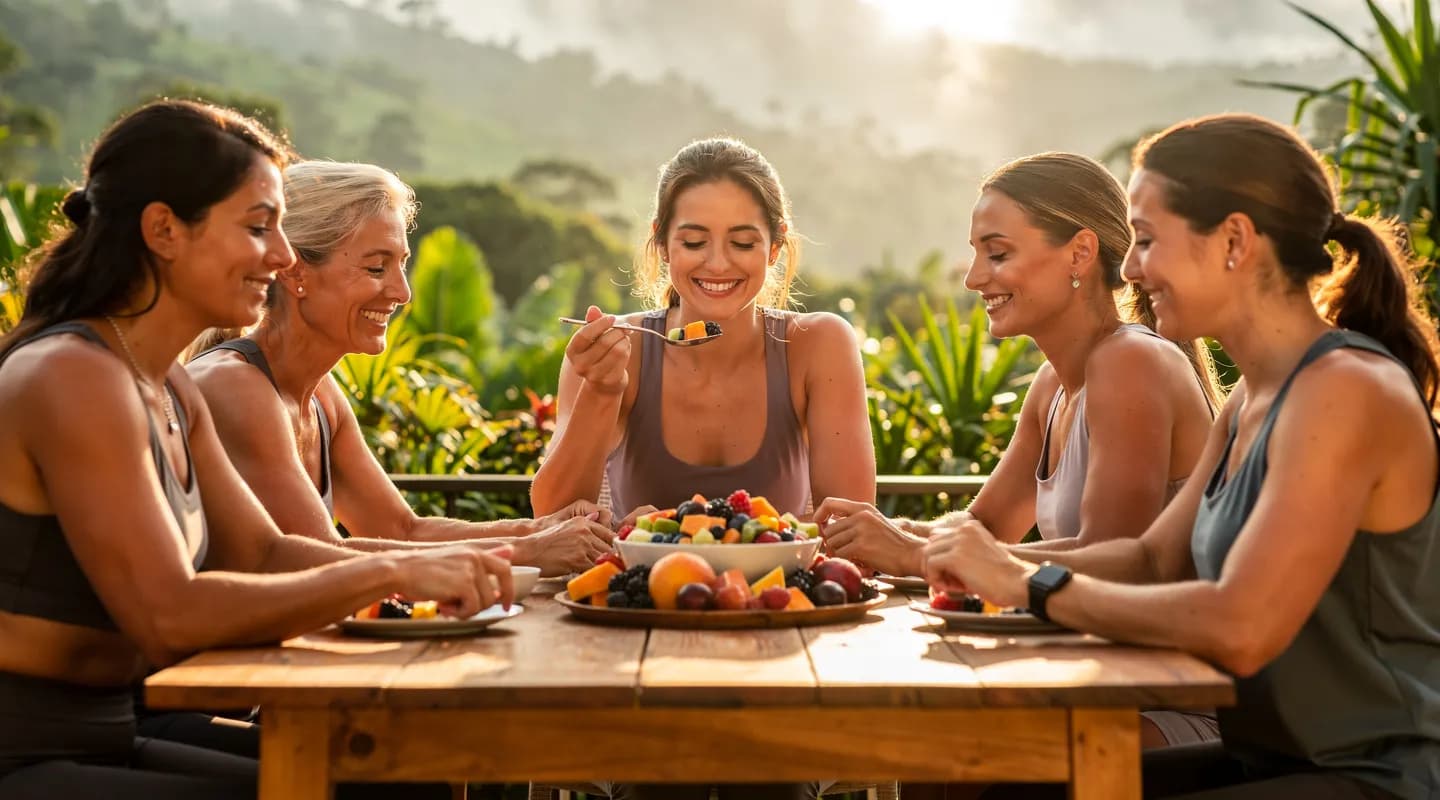
Most of us eat on autopilot — at desks, over screens, in cars. Here is what happens when you slow the meal down, and how to bring the retreat table home with you.
5 min read
 Nutrition
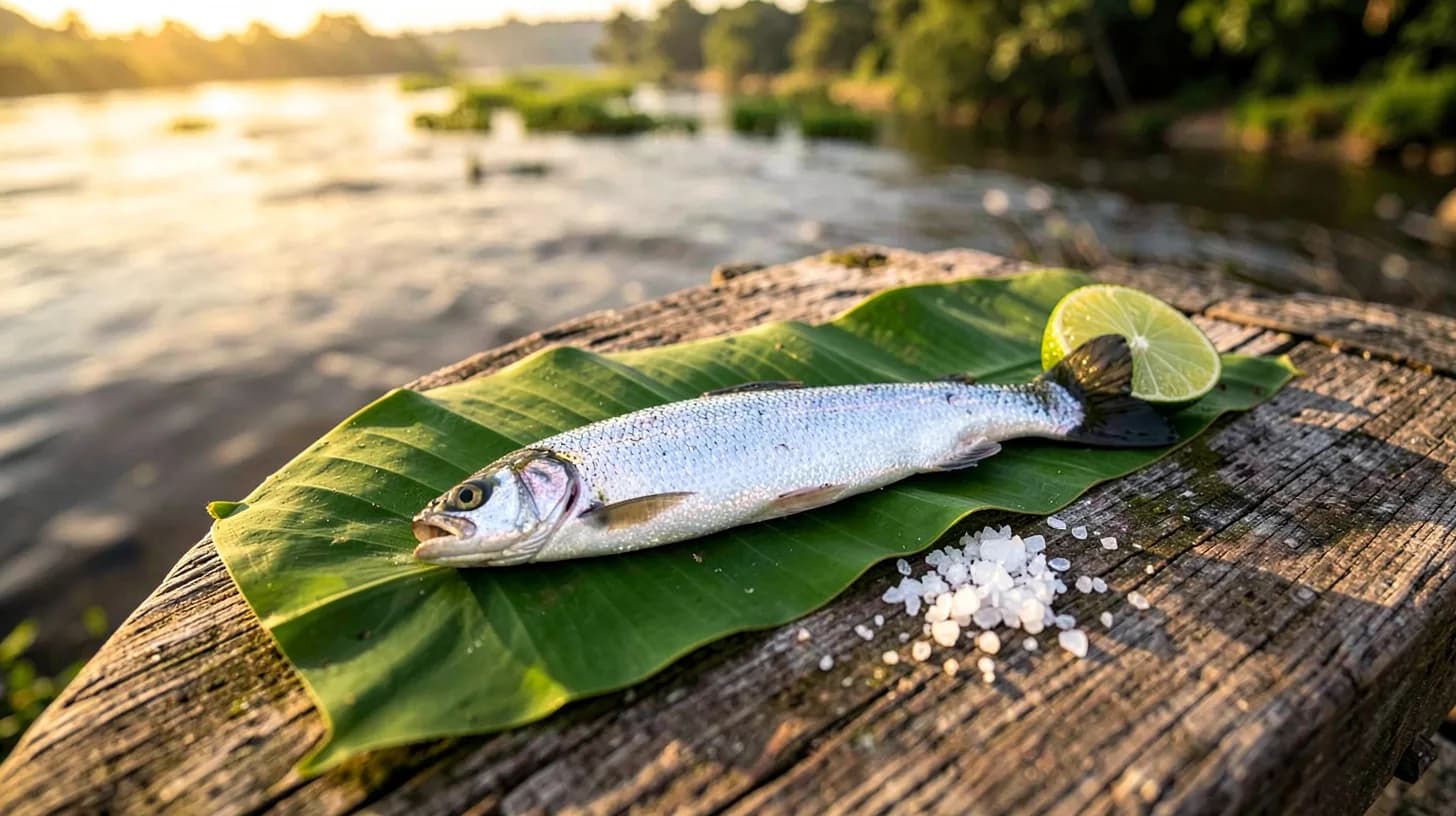
Bocachico, capaz, tilapia from Betania. What Huila's river actually feeds people, what that fish gives your body, and why the catch is getting harder to find.
5 min read