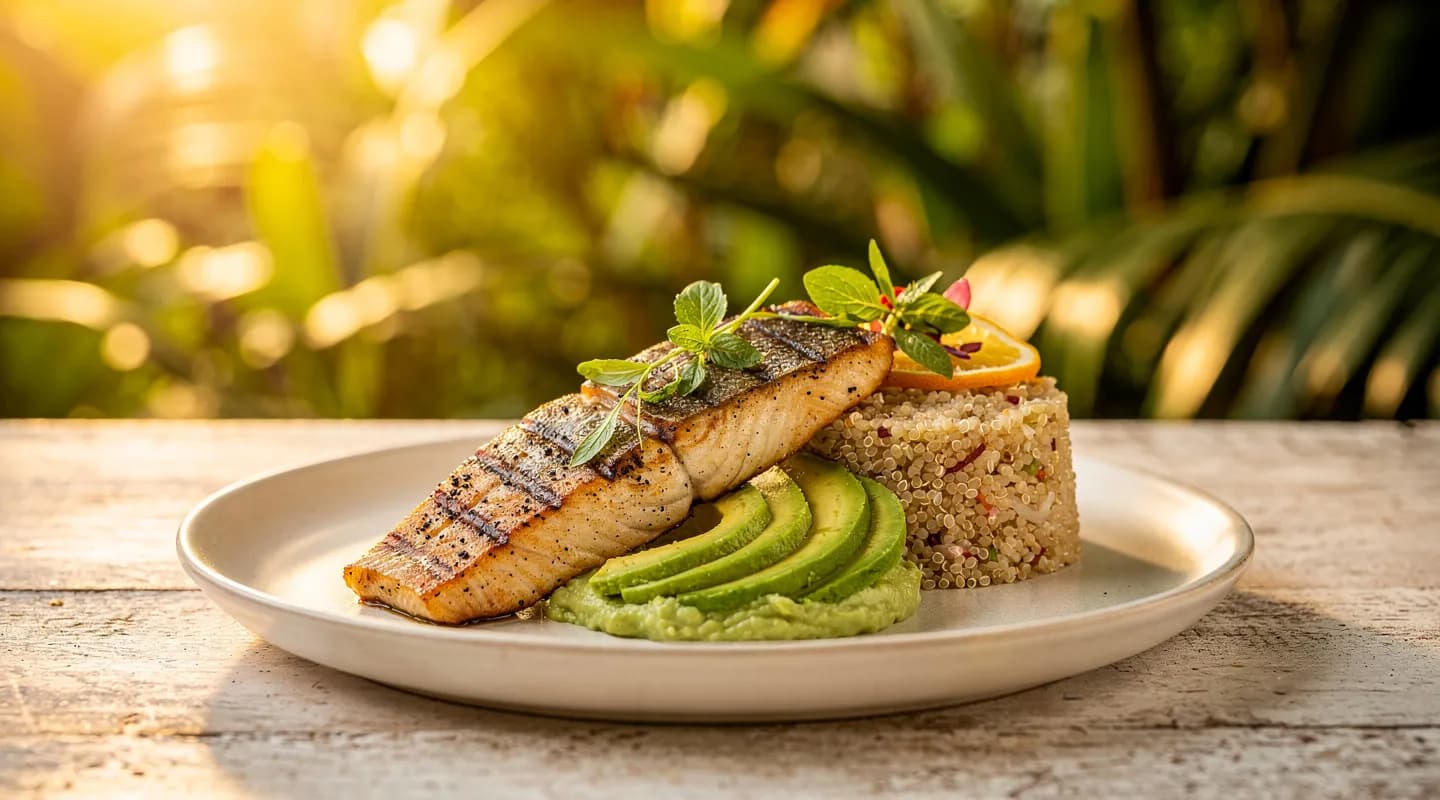
 Nutrition
Protein for Active Women: Needs, Sources and Timing Myths
How much protein do active women really need, where should it come from, and does the post-workout window matter? A calm, evidence-informed guide without the bro-science.
5 min read

Nutrition
Phoenix Initiative5 min read
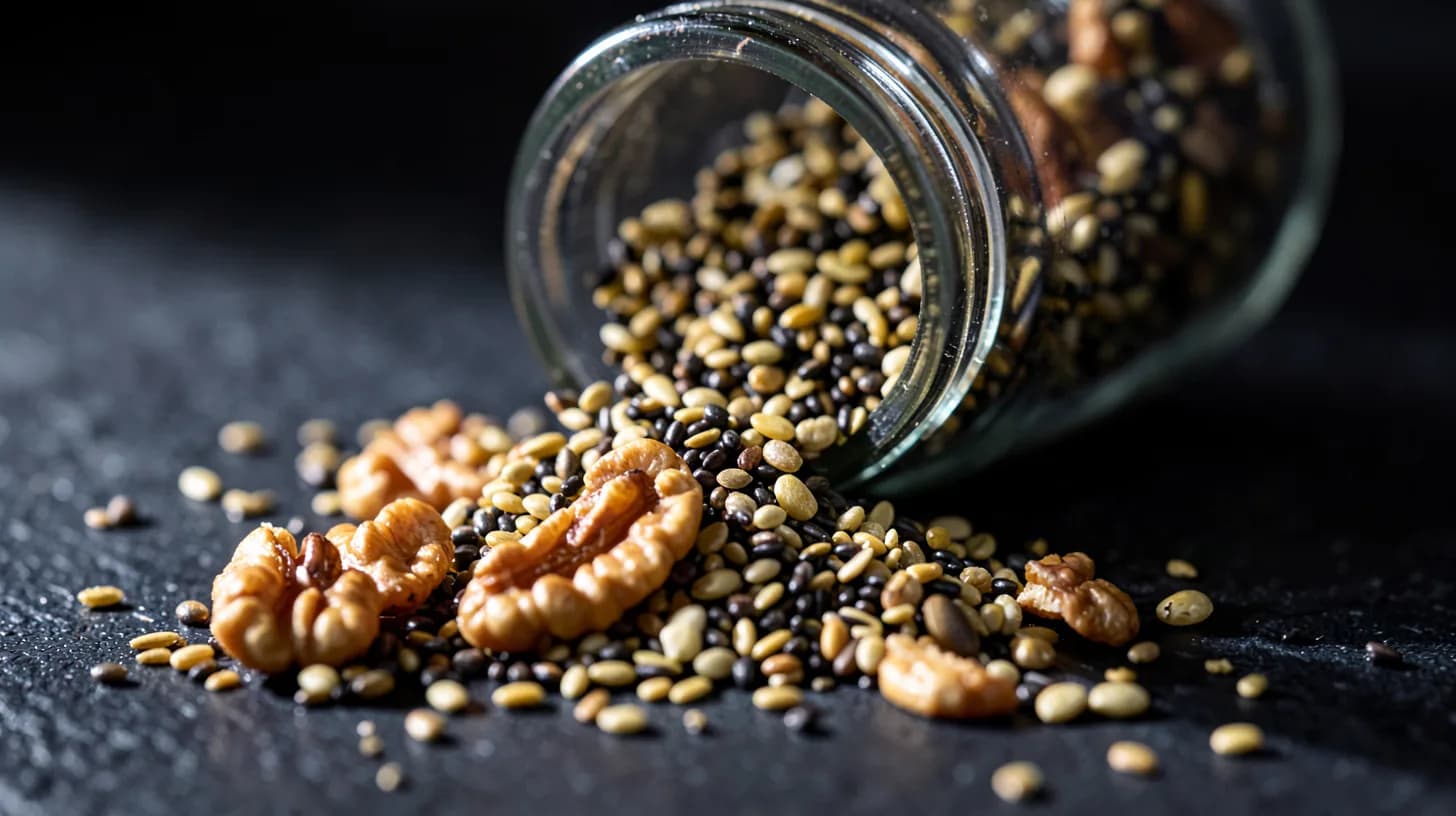
Walk down any supermarket aisle and you will find omega-3 printed on things that have no business claiming it. The word has become a marketing asset detached from the chemistry underneath, which is a pity, because the actual story is short, clear and genuinely useful — particularly if you eat little or no fish.
The essential point is that "omega-3" is not one substance. It is a family, and the members are not interchangeable. Understanding the difference between them explains almost everything confusing about this subject, including why a spoonful of flaxseed is not the same thing as a portion of sardines.
Omega-3 fatty acids are named for the position of their first double bond. Three matter nutritionally.
EPA and DHA are found in oily fish, and in the microalgae that fish eat — the algae are the original producers, and the fish are simply where they accumulate. This matters, because it means the long-chain forms are available directly from a plant source: algal oil.
The human body can convert ALA into EPA, and EPA into DHA, using a chain of enzymes. So in principle plant omega-3 covers everything. In practice the conversion is inefficient.
The figures reported in the research vary with method and population, but the pattern is consistent: only a small percentage of ALA is converted to EPA, and the onward conversion to DHA is smaller again, often reported at a few per cent or less. Two details are worth knowing.
First, women of reproductive age appear to convert more efficiently than men, an effect attributed to oestrogen — biologically sensible, given the DHA demands of pregnancy and breastfeeding.
Second, the conversion enzymes are shared with the omega-6 pathway. Linoleic acid, abundant in many refined seed oils, competes with ALA for the same desaturase enzymes. So a diet very high in omega-6 and low in omega-3 works against the conversion twice over. Shifting the ratio — more olive oil and whole nuts, fewer highly refined oils — is a more useful lever than most people realise.
Reference intakes for ALA are set as a small percentage of daily energy — roughly one to two grams a day for adults, depending on the authority. That is about a tablespoon of ground flaxseed, which puts the requirement in a reassuring perspective.
Omega-3 fats are highly unsaturated, which is precisely why they are biologically interesting and also why they oxidise quickly. Rancid oil is not merely unpleasant; oxidation destroys the fatty acids you bought the food for.
Practical rules: buy whole seeds rather than pre-ground, grind what you will use within a week or two, store ground flax and any omega-3 oil in the fridge or freezer, buy oils in dark bottles and small volumes, and never cook with flaxseed oil — heat is the fastest route to oxidation. Chia and walnuts, being whole, are far more forgiving.
Whether you personally would benefit from an EPA/DHA supplement is not a question this or any general article can answer. It depends on how much oily fish you eat, your life stage, your medical history, and what else you take — omega-3 supplements can interact with anticoagulant medication, which is precisely the sort of thing that needs a professional in the room. If you are pregnant, breastfeeding, vegan, or managing a cardiovascular condition, put the question to a doctor or registered dietitian rather than to a label.
What is safe to say is the boring, durable version: a handful of walnuts, a spoon of ground flax or chia, and a reduced reliance on refined seed oils are sound habits with no downside, whatever the conversion rate turns out to be for you.
Phoenix Oasis will open on 30 June 2028, on thirty hectares in Rivera, Huila. The kitchen will be built around whole foods and local supply, and seeds are an easy fit — chia grows well in the Andes, and ground flax and walnuts sit naturally on a breakfast table alongside fruit and yoghurt.
If you want one change this week, make it mechanical rather than dietary: buy a small coffee grinder, keep flaxseed in the freezer, and grind a spoonful in the morning. More about the project is on the retreats page.
NutritionHow much protein do active women really need, where should it come from, and does the post-workout window matter? A calm, evidence-informed guide without the bro-science.
5 min read
 Nutrition
Most of us eat on autopilot — at desks, over screens, in cars. Here is what happens when you slow the meal down, and how to bring the retreat table home with you.
5 min read
 Nutrition
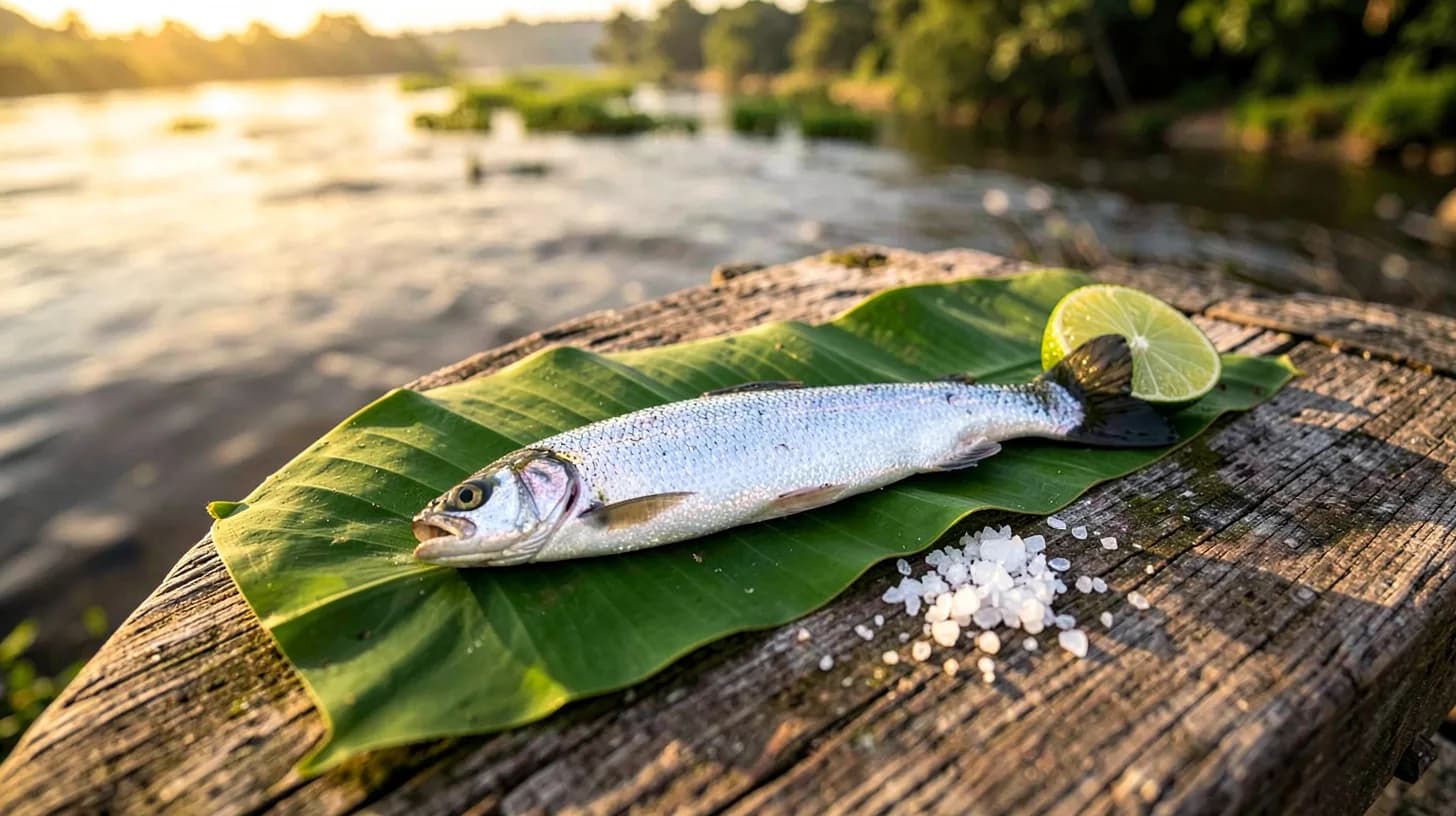
Bocachico, capaz, tilapia from Betania. What Huila's river actually feeds people, what that fish gives your body, and why the catch is getting harder to find.
5 min read