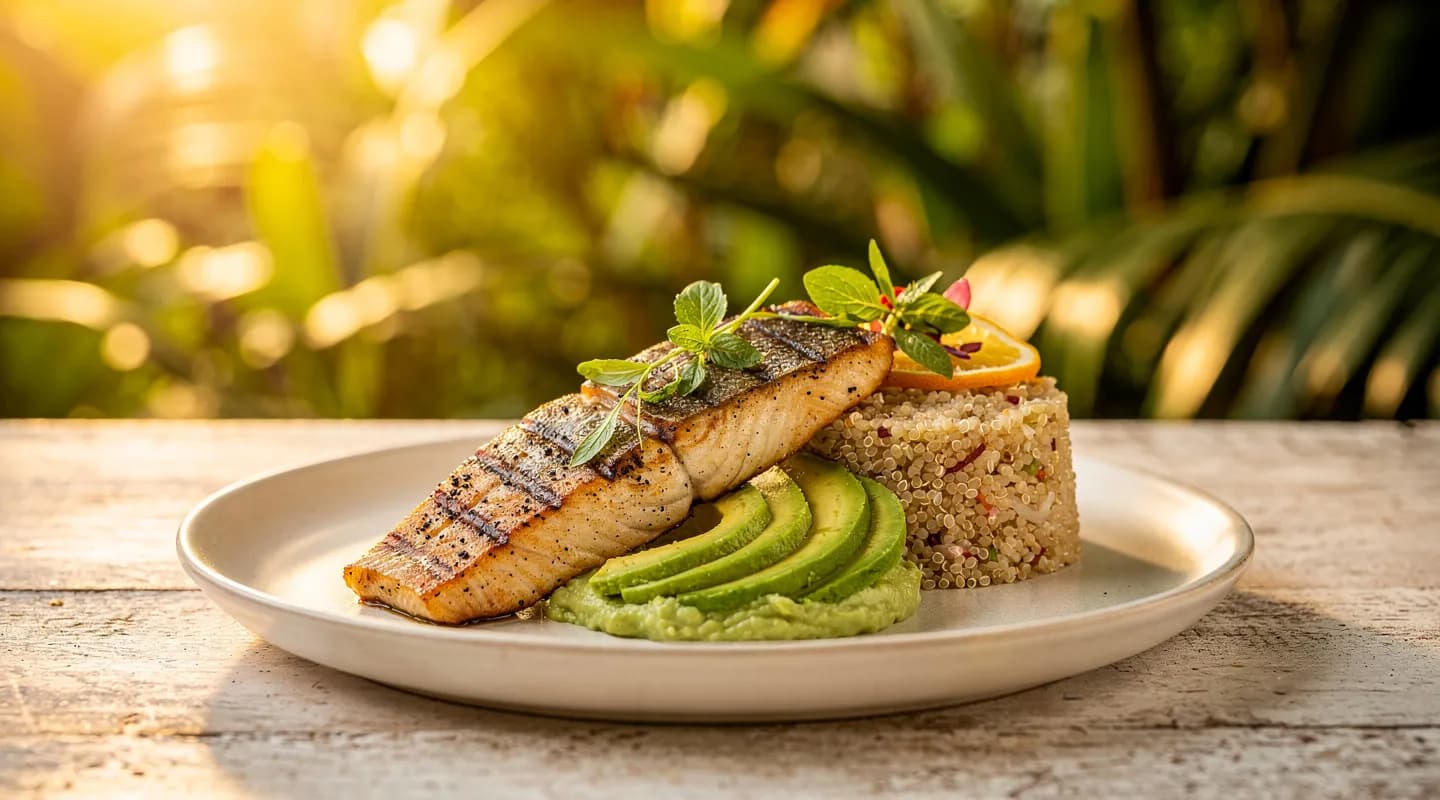
 Nutrition
Protein for Active Women: Needs, Sources and Timing Myths
How much protein do active women really need, where should it come from, and does the post-workout window matter? A calm, evidence-informed guide without the bro-science.
5 min read

Nutrition
Phoenix Initiative5 min read
"Eat seasonally" is one of the few pieces of food advice almost nobody argues with. It is also written almost entirely by people living in temperate latitudes, where the year has four acts and a shopping calendar can tell you that March means leeks and August means tomatoes.
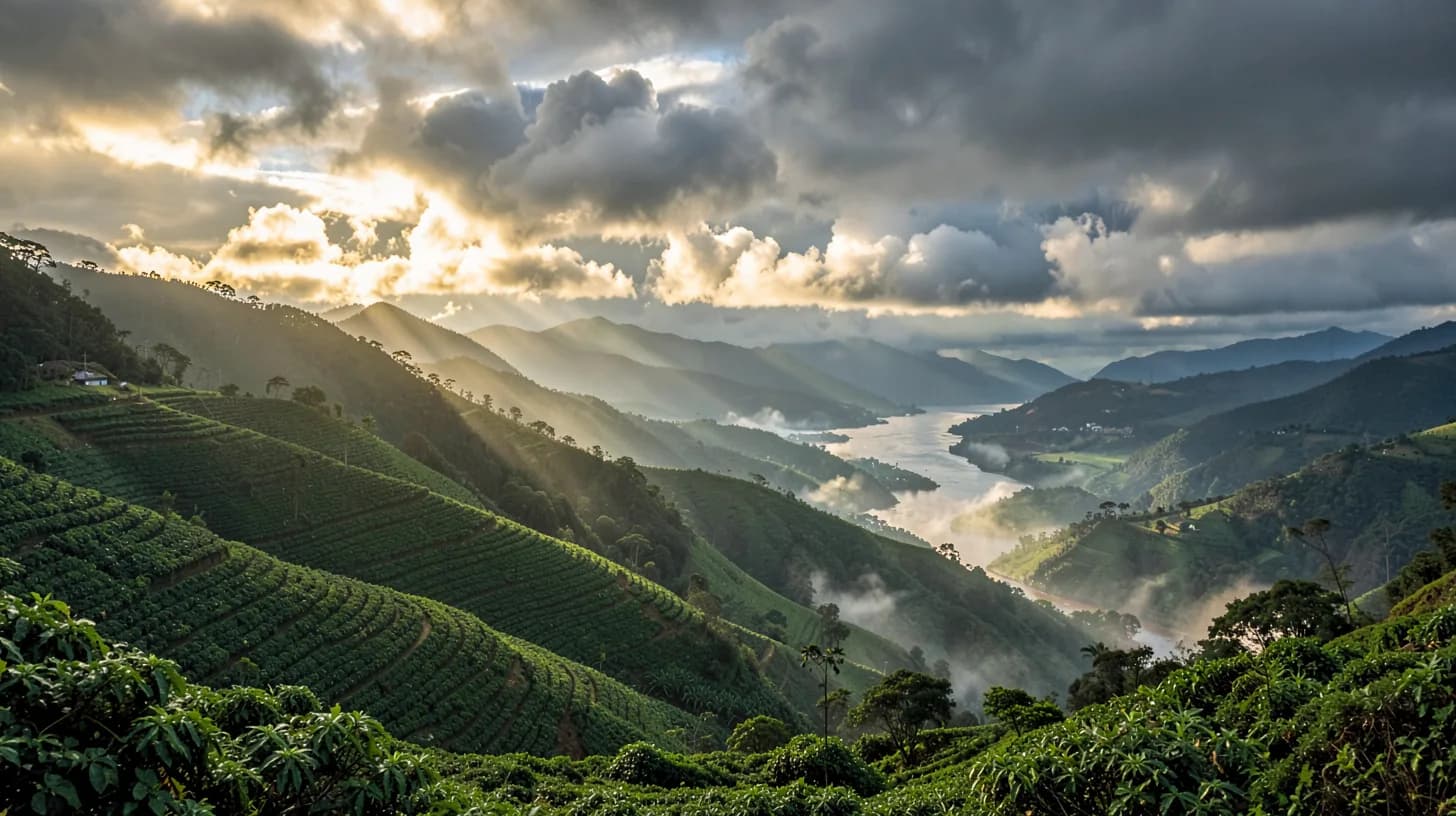
Move that advice to seven degrees north of the equator and it stops making sense in the form you learned it. Day length in Huila barely changes across the year. There is no spring, no autumn, no killing frost, no dormancy. The concept of seasonality does not disappear — it changes shape entirely, and the new shape is more interesting than the old one.
Colombia's Andean interior runs on a bimodal rainfall regime. Rather than one wet period and one dry, the year has two of each, driven by the intertropical convergence zone passing overhead twice as it migrates north and south.
Broadly, the wetter stretches fall around March to May and again around September to November, with drier windows in between. Local people rarely say "summer" or "winter" in the European sense; verano means the dry spell and invierno means the rains, regardless of what the calendar says.
For food, rain is the clock. Rain triggers flowering in many tropical trees, and fruit follows flowering by a predictable interval. That is why the harvest calendar of a tropical valley reads as a lagged echo of its rainfall chart, and why a farmer can tell you what will be abundant in three months by remembering what the sky did last month.
Here is the part that has no temperate equivalent. In the Andes, altitude does the work that latitude does elsewhere. Colombians describe this in pisos térmicos — thermal floors — and the vocabulary is genuinely useful.
A market in a Huila town therefore aggregates several climates at once. The mangoes came up from the hot valley floor, the blackberries came down from cold country a few hours away, and both are in season today. Vertical distance replaces the waiting that a temperate year imposes.
Coffee shows the pattern beautifully. Colombia is one of the few origins that harvests almost continuously, because different departments flower and ripen at different times. In the southern departments, including Huila, the main harvest falls around the middle of the year, with a secondary crop — the mitaca — later on; further north and in the centre, the main harvest arrives at the end of the year.
The practical consequence is that "fresh crop" means something different depending on which Colombian coffee you are drinking, and that harvest is not a single national event but a wave moving across the country.
Strip away the temperate framing and the underlying principle survives intact. Seasonal eating means eating what the land near you is producing in abundance right now, because that food is cheaper, better and travelled less. In the tropics that translates into different habits:
There is one honest limitation to name. Year-round abundance does not guarantee a varied diet — it makes variety easy, not automatic. A tropical valley can produce forty fruits and a household can still eat three.
The skill worth developing is not memorising a calendar; it is reading a market. What is piled in mountains? What is being sold by farmers rather than intermediaries? What are people buying in quantity rather than by the piece? Ask a vendor what is good this week and you will get a better answer than any guide could print, in any month of any year.
Phoenix Oasis will open on 30 June 2028, on thirty hectares in Rivera, Huila, in the hot floor of the Magdalena valley with cooler farms within reach above it. The plan is for the kitchen to buy on that logic rather than against it: menus built from what the surrounding altitudes are producing that week, changing with the rains rather than with an imported idea of spring.
You can practise the habit anywhere. This week, walk to the nearest market instead of the supermarket, and buy the thing there is the most of. Find out more about what is being built on the retreats page.
NutritionHow much protein do active women really need, where should it come from, and does the post-workout window matter? A calm, evidence-informed guide without the bro-science.
5 min read
 Nutrition
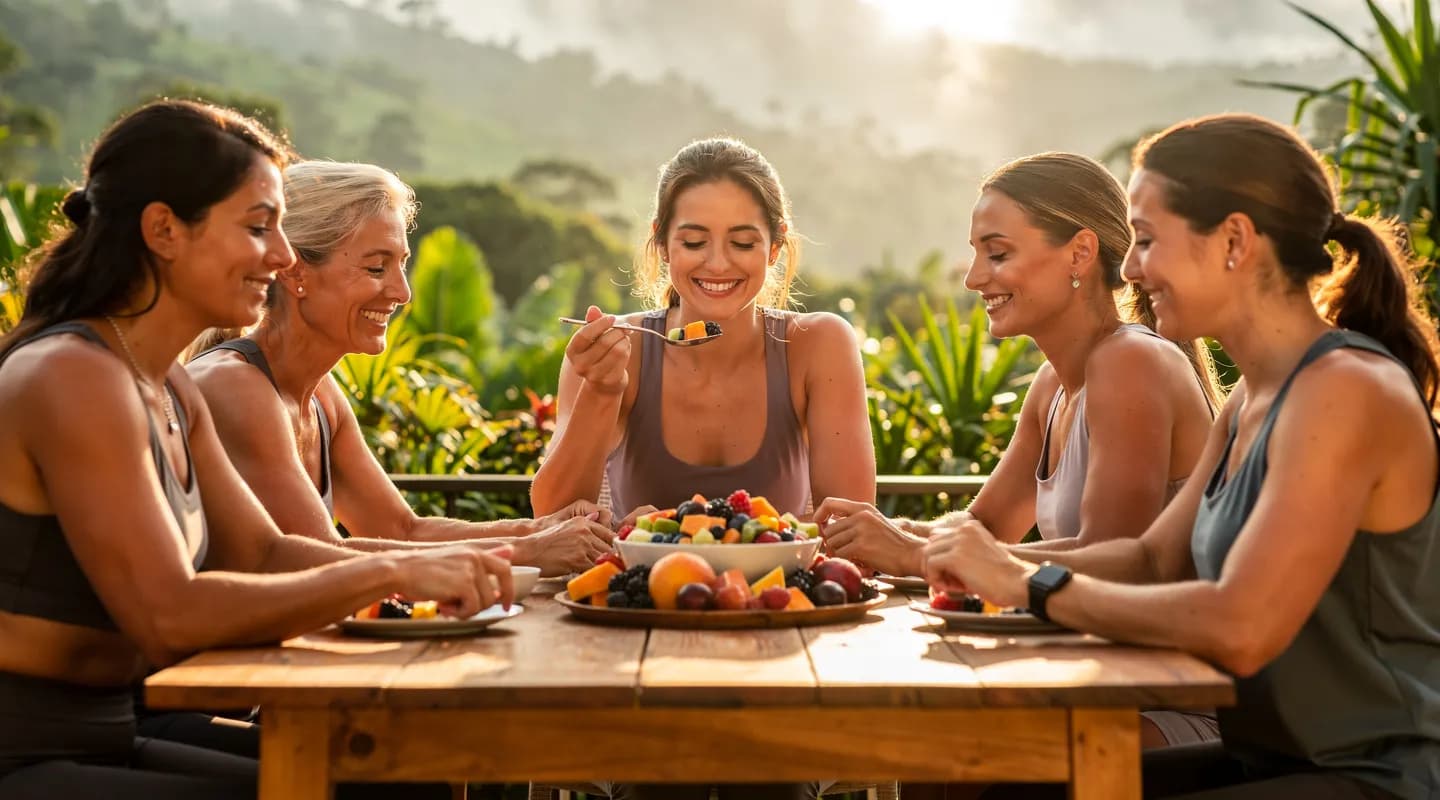
Most of us eat on autopilot — at desks, over screens, in cars. Here is what happens when you slow the meal down, and how to bring the retreat table home with you.
5 min read
 Nutrition
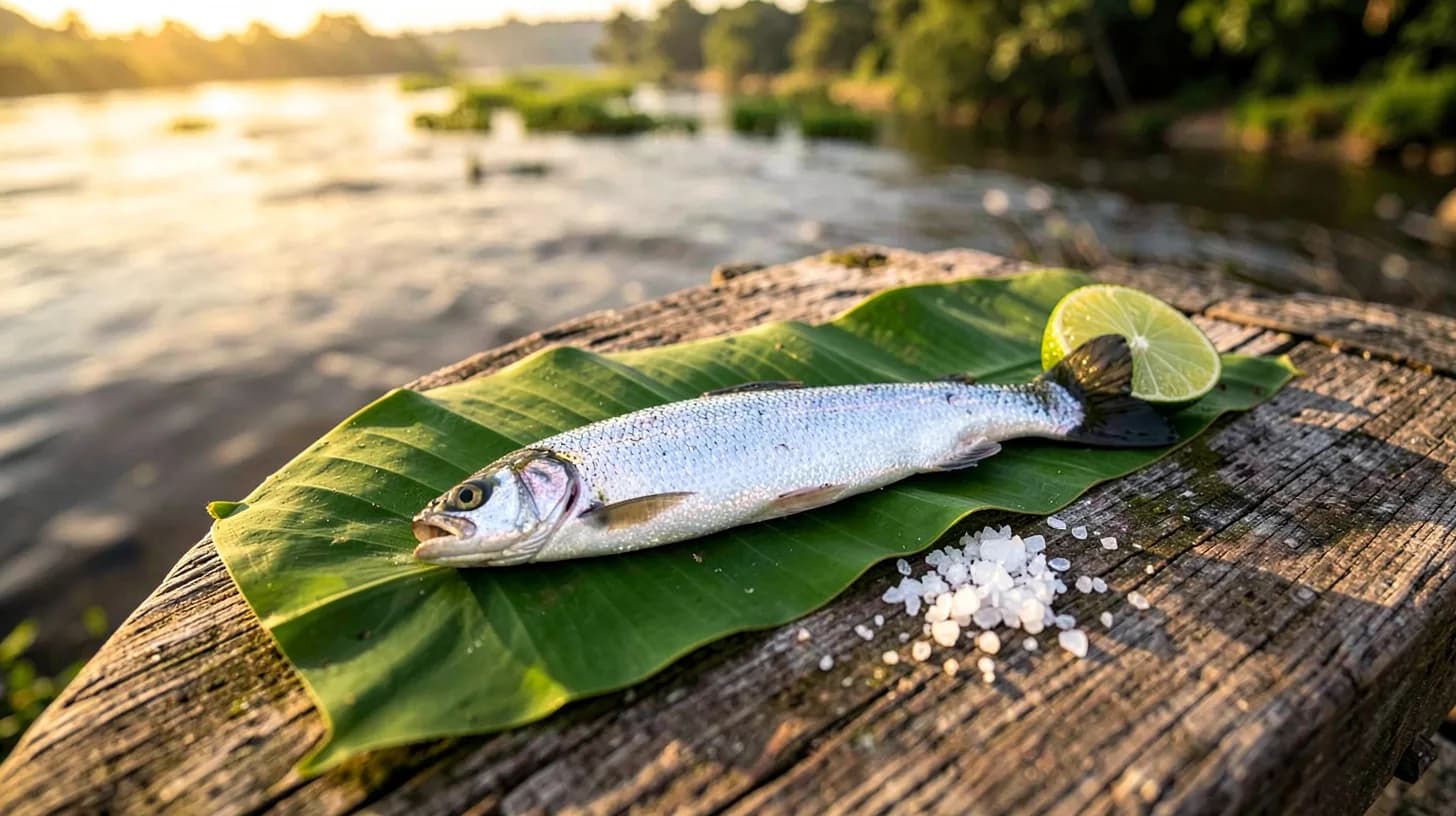
Bocachico, capaz, tilapia from Betania. What Huila's river actually feeds people, what that fish gives your body, and why the catch is getting harder to find.
5 min read