 Nutrition
Protein for Active Women: Needs, Sources and Timing Myths
How much protein do active women really need, where should it come from, and does the post-workout window matter? A calm, evidence-informed guide without the bro-science.
5 min read

Nutrition
Phoenix Initiative5 min read
Somewhere in the wellness industry, a very old idea got a new coat of paint. The notion that the body accumulates impurities and needs periodic purging is thousands of years old and appears in almost every medical tradition. What is new is the packaging: seven bottles of cold-pressed juice, a fortnight of herbal capsules, a retreat with the word cleanse on the brochure.
The premise deserves a straight answer, because it is genuinely testable. Does the body accumulate something that a juice can remove? And if not, why do so many people finish a cleanse feeling better than when they started?
Your body already runs a continuous, extremely capable detoxification system. It does not take days off and it does not need to be switched on.
The core problem with the detox category is linguistic. Ask which specific substance a product removes and the answer is almost never given. Heavy metals? Pesticide residues? Alcohol metabolites? "Toxins" as a category is not a chemical description — it is a marketing term, and its vagueness is not accidental, because an unnamed substance cannot be measured and a claim about it cannot fail.
Where genuine poisoning occurs — lead, mercury, certain drugs — treatment is specific, medical and supervised. It has never involved celery juice.
Reviews of the field keep arriving at the same conclusion. A widely cited 2015 review in the Journal of Human Nutrition and Dietetics examined the available studies on commercial detox diets and found no convincing evidence that they eliminate any specific toxicant or produce lasting weight management, alongside repeated concerns about study quality.
That is the state of things: no controlled human evidence that any commercial cleanse improves on what a healthy liver and two kidneys do continuously and for free.
This is the interesting part, and it is not dismissive. People frequently do feel better during a cleanse — but look at what a typical cleanse week actually involves. Alcohol stops. Ultra-processed food stops. Water intake rises. Sleep usually improves because the whole week is framed as a reset. Someone is paying deliberate attention to what they eat, often for the first time in months.
Any one of those changes would produce real effects. Bundled together and attributed to a bottle of juice, they create a persuasive illusion — and, unfortunately, an expensive one, because the credit goes to the product rather than to the behaviours that could be kept.
Most are simply a waste of money, but some carry real risk, and it is worth naming it plainly.
Anyone with a diagnosed liver or kidney condition, anyone pregnant, and anyone taking regular medication should treat all of the above as a conversation with a doctor rather than a personal experiment. Several common herbal preparations interact with prescription drugs.
The unglamorous list, which happens to be the one supported by evidence:
This matters for a project like ours, because a wellness centre in the tropics is exactly the kind of place that could sell a cleanse. Phoenix Oasis will not. The 30 hectares under development in Rivera, Huila, are being designed around training, food, rest and recovery — thermal water, mountains, a kitchen built on what grows here — and none of that will be described as removing toxins, because it does not.
What a well-designed stay can genuinely offer is the useful part of the cleanse myth without the mythology: a stretch of days with no alcohol, real food, hard training, deep sleep and enough attention to notice the difference. When the first stays begin in July 2028, that is the promise, and it is an honest one.
You can read how the stays are being designed — and cancel the juice order.
NutritionHow much protein do active women really need, where should it come from, and does the post-workout window matter? A calm, evidence-informed guide without the bro-science.
5 min read
 Nutrition
Most of us eat on autopilot — at desks, over screens, in cars. Here is what happens when you slow the meal down, and how to bring the retreat table home with you.
5 min read
 Nutrition
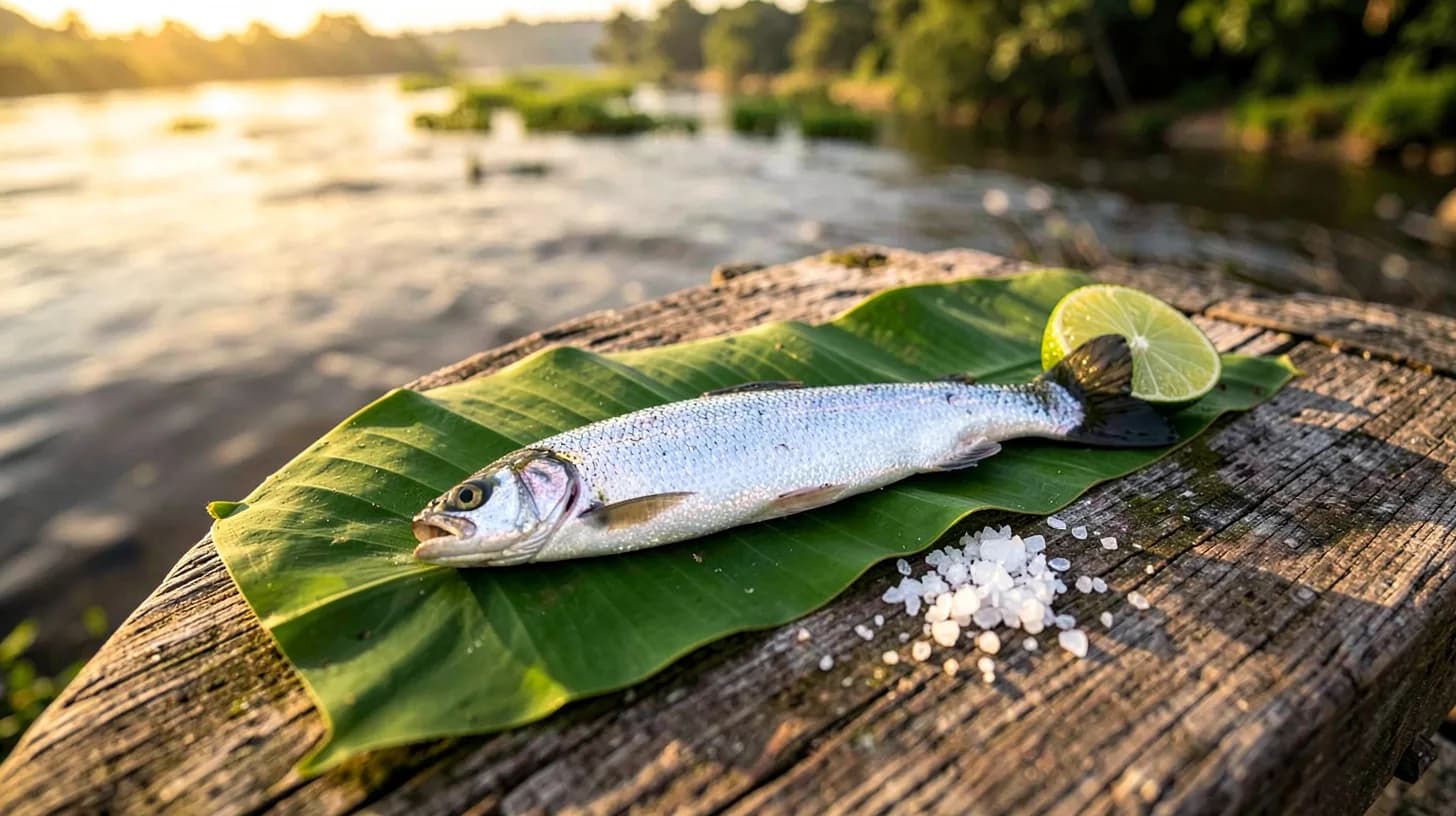
Bocachico, capaz, tilapia from Betania. What Huila's river actually feeds people, what that fish gives your body, and why the catch is getting harder to find.
5 min read