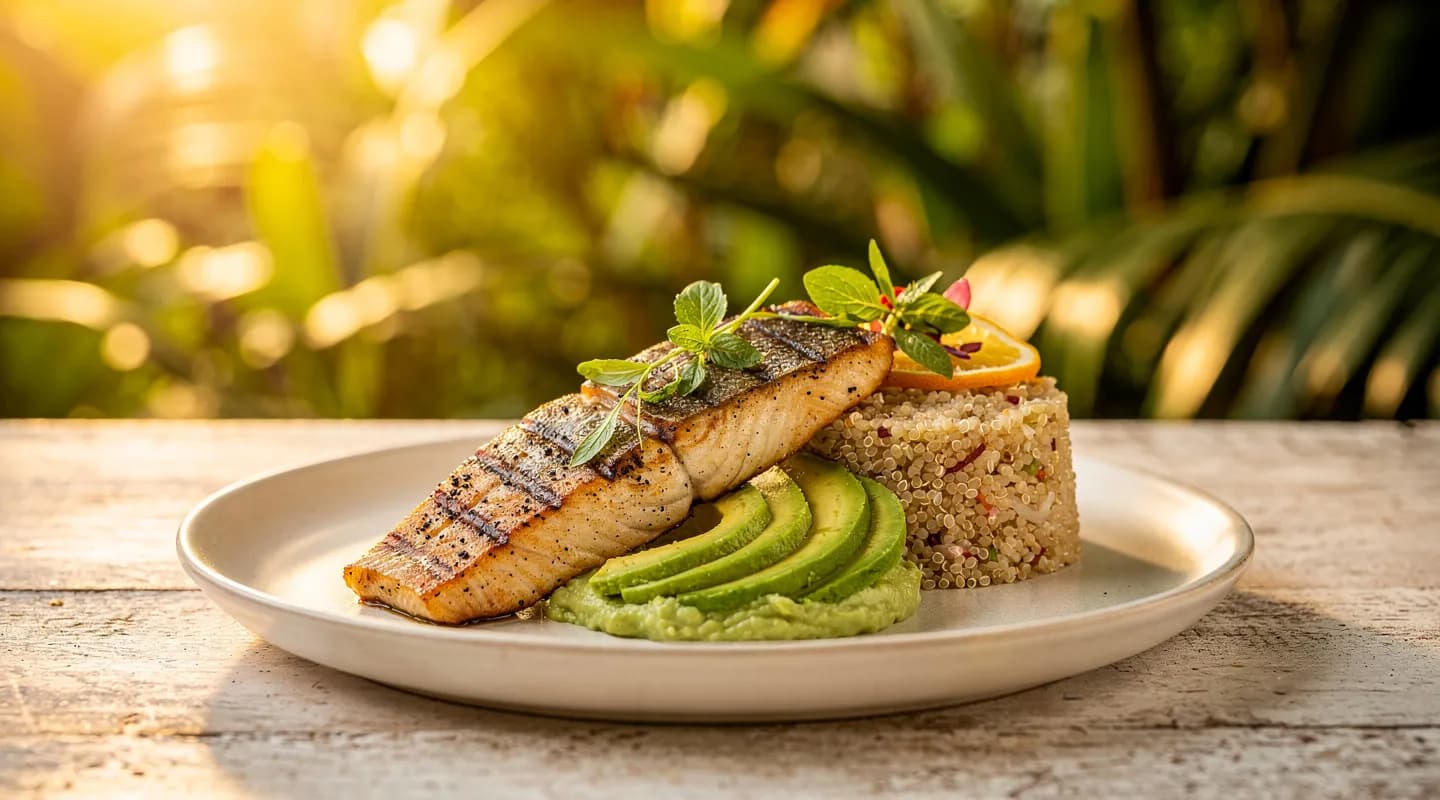
 Nutrition
Protein for Active Women: Needs, Sources and Timing Myths
How much protein do active women really need, where should it come from, and does the post-workout window matter? A calm, evidence-informed guide without the bro-science.
5 min read

Nutrition
Phoenix Initiative5 min read
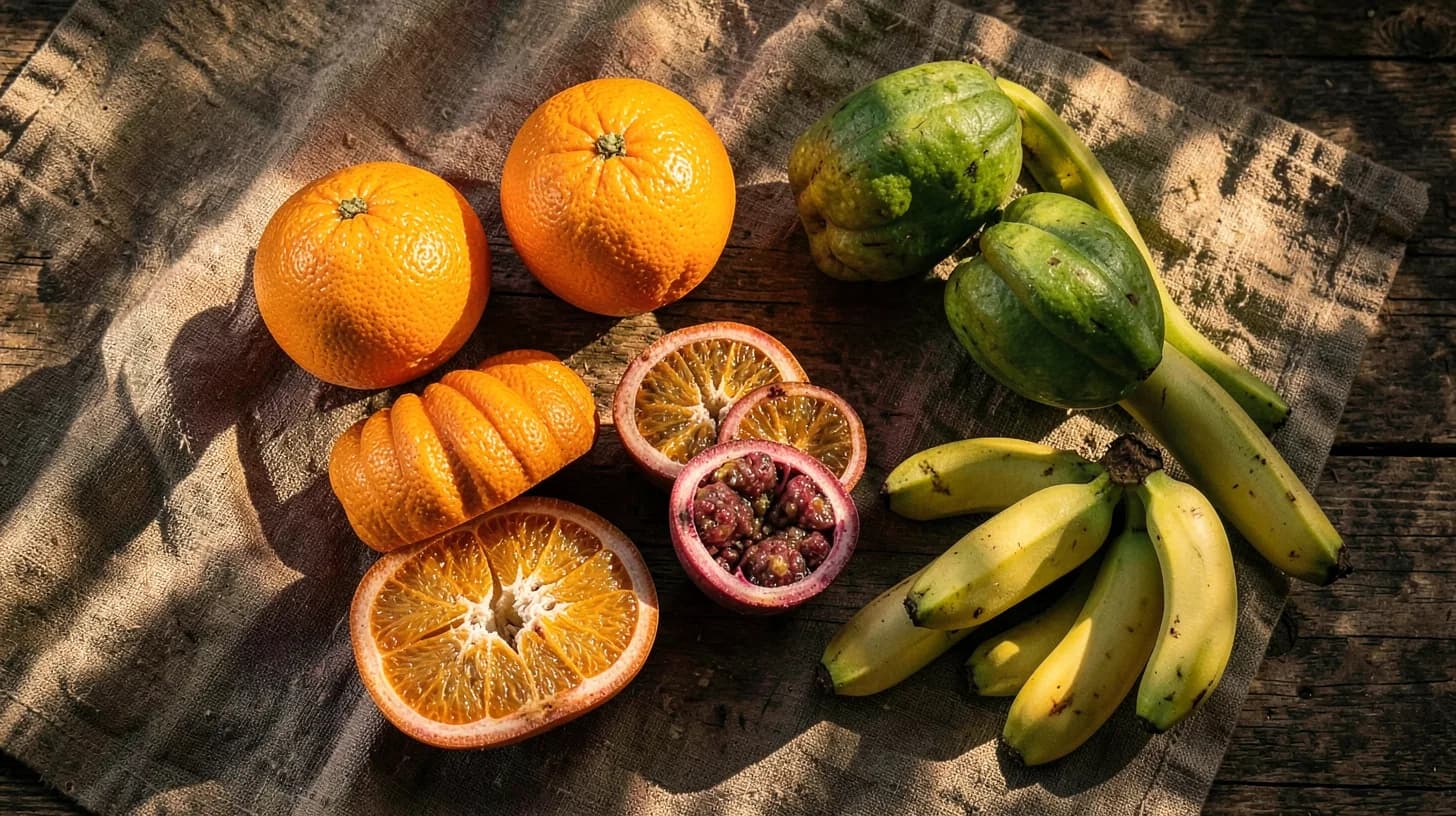
At a juice counter anywhere in Colombia, the first question is not what you want but how you want it: en agua o en leche — with water or with milk. The second question is harder, because the board above the counter lists a dozen fruits you have never seen in a supermarket, and half of them do not have an English name.
Huila, in the country's south, sits in the upper Magdalena valley between two arms of the Andes. It is best known abroad for coffee, but the same combination of altitude bands, volcanic soil and reliable sun produces one of the richest fruit inventories in Colombia — and in particular an extraordinary concentration of the passion fruit family.
This is a field guide, not a shopping list. Learn to read these fruits and a Colombian market stops being decorative and becomes legible.
Half the confusing fruit in Huila belongs to the genus Passiflora. They look nothing alike and taste nothing alike, but the internal architecture is always the same: a shell, and inside it a cluster of seeds each wrapped in juicy pulp.
Lulo (Solanum quitoense) is a small orange fruit with a faint furry coat and, when you cut it, a startling green interior. It is not a fruit you eat out of hand: raw, it is bracingly acidic. Blended with water and a little sugar it becomes jugo de lulo, a pale green drink somewhere between lime, rhubarb and something entirely unfamiliar. It is native to the Andean slopes of Colombia and Ecuador, where it is also known as naranjilla, and it is genuinely difficult to find outside the region because it travels badly.
Like most of these fruits, it is a good source of vitamin C, and — this matters — a poor source of anything if you drink only the sugar-heavy version.
Guanábana (Annona muricata, soursop) is the large, spiny, dark green fruit that looks faintly prehistoric. The pulp is white, fibrous and creamy, tasting like a cross between banana and citrus. It is superb blended with milk.
It is also the subject of persistent internet claims about curing serious illness. Those claims are not supported by evidence, and concentrated leaf extracts are a different thing altogether from eating the fruit. Enjoy it as fruit. Any question about disease belongs with a doctor, not with a juice.
Colombian fruit culture is overwhelmingly liquid, and that is worth thinking about. Blending removes nothing — the fibre is still there — but straining does, and adding sugar changes the picture again. A jugo de lulo en agua with little or no sugar is a very different proposition from the same drink made with three spoonfuls.
Three practical rules:
The 30 hectares of Phoenix Oasis in Rivera, Huila, sit in exactly this fruit country, and the agricultural plan for the site gives real space to it: productive planting alongside restoration, with the fruit calendar shaping what appears on the table rather than a menu written in advance and sourced to match.
When the first stays begin in July 2028, the intention is that a large part of what is served will have grown within sight of where it is eaten — including the passion fruits that carry this department's name. Until then, the useful preparation is a small one: find a market that sells something on this list, and try the one you cannot pronounce.
You can read about the Foundation's restoration work while you look for it.
NutritionHow much protein do active women really need, where should it come from, and does the post-workout window matter? A calm, evidence-informed guide without the bro-science.
5 min read
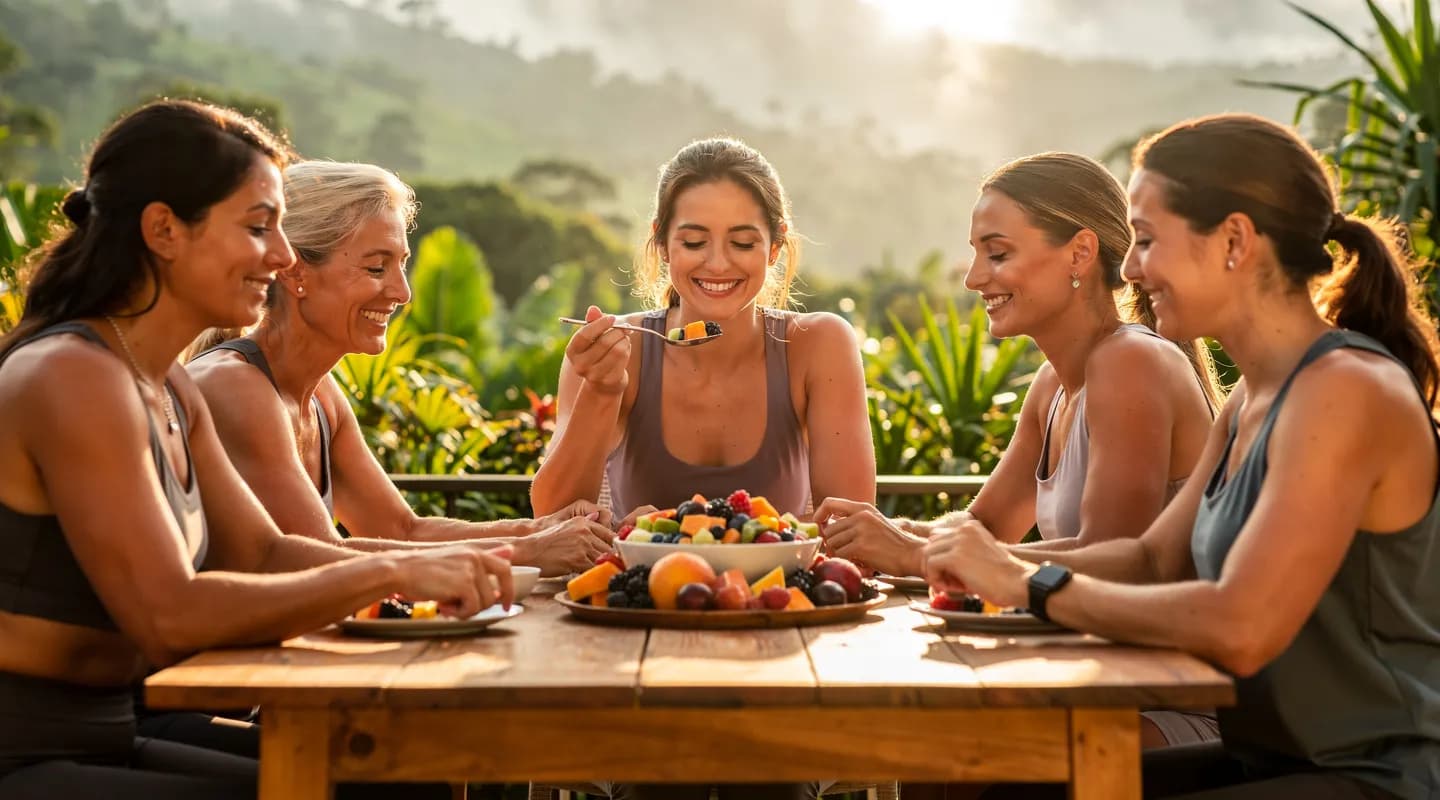 Nutrition
Most of us eat on autopilot — at desks, over screens, in cars. Here is what happens when you slow the meal down, and how to bring the retreat table home with you.
5 min read
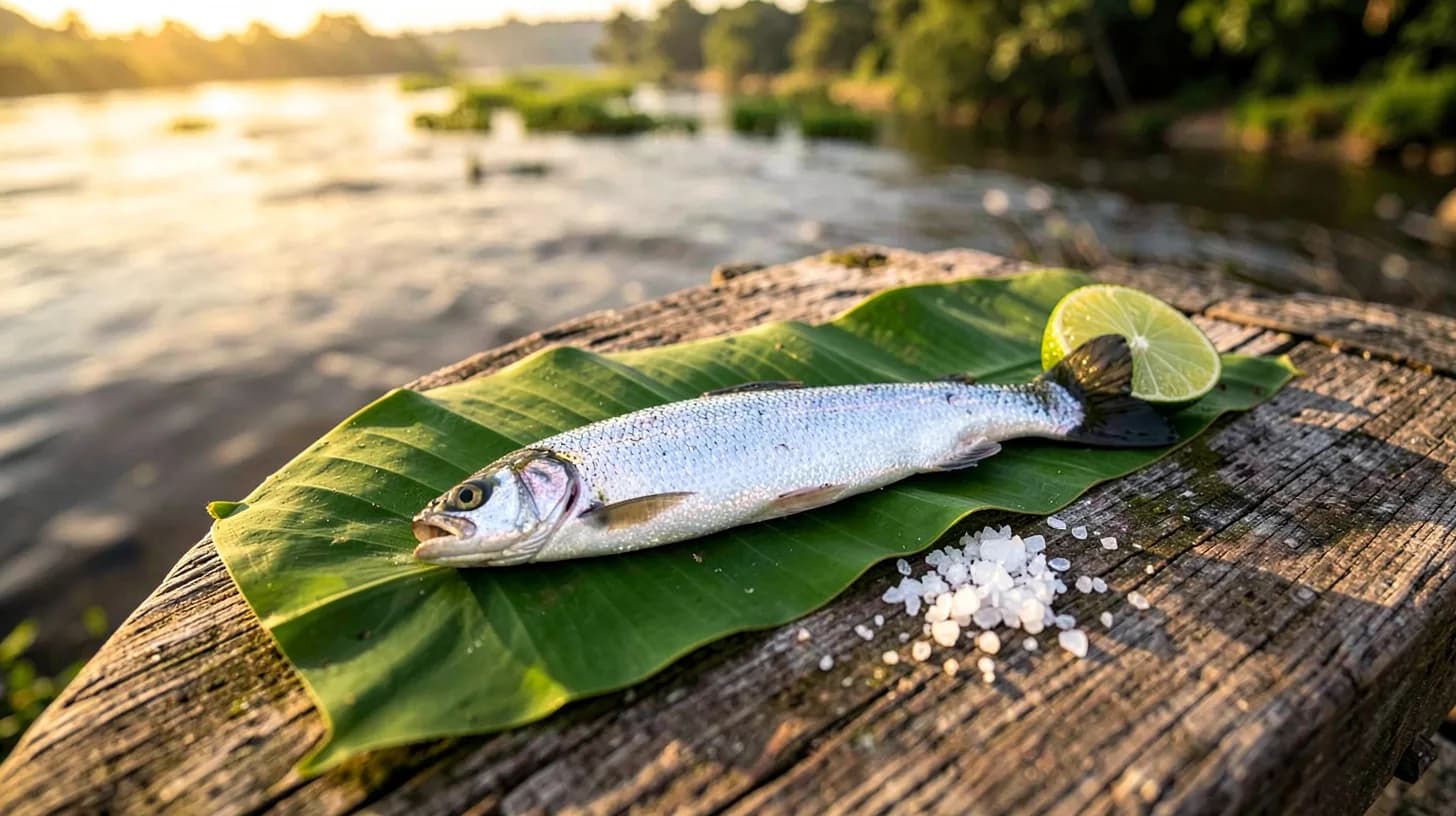 Nutrition
Bocachico, capaz, tilapia from Betania. What Huila's river actually feeds people, what that fish gives your body, and why the catch is getting harder to find.
5 min read