 The Oasis
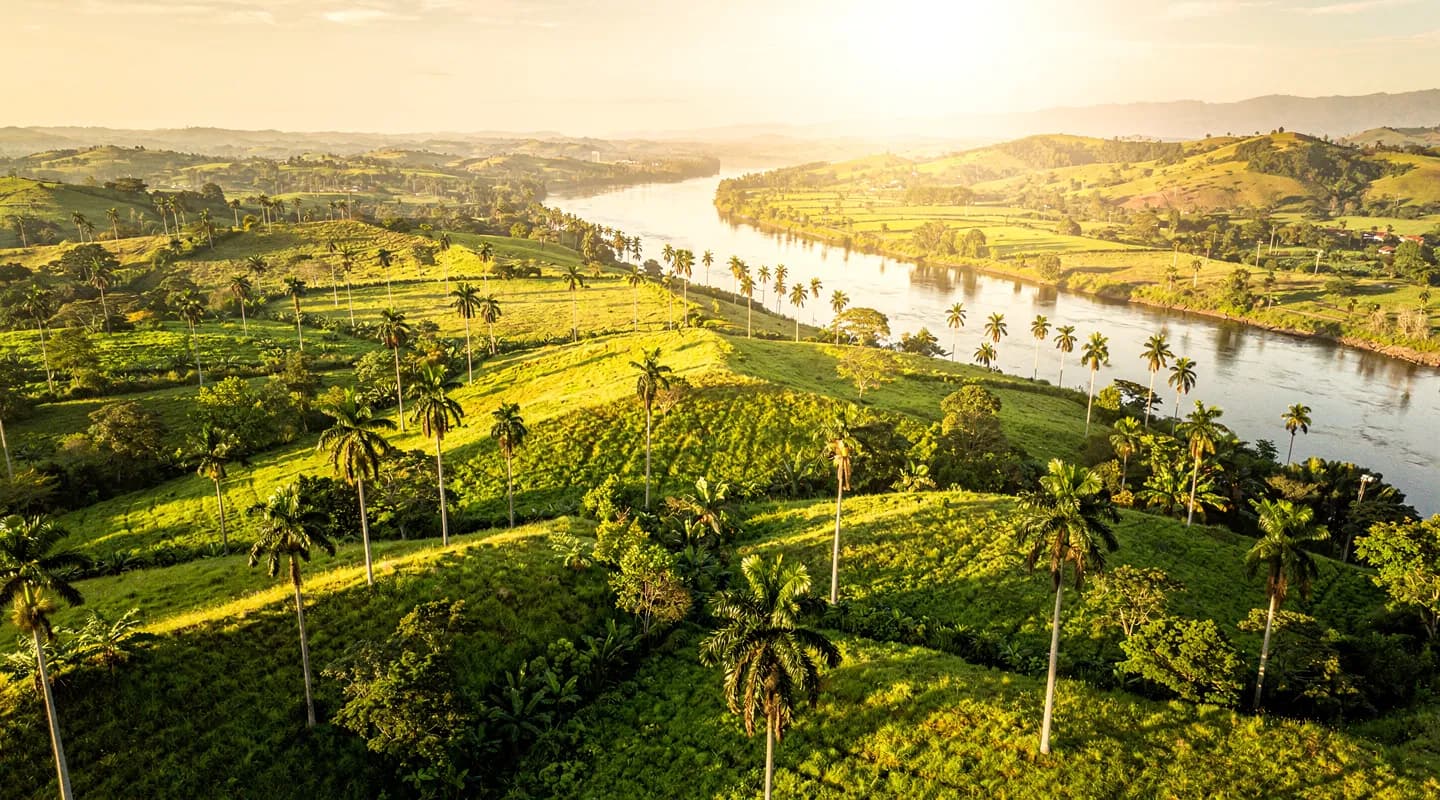
Why Rivera, Huila: How the Land for Phoenix Oasis Was Chosen
Thermal water, a climate made for training year-round, and a community worth building with: the founding intentions behind choosing Rivera, Huila, Colombia.
4 min read

The Oasis
Phoenix Initiative5 min read
Gardeners in temperate countries organise their year around a pause. Autumn puts the beds to sleep, frost resets the pests, and the seed catalogue arrives in January to be read by a fire. The whole culture of vegetable growing — rotation, sowing dates, storing the harvest — is built on that annual full stop.
Two degrees north of the equator there is no full stop. In the valleys of Huila the temperature in January is close to the temperature in July, the day is close to twelve hours long in every month, and nothing goes dormant: not the crops, not the weeds, not the insects. Growers here do not plan a season. They plan a rhythm.
The kitchen garden intended for Phoenix Oasis has to work inside that rhythm. What follows is how tropical food gardens actually behave — the real constraints anyone planting on this land will meet, long before anybody eats anything.
The upside is obvious: things grow all year, and fast. Warmth plus light plus water is the engine of plant growth, and Huila supplies all three generously.
The downside is the same sentence read differently. Nothing gets a rest, which means the soil never gets a rest either — organic matter mineralises quickly in warm, moist ground, so fertility that would last a European bed for three years can be spent in one. Pests are not knocked back by cold; a population that gets established simply continues. And there is no natural pause in which to do heavy maintenance, so the work has to be scheduled deliberately rather than handed to the calendar.
What structures the year instead is rain. Andean Colombia has a bimodal pattern — two wetter stretches and two drier ones — and it is those transitions, not temperature, that dictate when to sow, when to mulch heavily and when to expect trouble.
The land in this part of Huila owes much of its fertility to volcanic ash. Soils formed from ash, which soil scientists call andisols, are among the most agreeable in the world to work: dark, light in the hand, remarkably good at holding both water and air, and generous in organic matter.
They also have a quirk worth knowing. The minerals that form as volcanic ash weathers bind phosphorus tightly, so a soil that looks superb can still leave plants short of an element they need for roots and flowering. The practical answer is not a heavier bag of fertiliser: it is compost, mycorrhizal-friendly practice, and patience. It is also a reminder that "rich volcanic soil" is a real advantage and not a magic one.
In a climate with no winter, the sensible core of a garden is not a bed of annuals but a standing population of plants that produce continuously.
Around that backbone, the fast annuals rotate: beans, tomatoes, chillies, cucumbers, squash, in short overlapping successions rather than one grand spring sowing.
This is where imported gardening advice fails most visibly. Lettuce and temperate spinach bolt — they run to seed and turn bitter — when nights stay warm. You can grow them in the tropics, but you fight for them.
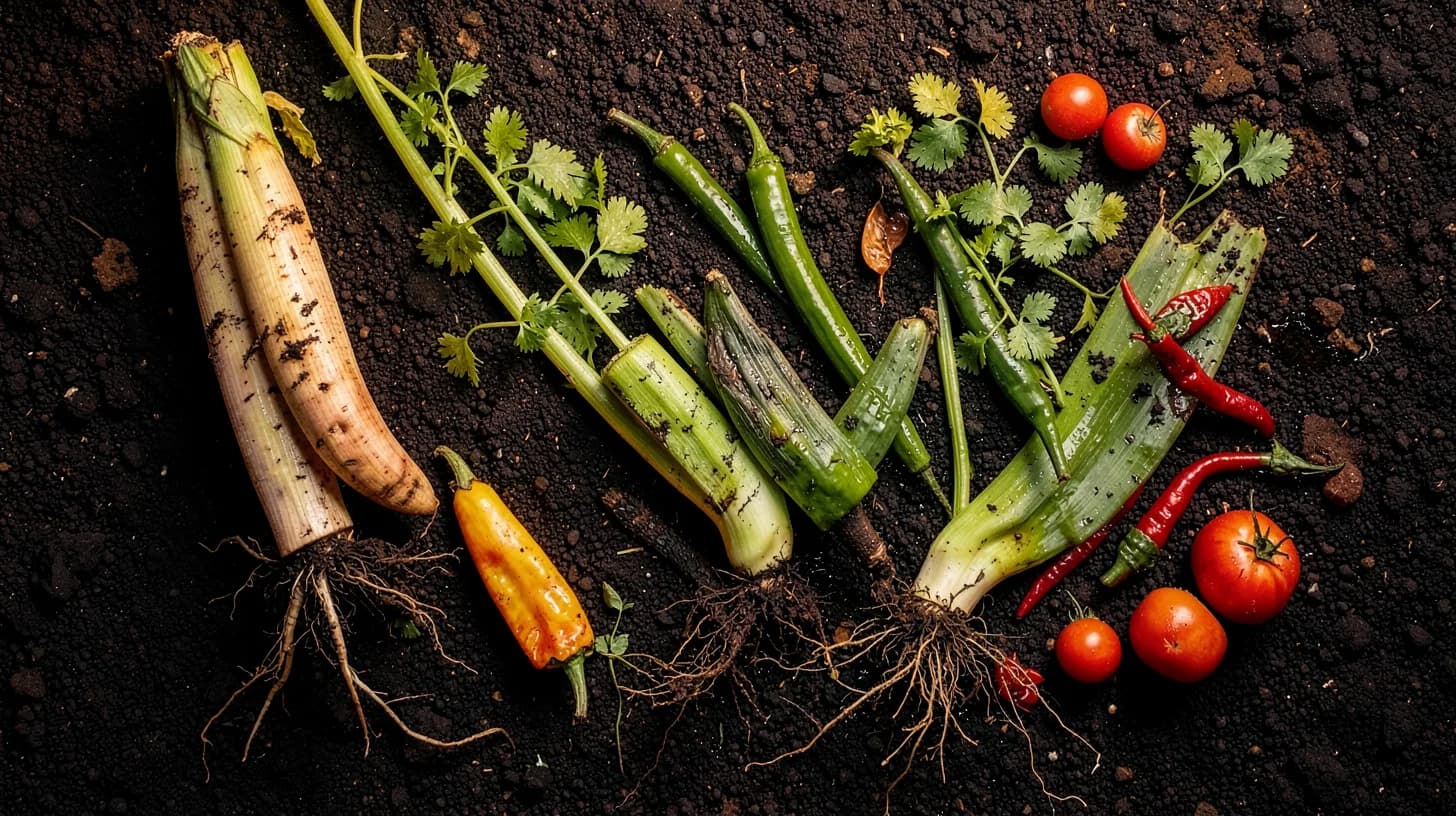
The alternatives are excellent and mostly local. Amaranth greens, chaya, Malabar spinach and sweet potato leaves all thrive in exactly the conditions that defeat a lettuce. For flavour, cilantro cimarrón, the long-leaved culantro used across the Colombian kitchen, holds in heat where ordinary coriander collapses in a fortnight. Choosing the plant that wants to be there is not a compromise; it is the whole craft.
Any garden here should also grow what this department is known for. Lulo, the tart orange fruit that makes the country's best juice, is Andean and thrives on cool nights. Granadilla and the passion fruit family are at home on trellises. And Huila has its own protected treasure: the cholupa, a small yellow passion fruit granted a Colombian denomination of origin, grown almost nowhere else on earth.
Add the department's coffee — Huila is among Colombia's most decorated growing regions — and its achira, the starchy root behind the crisp little biscuits sold at every roadside, and you have a garden that tastes like a place rather than like a supermarket.
The Oasis is due to open on 30 June 2028, and the kitchen garden is one of the pieces still being planned rather than picked. Trees planted early will be the ones ready first; soil built early will be the soil that carries the first harvest.
The intention is simple to state and hard to execute: a garden designed so the kitchen can walk out and cut what it needs, on any day of any month, because something is always ready. Not a decorative row of herbs by the door, but a working system that has been thought about in wet season and dry.
You can see what else is planned for the estate on the facilities page.
The OasisThermal water, a climate made for training year-round, and a community worth building with: the founding intentions behind choosing Rivera, Huila, Colombia.
4 min read
 The Oasis
This is a projection, not a timetable. A day-by-day sketch of how a seven-day stay is currently designed to unfold, with the caveats stated plainly up front.
5 min read
 The Oasis
Close to the equator there is no summer and no winter, but there is a calendar. Here is how the year in Huila is expected to shape training, food and the rhythm of a stay.
5 min read