 The Oasis
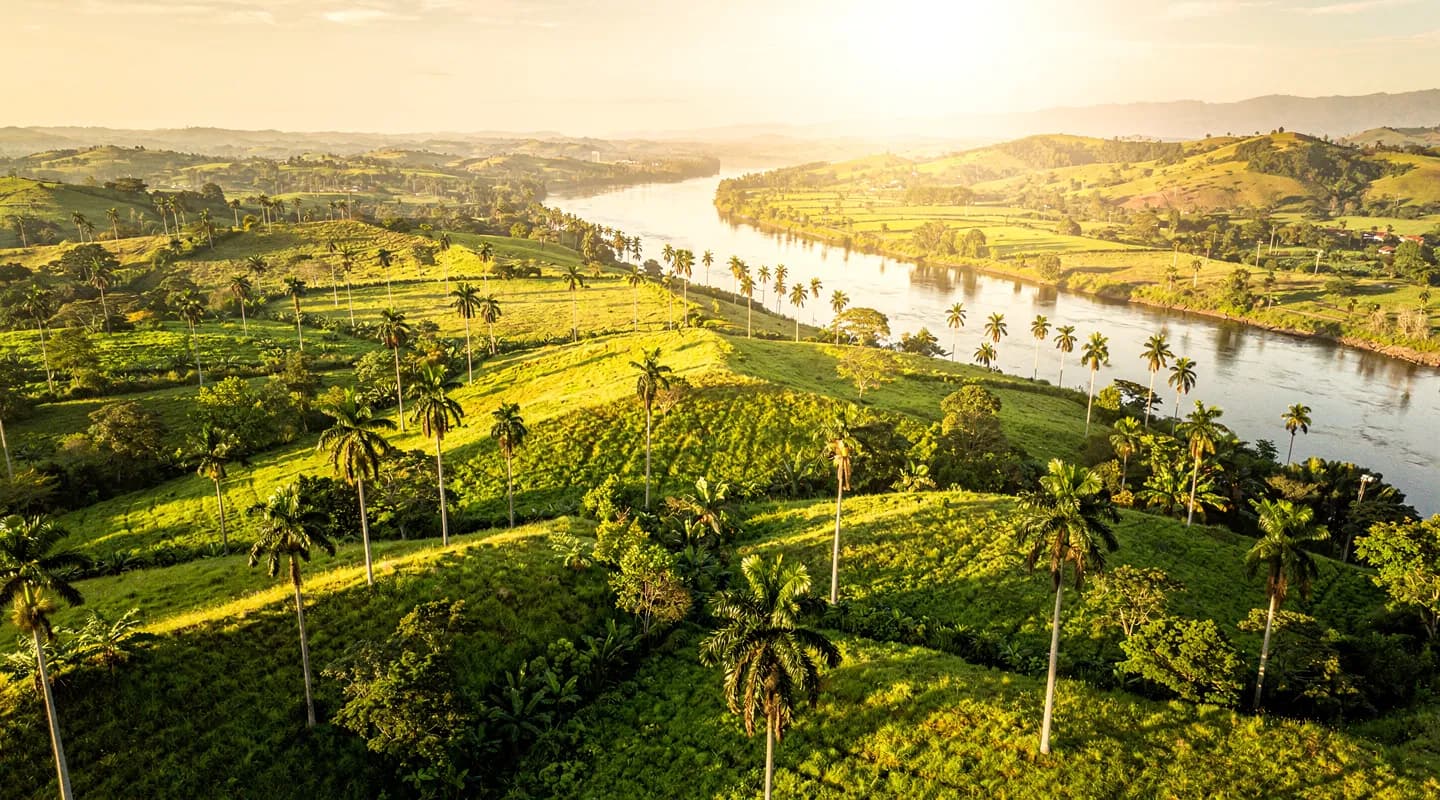
Why Rivera, Huila: How the Land for Phoenix Oasis Was Chosen
Thermal water, a climate made for training year-round, and a community worth building with: the founding intentions behind choosing Rivera, Huila, Colombia.
4 min read

The Oasis
Phoenix Initiative5 min read
Let us be precise about what this article is, because the temptation to read it as a brochure is strong. This is a sketch of a week that has not happened yet. Phoenix Oasis opens on 30 June 2028. No cohort has walked through this schedule. Every hour below comes from the programme design as it currently stands, and a good portion of it will change once real women, real weather and real fatigue get involved.
We are publishing it anyway, for one reason: a woman deciding whether to give a week of her life to something deserves to see the shape of it, including the parts that are still uncertain. A page of adjectives tells you nothing. A projected schedule tells you a great deal, even if the details move.
So: this is how a seven-day stay — the format called the Wake-Up Call — is currently designed to unfold. Read it as an architect's drawing, not a photograph.
Arrival day is deliberately underloaded. Most international guests will land in Neiva after a long flight through Bogotá, and the design assumes exhaustion rather than enthusiasm.
The plan for day one is the welcome sequence, time alone in the bungalow, a first meal, and one short orientation walk on the estate to get the legs moving after travel. No training block. No goal-setting workshop. The only thing scheduled with any weight is the sunset, facing west, which every day of the stay is designed to end with.
These are the days where the rhythm gets installed. The current sketch places the shape roughly like this:
Two days is roughly what it takes for a body to stop arguing with a new schedule. The design deliberately keeps the first two mornings sub-maximal, on the reasoning that a woman who arrives from a sedentary year and is pushed hard on day two will spend day four in recovery she did not plan for.
Every honest week has a hard middle. In the current design, day four carries the longest single effort of the stay — most likely a hill route toward one of the estate's waterfalls, with the pace set to be genuinely demanding for the group as it actually is.
It is also, in the design team's expectation, the day when the initial novelty has worn off and home has started to reassert itself. Placing the biggest physical demand there is intentional: the plan is for the week to be at its most convincing on the day it would otherwise be at its most fragile.
The evening of day four is correspondingly light. Nothing scheduled beyond food, the sunset, and time.
From day five the sketch opens up. The morning blocks continue, but the afternoons become genuinely elective — a technical boxing session, a strength progression, a longer solo walk on the trail network, or a workshop tied to the themes of the stay.
This is a design decision with a reason behind it. A retreat that decides everything for you produces a good week and no transferable habit. Handing choice back in the second half is how a schedule starts turning into a practice a woman can run without supervision — which is the whole point, since day eight will happen at home.
The last day is designed to be a real day, not a checkout. A short morning session, a final shared meal, and a closing sequence in the sunset zone — held in the morning for those flying out, because the ritual matters more than the hour.
The plan also includes a written departure piece: what changed, what is worth keeping, and what the first week back is actually going to look like. Not a certificate. A plan for Tuesday.
Plenty. Some of it is already predictable.
None of this is a promise about how a week will feel. It is a statement about how it is currently drawn, published early and on purpose, so that what eventually opens can be measured against it. If you want to compare the seven-day shape with the longer formats, the retreat programmes set them side by side.
The OasisThermal water, a climate made for training year-round, and a community worth building with: the founding intentions behind choosing Rivera, Huila, Colombia.
4 min read
 The Oasis
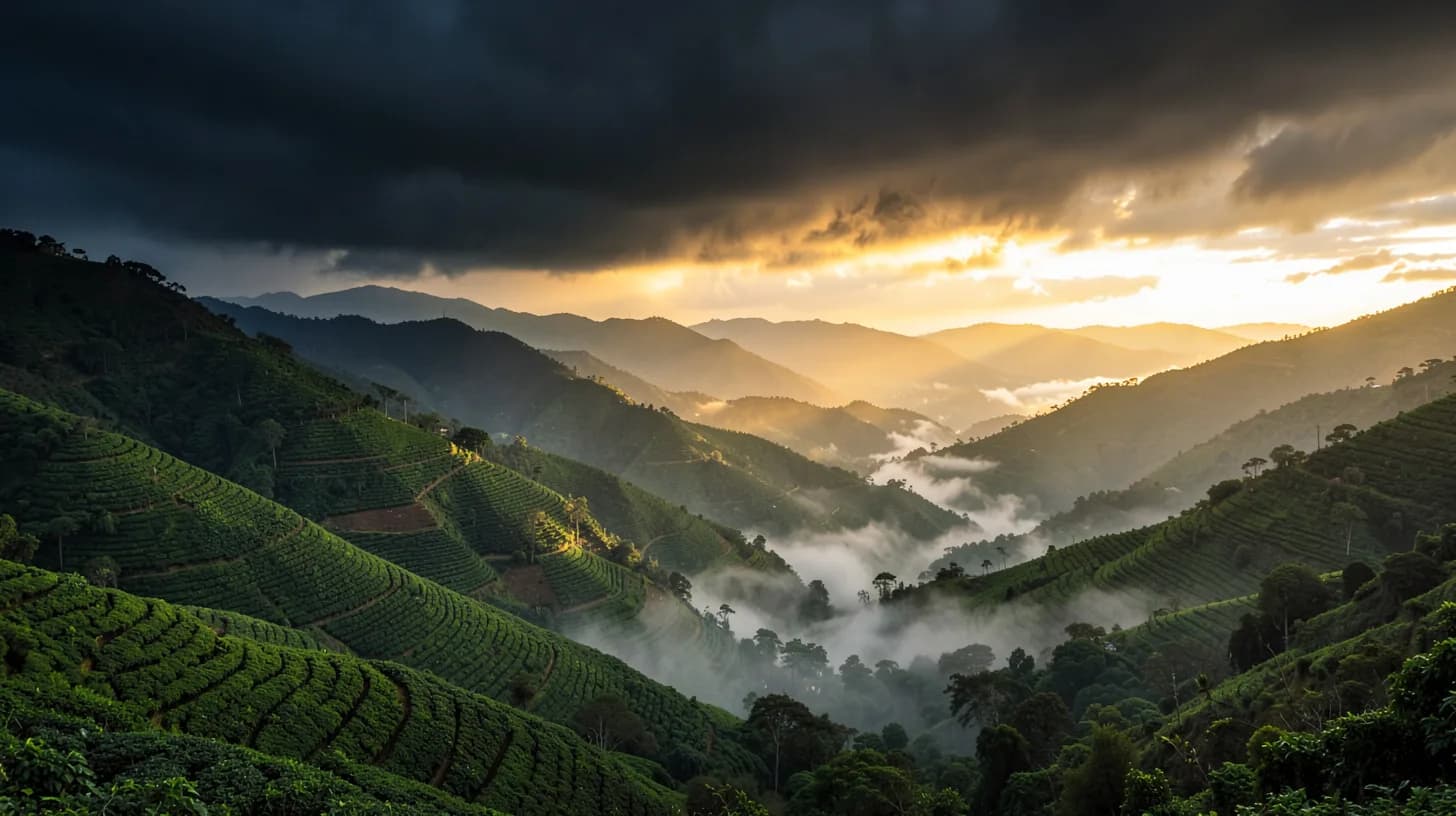
Close to the equator there is no summer and no winter, but there is a calendar. Here is how the year in Huila is expected to shape training, food and the rhythm of a stay.
5 min read
 The Oasis
A retreat is only as good as the people holding it. Here is the training philosophy being written for the Phoenix Oasis team, and the standards it intends to set before opening day.
5 min read