 The Oasis
What a Week Will Look Like: An Honest Projected Sketch
This is a projection, not a timetable. A day-by-day sketch of how a seven-day stay is currently designed to unfold, with the caveats stated plainly up front.
5 min read

The Oasis
Phoenix Initiative4 min read
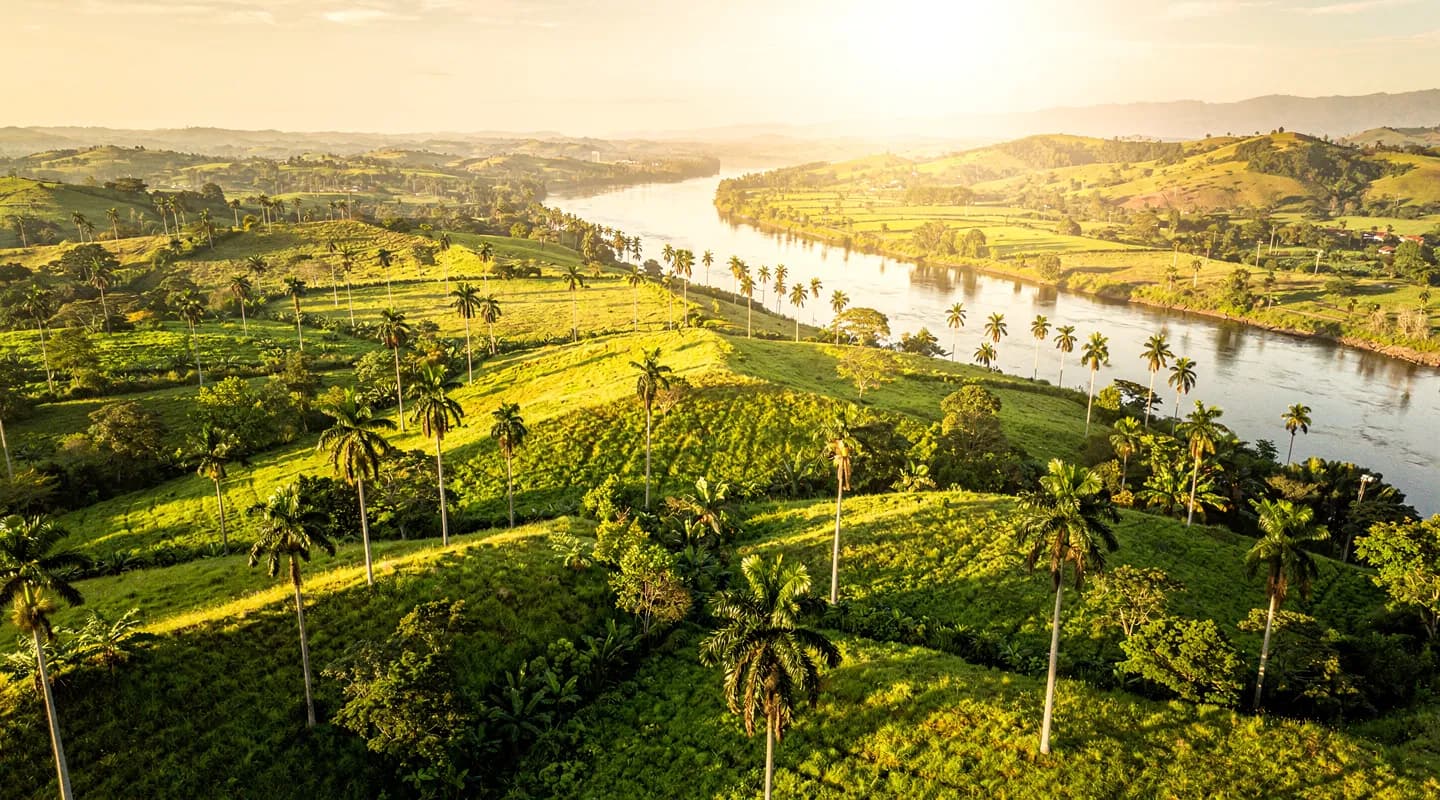
Before there was a plan, there was a question: where on earth do you build the world's first 100% women-only sports and transformation retreat? Not where is cheapest, not where is trendiest — where does the land itself do half the work? The search ended in Rivera, a small municipality in the Huila department of southern Colombia, where Phoenix Oasis is now under construction ahead of its opening on June 30, 2028. Choosing a site is the first design decision a place ever makes, and it deserves to be explained. Here are the founding intentions behind Rivera.
Rivera has a reputation across Colombia that precedes any brochure: it is hot-springs country. For a retreat whose method leans hard on recovery — because HIIT, strength work, boxing and hiking only become progress when the body is allowed to rebuild — natural thermal water was never a nice-to-have. It was a founding requirement.
The land that was finally chosen delivers beyond it. Across its 30 hectares run six waterfalls and three freshwater springs, plus the thermal spring that anchored the decision. Cold, moving water for the senses; warm, mineral water for tired muscles. No claims of cures, no spa mythology — just the oldest recovery protocol in human history, rising out of the ground on site. Very few places on earth offer that combination inside a single property line. When this one did, the shortlist got very short.
The second founding intention was meteorological. Rivera sits in the warm folds of the Andes near the equator, which produces something rare and precious for a training program: consistency. Days are warm, evenings are mild, and daylight hours barely shift across the year. There is no off-season, no month when the open-air gym concept stops making sense, no winter to design around.
That stability shapes everything downstream. Stays at the Oasis are planned in fixed rhythms — 7, 14, 21 or 28 days, with departures on the 1st and 15th of each month — and a program that promises the same quality of experience in February as in August needs a climate that keeps that promise first. The equatorial Andes keep it. The 1% philosophy at the heart of the method — one percent better every day — assumes the day will actually cooperate. Here, it will.
The third intention is the one most retreat projects skip. A center like this could have been built as an island — gates, imported staff, imported food, a bubble with a view. That model was rejected at the founding stage. Huila is a living region with deep agricultural traditions and a construction culture of its own, and the intention has always been to build with it, not merely in it.
You can see this in the architecture: Le Bungalow Phoenix, the estate's single accommodation model, is designed in wood, guadua — the giant bamboo the Colombian Andes build with — and volcanic stone from this geology. You can see it in the kitchen plans, oriented toward what the region grows. And you can see it most clearly in the Phoenix Initiative Colombia foundation, which is already active in education and training — including an artisan bakery and viennoiserie training program and a first participation in a viennoiserie world cup — alongside sport for social impact and land regeneration, carried by its four ambassadors: Paola, Danny, Carol and Mariana. The retreat will open in 2028; the commitment to the region did not wait for it.
One more intention deserves naming: scale as a promise. Thirty hectares is far more land than a retreat strictly needs, and that is the point. Choosing a large site was a way of guaranteeing, in advance, that the Oasis would never feel dense — that silence, distance and unbuilt wildness would remain part of the product forever. Most of the land is intended to stay exactly as it is. The waterfalls were not purchased to be developed; they were purchased so that they never would be.
Strip the poetry away and the Rivera decision reads like an engineer's checklist: recovery infrastructure provided by geology, training weather provided by latitude, materials and food provided by the region, and a community that makes the project more than a compound. Everything Phoenix Oasis intends to become rests on those four choices, the way a bungalow rests on volcanic stone.
The center is not open yet, and between now and June 30, 2028 there is work — construction, planting, training, patience. But the first and most important decision has been made, and it is already holding. If the intentions behind this land speak to you, the story continues with the foundation.
The OasisThis is a projection, not a timetable. A day-by-day sketch of how a seven-day stay is currently designed to unfold, with the caveats stated plainly up front.
5 min read
 The Oasis
Close to the equator there is no summer and no winter, but there is a calendar. Here is how the year in Huila is expected to shape training, food and the rhythm of a stay.
5 min read
 The Oasis
A retreat is only as good as the people holding it. Here is the training philosophy being written for the Phoenix Oasis team, and the standards it intends to set before opening day.
5 min read