 The Oasis
Why Rivera, Huila: How the Land for Phoenix Oasis Was Chosen
Thermal water, a climate made for training year-round, and a community worth building with: the founding intentions behind choosing Rivera, Huila, Colombia.
4 min read

The Oasis
Phoenix Initiative5 min read
Ask most people what a recovery area is and they will describe objects: a sauna, an ice bath, a massage table. Ask a coach and you get something different — an order of events, spread across a day, with the hard sessions and the sleep as fixed points and everything else arranged around them.
That difference is the entire design problem. A recovery suite is not a collection of facilities that happen to share a roof. It is a choreography, and the building is what makes the choreography easy or awkward. If the cold plunge is a two-minute wet walk from the heat, people will not alternate. If the rest room is next to the gym, nobody will rest.
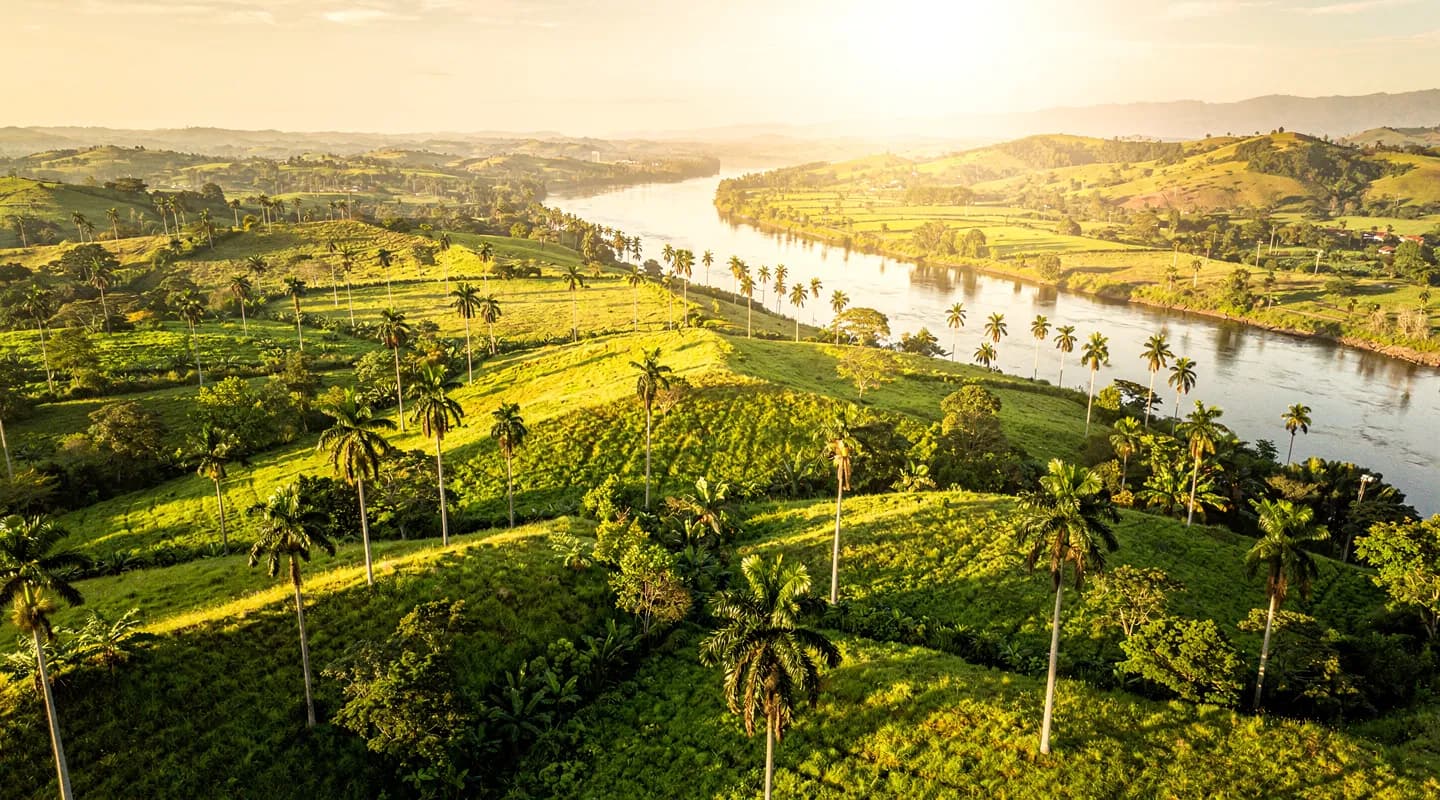
Phoenix Oasis is being planned on land in Rivera, Huila, in a valley already known in Colombia for its thermal springs. This is what the evidence actually supports about heat, cold and rest — and what following it would ask of a building.
The unglamorous truth is that adaptation does not happen during a session. Training is the stimulus; the change happens afterwards, in the hours and days when the body repairs and rebuilds. Everything that supports that process — sleep first, food second, and a long way behind them the pleasant business of hot and cold water — is part of the work rather than a reward for it.
Keeping that hierarchy honest matters, because the pleasant parts are the most photographed and the least decisive. No plunge pool compensates for five hours of sleep. Any place that suggests otherwise is selling something.
Heat is old. Sweat bathing traditions exist across the world, and in the Colombian Andes hot springs have been used for as long as people have lived beside them. The physiology is well described: in a hot environment blood vessels near the skin widen, heart rate rises, and the cardiovascular system does a modest amount of work while the muscles do none.
Long-running observational studies in Finland have reported associations between regular sauna use and cardiovascular outcomes. Association is not proof of cause, and heat is genuinely demanding on the body — anyone with a heart condition, with high or low blood pressure, or who is pregnant should talk to their own doctor before using heat regularly, and that conversation belongs with a clinician rather than with a retreat.
There is one use of heat with unusually clean evidence, and it concerns sleep. Body temperature has to fall for sleep to begin. A warm bath or shower an hour or two before bed pushes blood to the skin, sheds heat, and lets the core temperature drop faster afterwards. That is why a hot soak in the evening is worth more, for most people, than the same soak at midday.
Cold water immersion reliably makes people feel less sore. What it does to actual recovery is more contested, and there is one finding worth knowing about.
Several controlled studies have reported that cold water immersion used immediately after resistance training can blunt some of the long-term gains in strength and muscle size, apparently by damping the very inflammatory signalling the training was meant to provoke. The effect is not universal and the literature is still moving, but the direction is consistent enough that it changes how a serious programme is arranged.
The practical reading is not "cold is bad". It is that cold is a tool with a time signature. Useful when the priority is feeling fresh for tomorrow's session, less obviously useful in the half hour after a heavy lifting block whose whole purpose was to provoke adaptation. Which brings the argument straight back to layout.
If heat, cold and rest are one sequence, the building's job is to make the sequence obvious and the shortcuts hard.
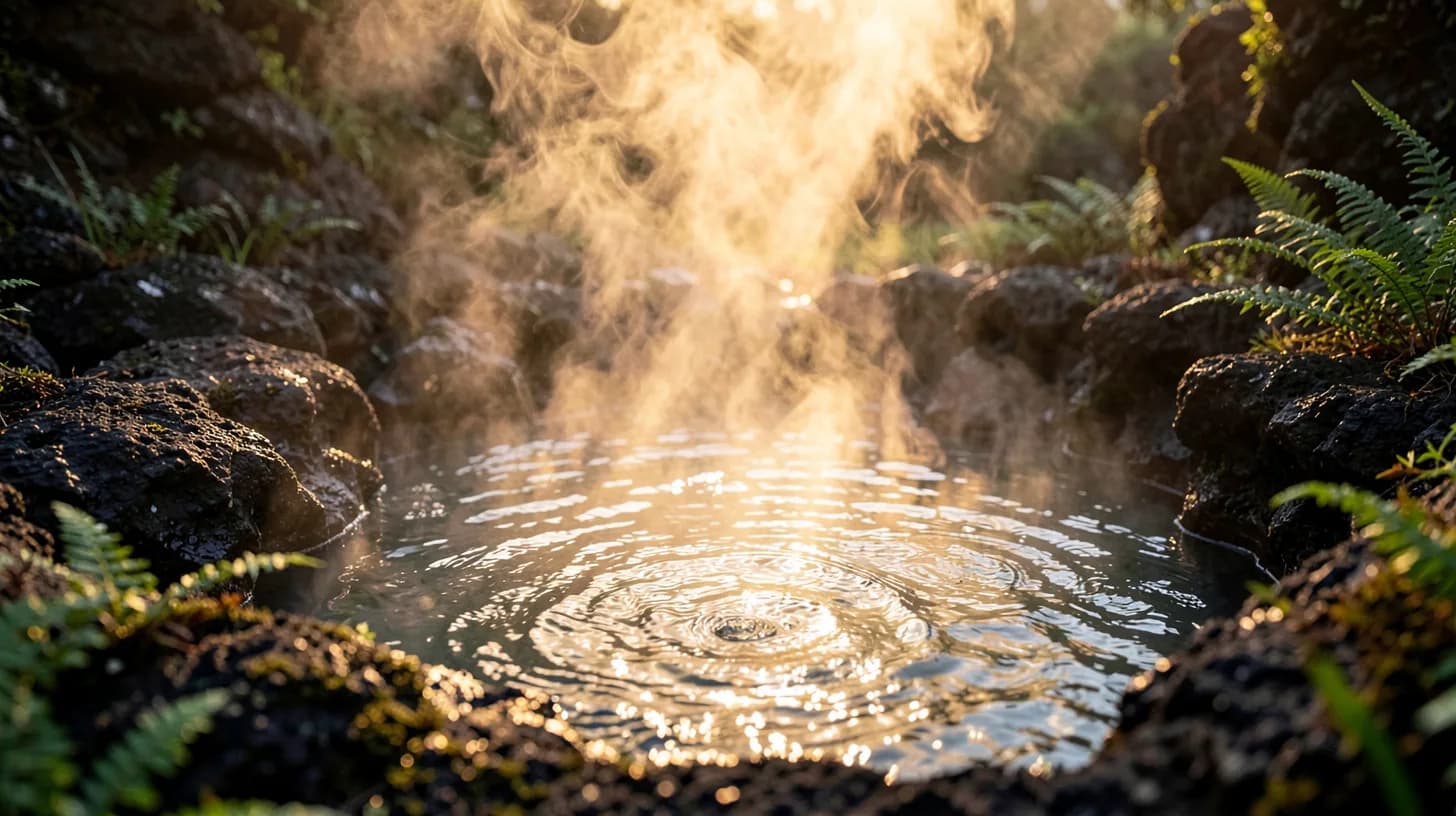
Thermal water is a gift with conditions attached. Mineral-rich water scales, stains and attacks the wrong materials, so fittings and finishes have to be chosen for the specific chemistry rather than from a catalogue. Flow, temperature and hygiene need managing continuously.
Then there is the unromantic list that decides whether the place is safe: surfaces that stay non-slip when wet and soapy, drainage that clears fast on a tropical afternoon, ventilation that moves humid air out rather than into the timber, handrails at every transition, and a clear way for someone who feels unwell in the heat to be seen quickly.
The Oasis is due to open on 30 June 2028. The recovery area is one of the spaces still being designed, and the intention is that it will be planned as a sequence rather than assembled as a list of amenities — with the thermal water of the valley at its centre.
Nothing described here is a protocol, and nothing on this page is medical advice. What you should do with heat and cold depends on your health, your medication and your training, and that is a conversation for your doctor. What a place can promise is that the choices will be laid out clearly, and that doing the sensible thing will be the easiest thing.
You can see what else is planned for the estate on the facilities page.
The OasisThermal water, a climate made for training year-round, and a community worth building with: the founding intentions behind choosing Rivera, Huila, Colombia.
4 min read
 The Oasis
This is a projection, not a timetable. A day-by-day sketch of how a seven-day stay is currently designed to unfold, with the caveats stated plainly up front.
5 min read
 The Oasis
Close to the equator there is no summer and no winter, but there is a calendar. Here is how the year in Huila is expected to shape training, food and the rhythm of a stay.
5 min read