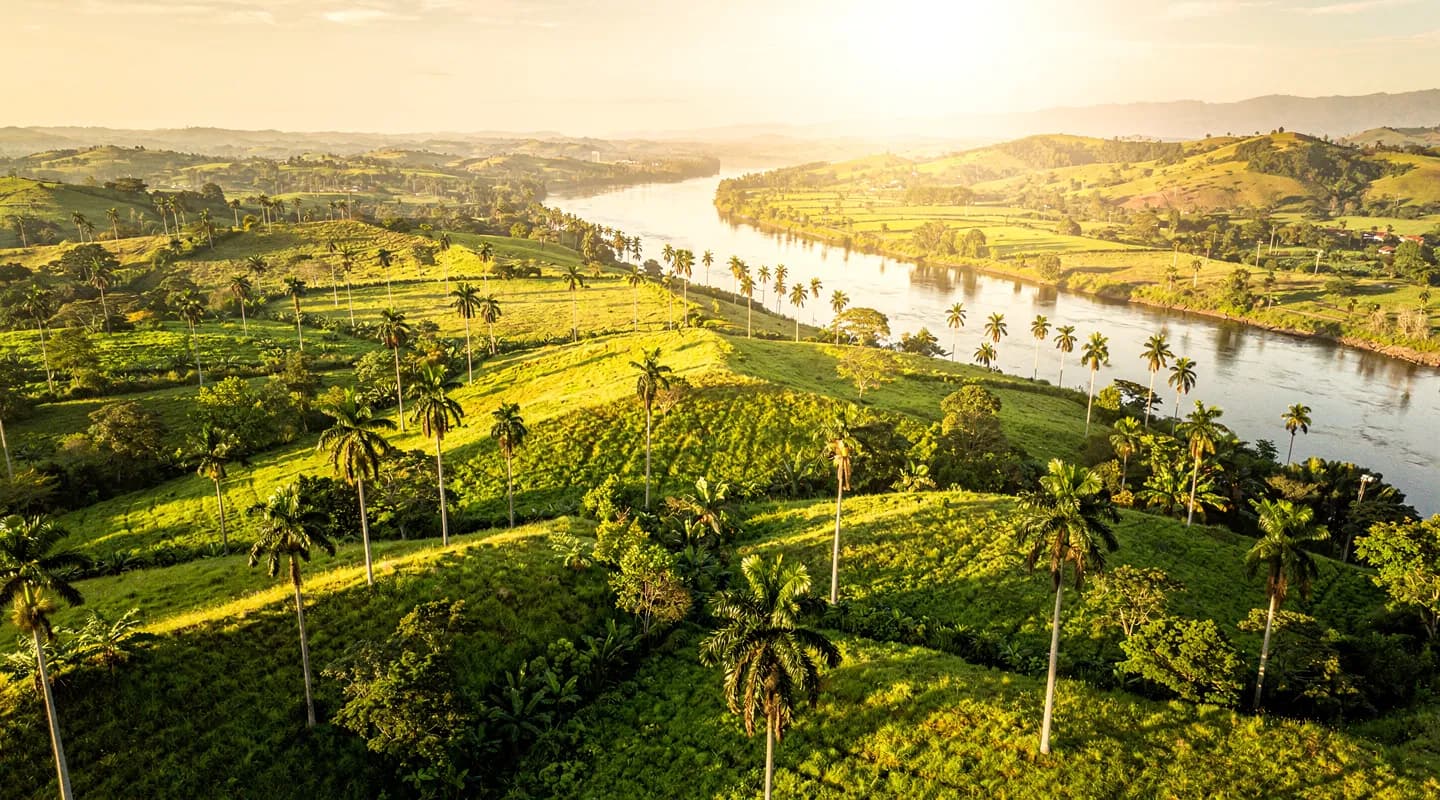
 The Oasis
Why Rivera, Huila: How the Land for Phoenix Oasis Was Chosen
Thermal water, a climate made for training year-round, and a community worth building with: the founding intentions behind choosing Rivera, Huila, Colombia.
4 min read

The Oasis
Phoenix Initiative6 min read
Phoenix Oasis will not open its gates until 30 June 2028. Nobody has arrived yet. No vehicle has yet climbed the last stretch of road with a tired woman in the back seat, watching the green ridges rise where the flat heat of the Magdalena valley ends. And yet the first hour of that arrival is already one of the most carefully drafted pages in the entire programme.
There is a reason for that. Anyone who has ever designed a place people travel to will tell you the same thing: the tone of a stay is set long before the first training session. An arrival is not logistics. It is a threshold — the moment a woman stops being the person she was on the plane and starts being the person she came here to become. Handled carelessly, it costs her a day. Handled well, it gives her one back.
What follows is a description of intent, not of experience. The welcome ritual exists on paper and in rehearsal notes. It will be tested, argued over and rewritten more than once before the first guest ever walks through it.
Design has to begin with the state a woman will actually be in when she arrives. For most international guests the route will run through Bogotá's El Dorado airport, then a short domestic hop to Benito Salas airport in Neiva, the capital of Huila, then roughly half an hour of road south to Rivera. Colombia keeps a single time zone, UTC−5, and does not move its clocks for daylight saving — a small fact with large consequences.
It means a woman flying in from Paris or Madrid will land having lost most of a night, while a woman coming from Miami or Mexico City will land more or less intact. The plan therefore does not treat arrival as one experience but as several, and asks a demanding question of every element: would this still make sense to someone running on four hours of sleep?
The valley itself does part of the work. Neiva sits low and hot on the Magdalena river; Rivera climbs into cooler, greener country in the space of a few kilometres. The temperature drop on that short drive is real, and the design leans on it deliberately. The body registers the change of place before the mind has caught up.
The strongest instinct in hospitality is to offer everything at once — the tour, the schedule, the options, the upgrades. The welcome ritual is being written against that instinct.
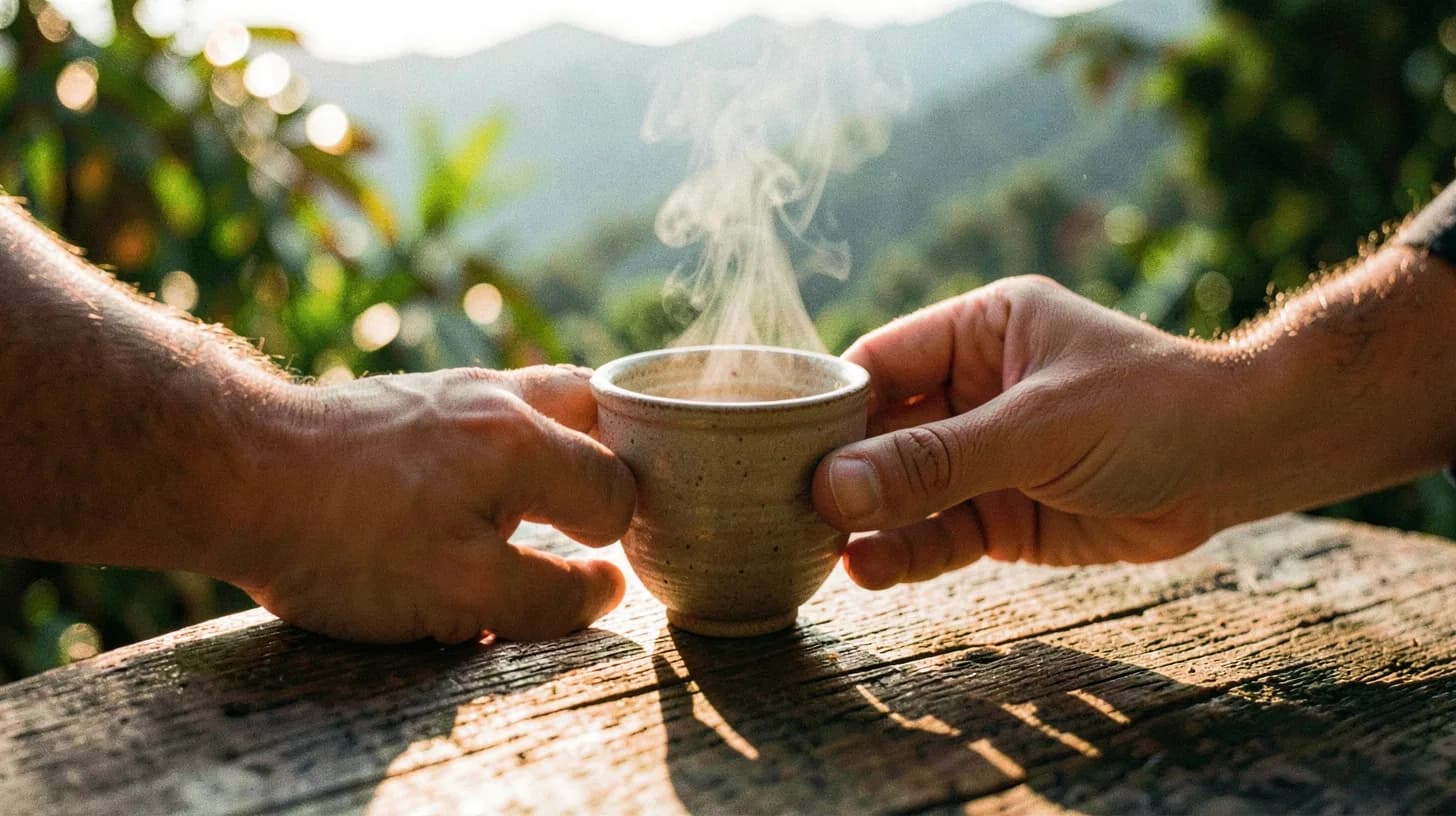
The intention for the first ten minutes is almost aggressively simple. Bags taken. A cool cloth. Somewhere shaded to sit down. One drink, offered rather than chosen, most likely aguapanela — the panela-and-water infusion that is genuinely the everyday hospitality of rural Colombia, served hot or over ice with lime. No forms. No decisions. Nothing that requires a woman to perform competence within a minute of getting out of a car.
Decision fatigue is real, and travel days empty the tank. A woman who has navigated three airports has already made several hundred small choices. The plan is to give her a stretch of time in which the answer to every question is: it is handled.
The sequence of the first hour is deliberately ordered, and the order is not decorative.
That last point matters more than it looks. Group programmes tend to rush women into the group. The design does the opposite: it protects a private half hour first, on the reasoning that a woman who has unpacked and washed her face will meet the others as herself rather than as a traveller.
Somewhere in that first hour, the plan calls for a single unhurried conversation with a member of the programme team. Not a medical consultation — that is not what this is, and anything touching health will be a matter for a guest's own doctor. It is an orientation conversation, and it is designed around three questions rather than a questionnaire: what brought you here, what does your body currently need, and what would you like this stay to protect you from.
That third question is the one the team has spent the most time on. Retreat design tends to assume women arrive wanting to add something. The working assumption here is the opposite — that many arrive wanting relief from something, and that naming it out loud in the first hour is worth more than any amount of later correction.
There will be a temptation, once the centre is running, to improvise the welcome according to who is arriving. The design resists it. The ritual is meant to be the same every time, for every guest, in every season.
Rituals work because they are repeated. A fixed sequence removes uncertainty for the guest and removes improvisation from the team, which is precisely how a welcome stays warm on the fiftieth arrival rather than only the first. Consistency is not coldness. It is the form that reliability takes.
None of this is a promise that it will feel the way it reads. A ritual on paper is a hypothesis, and this one will only be proven by women who have not yet booked, in a building that is not yet finished, on a date still some way ahead.
What can be said now is that the first hour is being treated as seriously as the training blocks and the food. When the doors open on 30 June 2028, the intention is that a woman will not be asked to do anything in her first sixty minutes except arrive. If you want to see how that hour is meant to lead into the rest, the retreat formats are the next thing to read.
The OasisThermal water, a climate made for training year-round, and a community worth building with: the founding intentions behind choosing Rivera, Huila, Colombia.
4 min read
 The Oasis
This is a projection, not a timetable. A day-by-day sketch of how a seven-day stay is currently designed to unfold, with the caveats stated plainly up front.
5 min read
 The Oasis
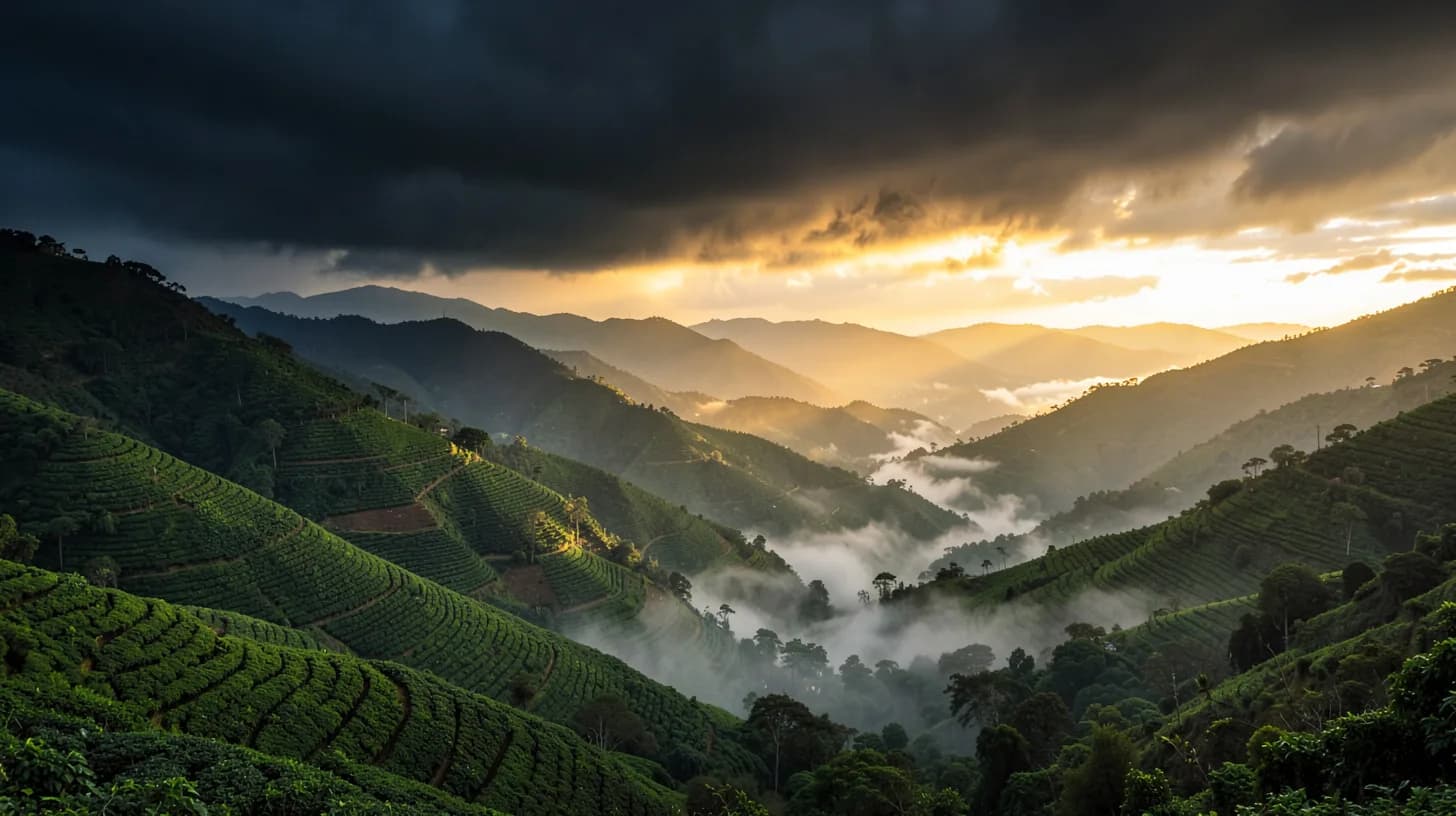
Close to the equator there is no summer and no winter, but there is a calendar. Here is how the year in Huila is expected to shape training, food and the rhythm of a stay.
5 min read