 The Oasis
Why Rivera, Huila: How the Land for Phoenix Oasis Was Chosen
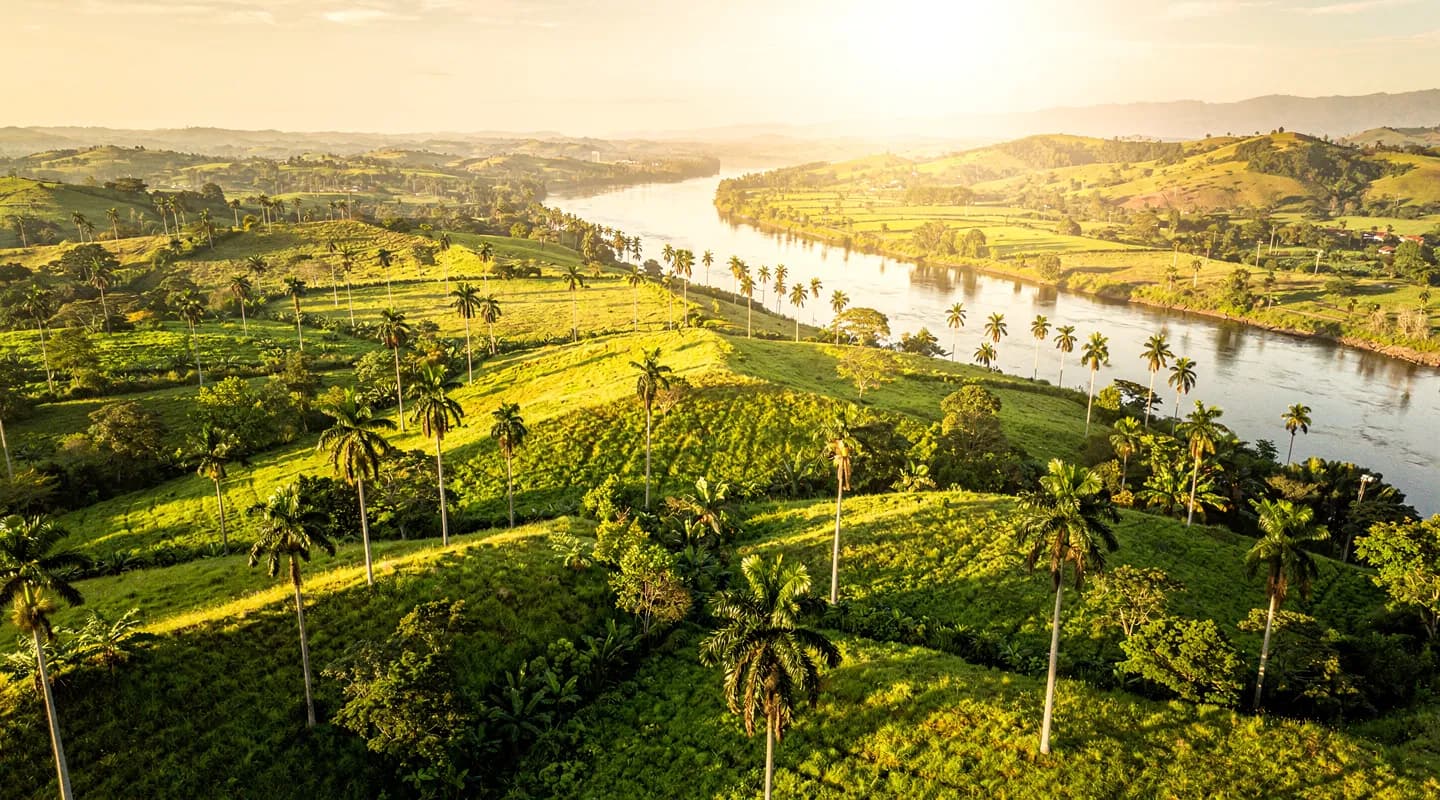
Thermal water, a climate made for training year-round, and a community worth building with: the founding intentions behind choosing Rivera, Huila, Colombia.
4 min read

The Oasis
Phoenix Initiative5 min read
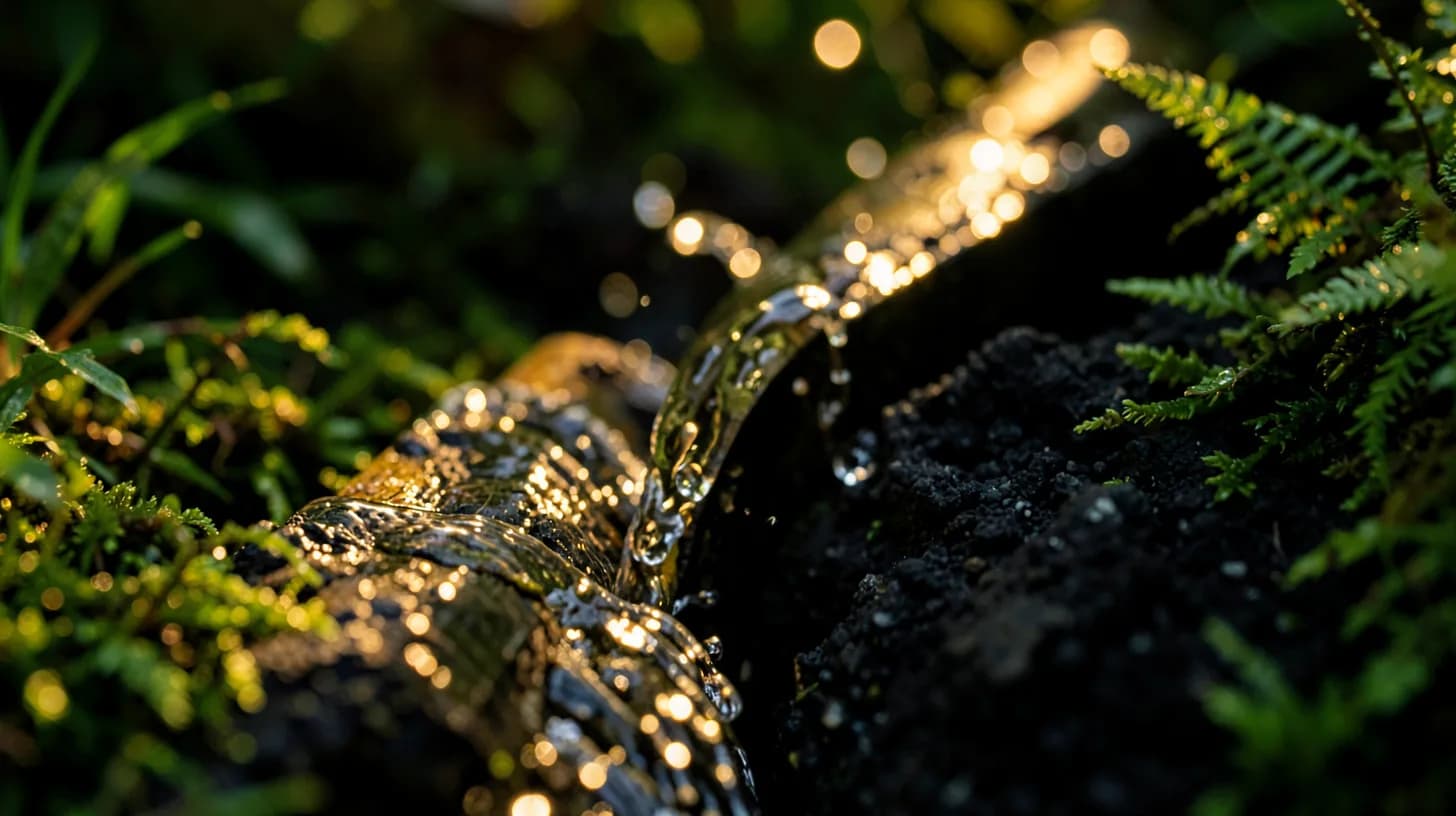
Most places treat water as infrastructure: it arrives in a pipe, it leaves in a drain, and nobody thinks about either. On thirty hectares near Rivera, in the hills of Huila, that arrangement is impossible. The water is already here — six waterfalls, three freshwater springs, one thermal spring and a river you have to cross to reach the rest of the estate — and it is visible, audible and constantly in the way of any plan you might draw.
Phoenix Oasis will open on 30 June 2028, and the site is under construction. Nothing described here is finished. But the questions a project like this has to answer about water are the same everywhere in the Colombian Andes, and they are worth setting out plainly: where does it come from, what is it used for, and where does it go afterwards.
Not on the land. It begins above it.
Rain falling on the eastern slopes above the valley soaks into forested ground, moves slowly downhill through soil and rock, and emerges lower down as springs and streams. In the cloud-forest belt higher up, the vegetation adds a second source by combing moisture directly out of passing fog. This is why watershed protection uphill matters more than any tank installed downhill: a spring is not a source, it is an exit.
The valley's rainfall is bimodal — two wetter stretches and two drier ones each year — which means any water system here must be designed for the dry months rather than the average ones. That single fact governs storage, and storage governs almost everything else.
They are not interchangeable, and treating them as one system would be the first mistake.
This is the part rarely mentioned in retreat brochures, and it is the part that actually determines what can be built.
In Colombia, taking water from a natural source requires a concession from the regional environmental authority — in Huila, the Corporación Autónoma Regional del Alto Magdalena. Discharging treated wastewater requires a separate permit. And the country's forestry protection rules set out protective strips that cannot be cleared: a band along each side of permanent watercourses, and a protected radius around springs.
Those buffers are not a formality. They are the reason a well-planned estate in the Andes has forest along its streams rather than lawns, and they do more for water quality than any filter.
Every litre used has to go somewhere, and in a rural setting there is no municipal sewer to make the question disappear.
The standard toolkit for a site like this is well established: separate greywater from blackwater, treat solids on site, and pass the remaining water through biological treatment before it is returned to the ground. Constructed wetlands — shallow, planted beds that use plants and microorganisms to finish the job — are widely used in tropical Colombia precisely because they work without energy and improve with age. Kitchen grease traps, composting of organic waste, and biodigesters are the usual companions.
The design principle behind all of it is simple: nothing leaves the estate dirtier than it arrived. On a property upstream of neighbours, that is not an aspiration, it is an obligation.
Roof catchment is the cheapest water on any tropical site, and the wet months deliver a great deal of it. Rainwater collection for non-drinking uses — irrigation, cleaning, toilets — reduces pressure on springs exactly when it matters, and pairs naturally with the solar array already planned on the estate. Water and energy tend to be the same conversation: pumping costs power, so a plan that uses gravity wherever the slope allows is quieter, cheaper and more resilient.
The most interesting decision in the plan is that water is not hidden. The living fountain is designed to teach as well as supply; the waterfall trail is a recovery route; the thermal zone, if validated, would make bathing part of the daily rhythm rather than an extra.
For a guest arriving from a city, that visibility does something a lecture cannot. When you can see the spring your drinking water comes from and the wetland your shower water goes into, the abstraction disappears. You start turning the tap off. Nobody has to ask.
None of this is built. Some elements are fixed on the masterplan, others are proposals awaiting validation, and the permits and engineering that govern water in rural Colombia take the time they take.
What is decided is the priority. Land regeneration is one of the three pillars of the Phoenix Initiative Colombia foundation, and on a property defined by springs and waterfalls, regeneration is mostly a water word. The centre opens on 30 June 2028. The water was here first, and will still be running long after every building on the plan has been finished, weathered and repaired.
More on the region in the Journal, on the land in the foundation page, and on the future stays on the retreats page.
The OasisThermal water, a climate made for training year-round, and a community worth building with: the founding intentions behind choosing Rivera, Huila, Colombia.
4 min read
 The Oasis
This is a projection, not a timetable. A day-by-day sketch of how a seven-day stay is currently designed to unfold, with the caveats stated plainly up front.
5 min read
 The Oasis
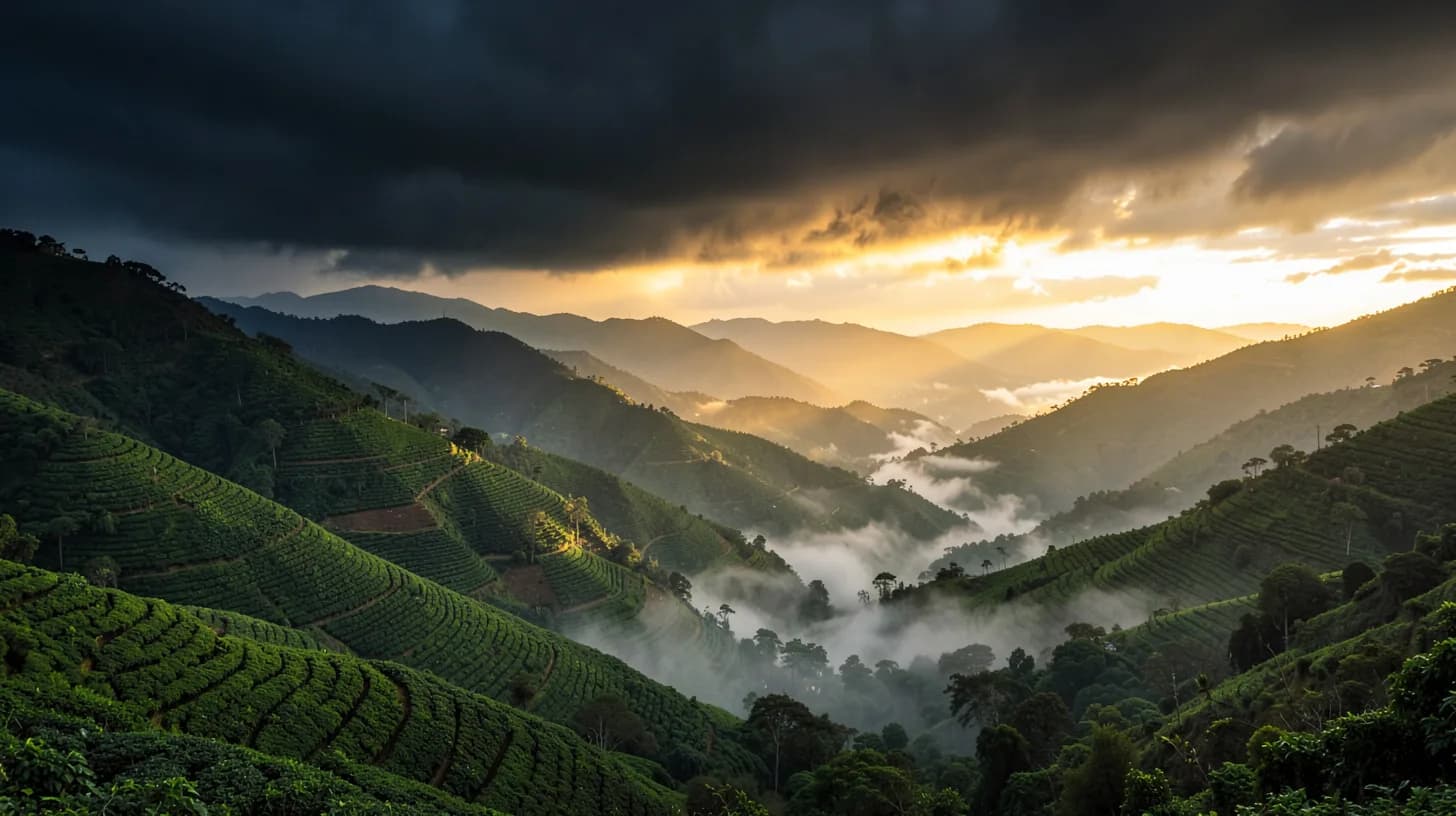
Close to the equator there is no summer and no winter, but there is a calendar. Here is how the year in Huila is expected to shape training, food and the rhythm of a stay.
5 min read